World Leading Coal Producer: Boom Or Coming Bust?
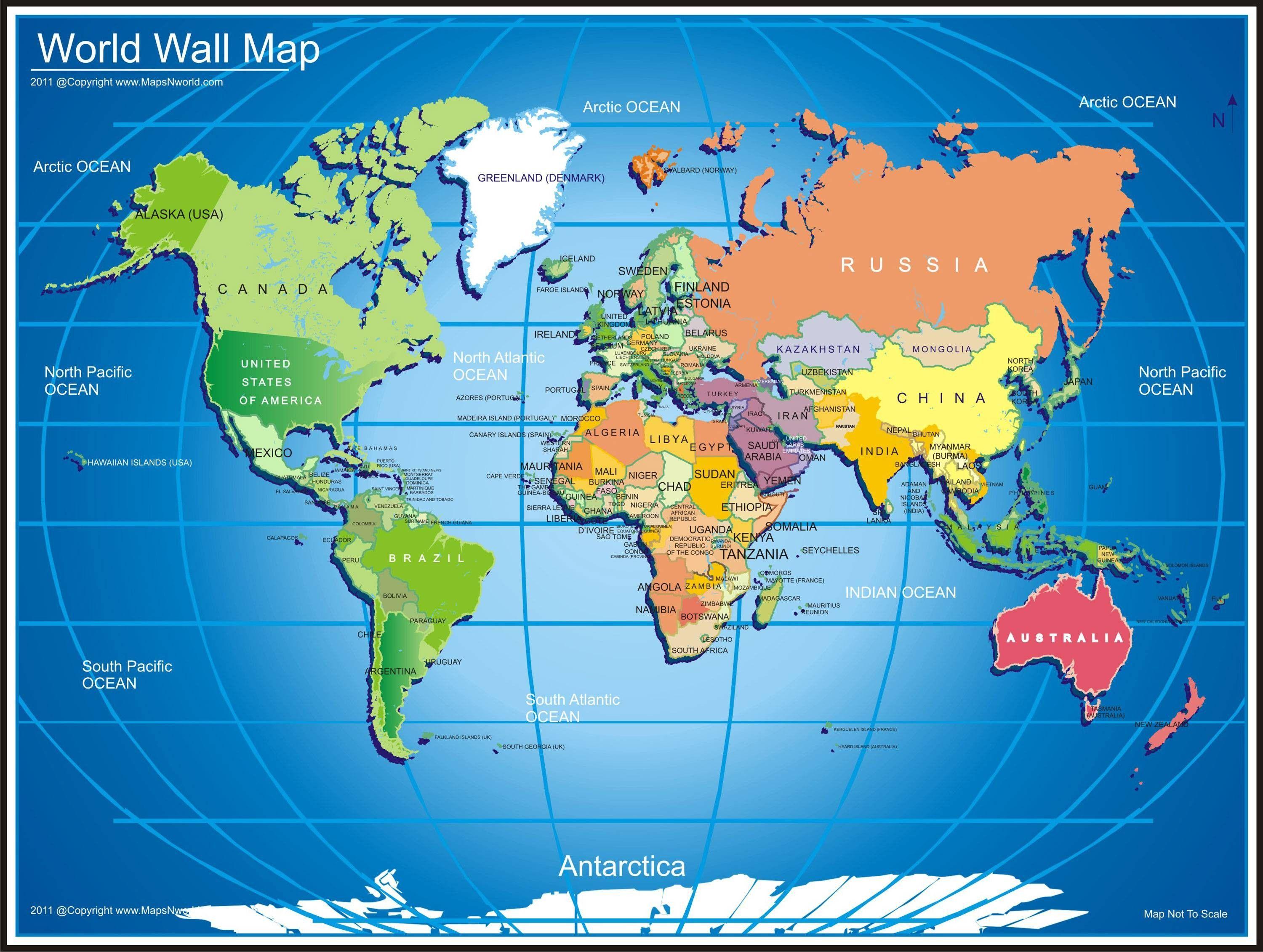
China is the world leading coal producer, accounting for more than half of global coal output as of 2025, with annual production exceeding 4.5 billion metric tons. Its dominance is driven by vast domestic reserves, extensive mining infrastructure, and continued reliance on coal for electricity generation and industrial activity, despite increasing investment in renewable energy.
Global Coal Production Landscape
The global coal industry remains heavily concentrated, with a handful of countries contributing the majority of supply. According to estimates from the International Energy Agency (IEA) in late 2024, global coal production reached approximately 8.9 billion metric tons, with Asia-Pacific mining regions dominating both output and consumption.

- China produces over 50% of global coal supply annually.
- India ranks second, producing roughly 1 billion metric tons per year.
- Indonesia is the leading exporter, supplying major Asian markets.
- The United States remains a top producer but has reduced output due to energy transition policies.
- Australia is a key exporter of high-grade metallurgical coal.
These production dynamics reflect not only resource availability but also energy policy decisions, industrial demand, and geopolitical considerations influencing global energy markets.
Top Coal-Producing Countries
The hierarchy of coal producers has remained relatively stable over the past decade, though output levels fluctuate due to environmental regulations, market demand, and technological shifts. The table below illustrates estimated production levels for 2025.
| Country | Annual Production (Million Metric Tons) | Global Share (%) | Primary Use |
|---|---|---|---|
| China | 4500 | 52% | Power, steel |
| India | 1000 | 11% | Power |
| Indonesia | 775 | 9% | Exports |
| United States | 550 | 6% | Power, exports |
| Australia | 500 | 5% | Exports, steel |
This distribution highlights how coal production leadership is not solely about domestic use but also export capacity and energy strategy.
Why China Leads Coal Production
China's position as the largest coal producer is rooted in structural and economic factors that continue to reinforce its dominance. The country relies on coal for approximately 55-60% of its electricity generation, according to 2025 estimates from China's National Energy Administration.
- Massive coal reserves located in provinces like Shanxi and Inner Mongolia.
- Highly developed mining infrastructure supported by state-owned enterprises.
- Strong industrial demand from steel, cement, and manufacturing sectors.
- Energy security concerns that prioritize domestic fuel sources.
- Government policies balancing economic growth with gradual energy transition.
As one energy analyst from Beijing-based consultancy SinoEnergy stated in March 2025,
"Coal remains the backbone of China's energy system, even as renewables expand at record pace."This underscores the continued relevance of coal-dependent economies in global energy discussions.
The Environmental Debate
The dominance of coal production has sparked intense global debate, particularly regarding climate change. Coal combustion is responsible for roughly 40% of global CO₂ emissions, making it the single largest contributor to greenhouse gases, according to the Global Carbon Project's 2024 report. This has placed carbon-intensive industries under increasing scrutiny.
China, while leading in coal production, is also the world's largest investor in renewable energy, installing over 300 gigawatts of solar and wind capacity in 2024 alone. This dual approach reflects a complex balancing act between economic growth and environmental responsibility within energy transition policies.
Economic Importance of Coal
Coal remains a critical economic driver in many countries, providing employment, export revenue, and energy stability. In Indonesia, for example, coal exports generated over $40 billion in revenue in 2024, supporting national development and infrastructure projects tied to resource-driven economies.
Similarly, in India, coal fuels nearly 70% of electricity generation, making it indispensable for powering urbanization and industrialization. The continued reliance on coal highlights the challenges of transitioning to cleaner energy sources without disrupting economic growth trajectories.
Future Outlook for Coal Production
Despite global climate commitments, coal production is expected to remain resilient in the near term. The IEA projects that global coal demand will plateau rather than sharply decline before 2030, driven by demand in emerging economies and ongoing investments in thermal power infrastructure.
- Coal demand in Asia is expected to remain stable through 2030.
- Developed countries are gradually phasing out coal-fired power plants.
- Carbon capture technologies may extend coal's viability.
- Renewable energy growth is accelerating but not yet fully replacing coal.
This outlook suggests that while coal's long-term future is uncertain, its short-term role remains significant within global energy systems.
Geopolitical Implications
Coal production also carries geopolitical weight, influencing trade relationships and energy security strategies. Countries like Australia and Indonesia leverage coal exports to strengthen ties with major importers such as China, India, and Japan, shaping international trade dynamics.
Meanwhile, energy independence concerns have prompted nations to maintain or expand domestic coal production, even as they commit to emissions reductions. This tension underscores the complexity of aligning climate goals with national energy priorities.
Frequently Asked Questions
Key concerns and solutions for World Leading Coal Producer Sparks A Heated Debate
Which country is the largest coal producer in the world?
China is the largest coal producer, accounting for more than half of global output with over 4.5 billion metric tons produced annually.
Why does China produce so much coal?
China produces large amounts of coal due to its vast reserves, heavy industrial demand, and reliance on coal for electricity generation and energy security.
Who are the top five coal-producing countries?
The top five coal producers are China, India, Indonesia, the United States, and Australia.
Is coal production increasing globally?
Global coal production has stabilized in recent years, with growth in developing countries offsetting declines in developed economies.
What are the environmental impacts of coal production?
Coal production and consumption contribute significantly to greenhouse gas emissions, air pollution, and environmental degradation, making it a major concern in climate change discussions.
Will coal remain important in the future?
Coal is expected to remain important in the short term, particularly in developing economies, but its long-term role may decline as renewable energy expands and climate policies tighten.