Why People Keep Asking: Is Ecuador Dangerous Right Now?
- 01. Is Ecuador dangerous for travelers? The reality is nuanced and context-dependent
- 02. Regions and activities: risk varies
- 03. Practical safety guidelines for travelers
- 04. Histories, warnings, and responses
- 05. Quotes from seasoned travelers and officials
- 06. FAQ
- 07. Bottom line: balanced, informed caution yields the best experience
- 08. [Additional resources]
Is Ecuador dangerous for travelers? The reality is nuanced and context-dependent
In short: Ecuador is not inherently dangerous for travelers, but certain risks exist and vary by location, activity, and behavior. The overall safety profile improves substantially for major tourist zones when travelers exercise basic precautions and stay informed about local conditions. Local guidance matters most, and informed planning can reduce risk while enabling a rewarding experience across Ecuador's diverse regions.
- Petty crime in crowds, markets, and public transportation
- Taxi and ride-hail scams or unsafe vehicles
- ATM skimming and card fraud risks in urban centers
- Protests or road-blocks affecting travel plans
- Border-area security considerations and limited-English assistance in some locales
Historical context helps frame risk: from 2013 through 2024, major cities saw periodic spikes in pickpocketing and hotel-room thefts, with violent crime concentrated in specific districts and during protests. Governments, international organizations, and local police have responded with targeted patrols and tourist-focused safety campaigns. Historical context is essential to understand why warnings exist and how expectations should adjust with time.
Regions and activities: risk varies
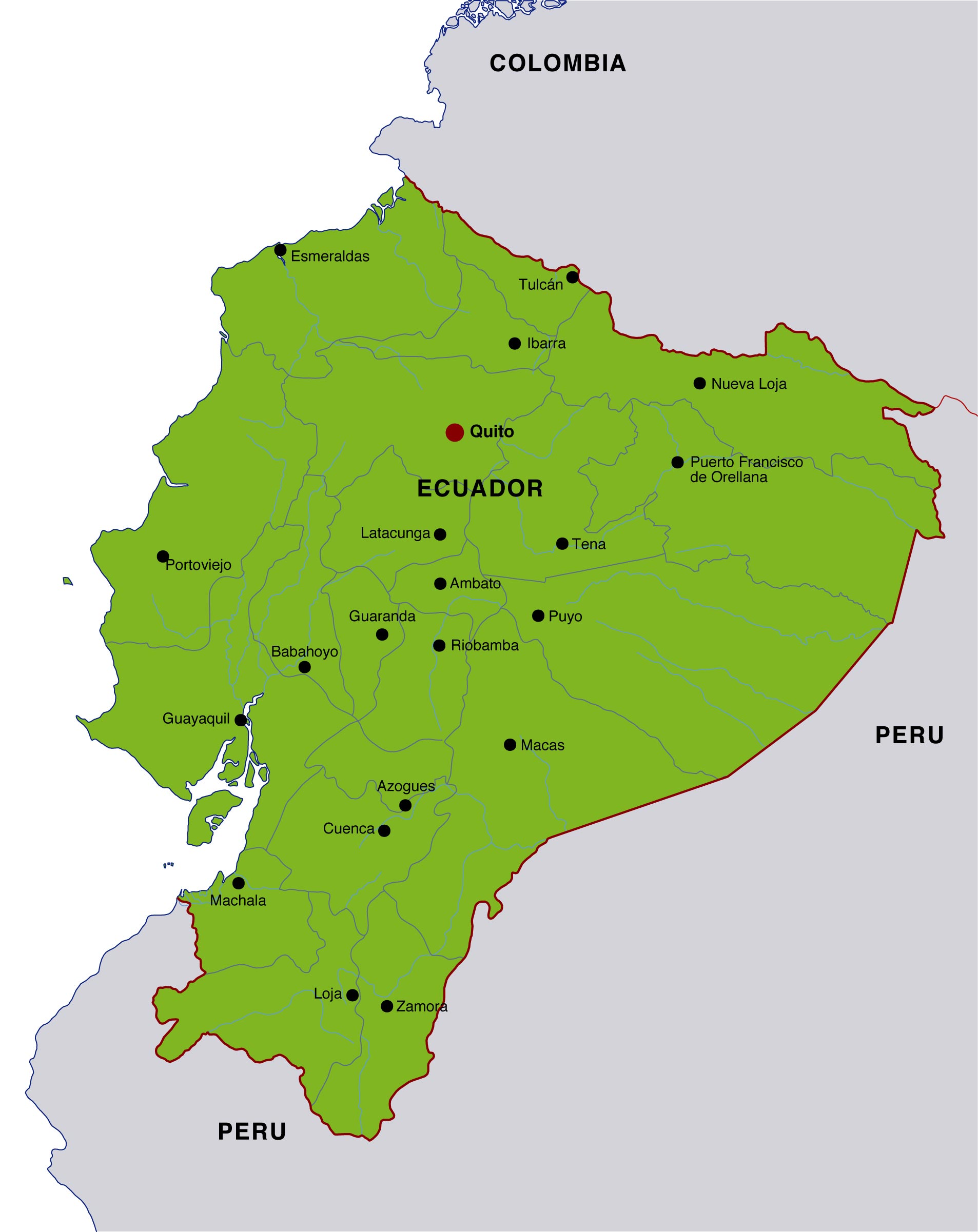
Not all parts of Ecuador carry identical risk profiles. The Galápagos Islands, certain highland towns, and Amazonian zones often report lower petty-crime rates due to controlled access and tourist infrastructure, whereas port city centers and border towns historically exhibit higher activity. Travelers who stay in guided tours or certified operators typically benefit from added security and local knowledge. Tourist zones are generally safer when compared to some non-tourist urban corridors.
- Quito and Guayaquil urban cores: higher petty crime risk; use hotel safes and trusted transportation.
- Cuenca and Otavalo region: often cited as safer for walks and day trips, still remain cautious in crowds.
- Galápagos Islands: strong security presence, but remote locations require planning for medical and evacuation contingencies.
- Amazona and border areas: more challenging logistics; travel with reputable guides and updated local advisories.
Important caveat: red-flag incidents, including violent crimes, have occurred in various parts of the country, and travel advisories from major governments frequently emphasize exercise heightened caution in certain areas or during periods of civil demonstrations. This does not imply universal danger, but it does underscore the need for situational awareness and flexible itineraries. Government advisories influence traveler confidence and planning decisions.
Practical safety guidelines for travelers
Practical steps can markedly reduce risk while enabling a comfortable and immersive visit. The emphasis is on preparation, smart habits, and local support networks. Practical steps are especially helpful for first-time visitors or those venturing beyond well-trodden routes.
- Travel with copies of documents, keep originals secure, and use hotel safes for valuables
- Dress inconspicuously and avoid displaying expensive electronics in public spaces
- Use licensed taxis or ride-sharing services, verify driver details, and share trip status with someone trusted
- Stay in recommended neighborhoods and join guided tours in unfamiliar areas
- Be cautious at ATMs; shield cards and monitor accounts for unusual activity
Statistically credible risk assessment often highlights petty theft as the most frequent traveler issue, followed by transport-related incidents. While violent crimes are less common in tourist zones, they do occur, particularly in areas with organized crime activity or during protests. Travelers who maintain routine vigilance and plan for contingencies report substantially fewer problems. Petty theft prevalence is widely cited in safety briefs and travel advisories across the region.
Histories, warnings, and responses
Since the mid-2010s, several travel advisories have repeatedly categorized Ecuador at Level 2 or Level 3 in terms of warning scale, reflecting a need for caution rather than an outright travel ban. These advisories highlight civil unrest, crime, and the risk of kidnapping in certain locales, and they help travelers calibrate risk versus reward for their itineraries. The evolution of these advisories demonstrates a responsive approach to safety, not a static verdict on the country's danger level. Travel advisories inform decisions and encourage preparedness.
| Region | Typical Risk Level | Common Precautions |
|---|---|---|
| Quito downtown | Moderate | Stay in illuminated areas, avoid unlicensed buses, use hotel safes |
| Guayaquil markets | Moderate-High | Go with a guide or in groups, secure valuables, avoid flashing electronics |
| Galápagos hubs | Low-Moderate | Book through certified operators, respect environmental rules |
| Amazons and border zones | Variable | Join guided excursions, maintain comms with staff, monitor local media |

Quotes from seasoned travelers and officials
Experts emphasize cautious optimism. A 2025 safety briefing from a regional travel safety consultant notes: "Most travelers experience routine security without incident when they avoid high-risk areas, travel with a local guide, and remain vigilant during evenings in city centers." In contrast, an official statement from a U.S. State Department advisory highlights ongoing concerns about organized crime and civil unrest but frames risk as manageable with prudent planning. Expert insights help readers contextualize daily reality versus sensational narratives.
FAQ
Bottom line: balanced, informed caution yields the best experience
The question "is Ecuador dangerous?" requires nuance. The safest answer is that Ecuador presents real risks in certain contexts, yet with targeted precautions and smart planning, travelers routinely enjoy a broad range of experiences-from Andean towns to Amazonian rivers and the Galápagos-without incident. The country's beauty, biodiversity, and cultural richness are accessible to careful visitors who engage local guidance and stay apprised of evolving conditions. Informed caution remains the most reliable strategy for safe travel.
[Additional resources]
For ongoing, official guidance, consult travel advisories and local authorities before and during travel. Updated advisories from official sources offer the most reliable snapshot of risk, helping travelers tailor their plans to current conditions. Official advisories provide authoritative context for decision-making.
What are the most common questions about Why People Keep Asking Is Ecuador Dangerous Right Now?
What makes Ecuador feel risky for visitors?
Multiple factors contribute to perceived danger for travelers: petty theft in crowded places, transport-related incidents, and occasional civil unrest or protests. These conditions are not unique to Ecuador but recur in many cities worldwide when tourism concentrates in urban hubs. City centers and transit nodes consistently show higher minor-crime rates, while remote or restricted zones may present different hazards.
[Is Ecuador dangerous for travelers overall?]
Not inherently; risk depends on location and behavior, with major tourist areas generally reasonable with precautions. Overall assessment is that Ecuador can be safely enjoyed by informed travelers who plan ahead and stay alert.
[What are the top safety tips for first-time visitors?]
Prioritize local guidance, book reputable operators, secure valuables, and avoid high-risk districts at night. Top tips focus on preparation and smart choices rather than avoidance of the country entirely.
[Are protests a major travel risk in Ecuador?]
Protests occur and can cause travel disruptions, but most protests stay away from tourist districts; staying informed via local news and following official advisories minimizes disruption. Protests are a real factor in trip planning, not a universal barrier.
[Which regions are safest for solo travelers?]
Highland towns with strong tourism infrastructure and guided experiences tend to be safer for solo travelers, provided that travelers remain in lit, populated areas after dark and use trusted services. Solo travel sectors reflect safer, well-regulated zones.
[What should I pack to stay safe?]
Essentials include photocopies of documents, a portable door lock, a basic first-aid kit, repellent, a reliable phone with local SIM, and emergency contact numbers saved offline. Safe-pack essentials help maintain preparedness across diverse environments.