Which Countries Did Simon Bolivar Help Liberate Shocks Many
- 01. Countries Liberated by Simón Bolívar
- 02. Timeline of Bolívar's Liberation Campaigns
- 03. Detailed Country Breakdown
- 04. Military Strategy and Leadership
- 05. Gran Colombia: Bolívar's Political Vision
- 06. Why Bolivia Was Named After Bolívar
- 07. Economic and Social Impact of Liberation
- 08. Frequently Asked Questions
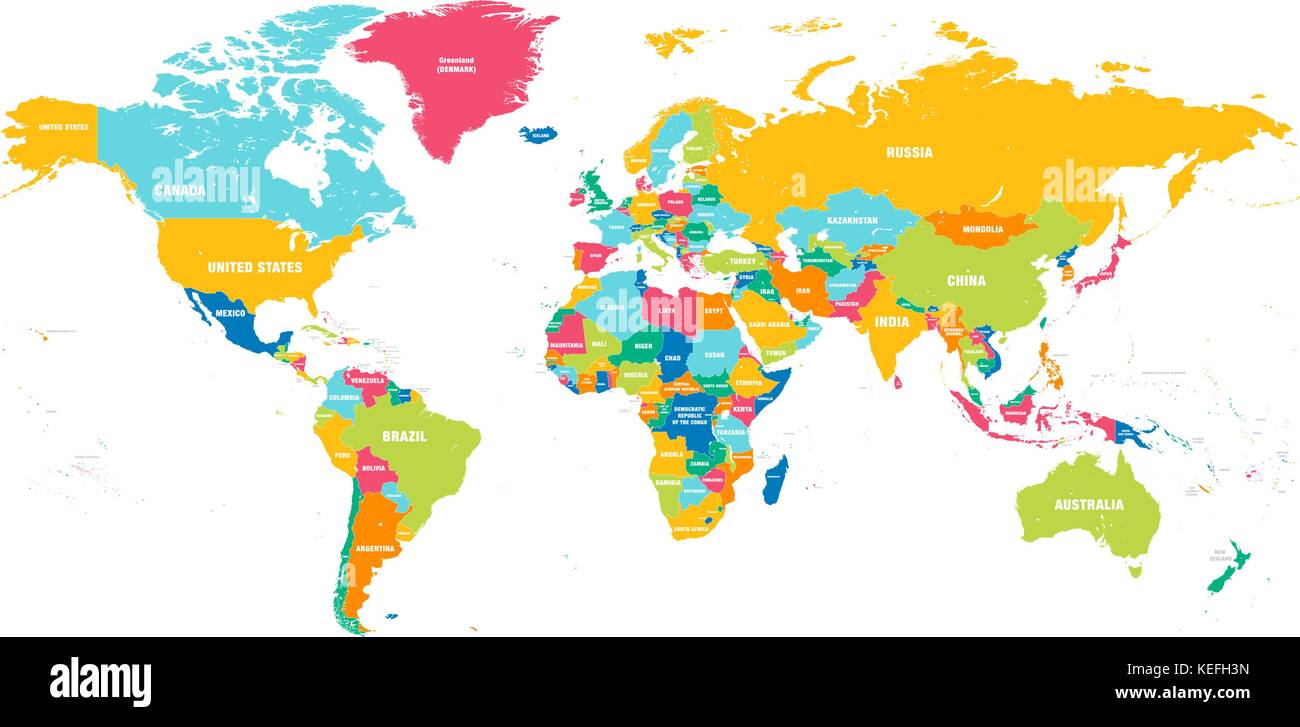
Simon Bolívar helped liberate six modern countries from Spanish rule during the early 19th century: Venezuela, Colombia, Ecuador, Peru, Bolivia, and Panama. These territories formed the core of his revolutionary campaigns between 1810 and 1825, making him one of the most influential leaders in Latin American independence movements.
Countries Liberated by Simón Bolívar
The scope of Bolívar's campaigns stretched across northern and western South America, targeting key Spanish strongholds and coordinating multi-national liberation efforts under the vision of a unified region often referred to as Gran Colombia. His leadership combined military strategy with political ambition, creating independent republics from former colonial provinces.
- Venezuela - Bolívar's birthplace and the starting point of his revolutionary activities.
- Colombia - Then known as New Granada, a strategic center of Spanish authority.
- Ecuador - Liberated as part of Bolívar's southern campaign alongside Antonio José de Sucre.
- Peru - A major Spanish stronghold where Bolívar led decisive military actions.
- Bolivia - Named in his honor after gaining independence in 1825.
- Panama - Then part of Gran Colombia, liberated from Spanish control in 1821.
Timeline of Bolívar's Liberation Campaigns
Bolívar's campaigns unfolded over more than a decade, with key victories reshaping the political landscape of South America. The Latin American independence timeline highlights how momentum built through coordinated uprisings and decisive battles.
- 1810 - Initial uprisings begin in Venezuela against Spanish rule.
- 1813 - Bolívar launches the Admirable Campaign, briefly restoring the Venezuelan republic.
- 1819 - Victory at the Battle of Boyacá secures independence for New Granada (Colombia).
- 1821 - Battle of Carabobo ensures Venezuelan independence.
- 1822 - Liberation of Ecuador following the Battle of Pichincha.
- 1824 - Battle of Junín and Battle of Ayacucho secure Peru's independence.
- 1825 - Bolivia declared independent and named after Bolívar.
Detailed Country Breakdown
Each nation Bolívar helped liberate had distinct strategic importance, contributing to the broader collapse of Spanish authority across South America. The regional independence movements were interconnected, relying on shared leadership and coordinated campaigns.
| Country | Year of Liberation | Key Battle | Strategic Importance |
|---|---|---|---|
| Venezuela | 1821 | Battle of Carabobo | Birthplace of Bolívar and revolutionary base |
| Colombia | 1819 | Battle of Boyacá | Administrative center of Spanish rule |
| Ecuador | 1822 | Battle of Pichincha | Gateway to southern campaigns |
| Peru | 1824 | Battle of Ayacucho | Final major Spanish stronghold |
| Bolivia | 1825 | Post-Ayacucho consolidation | Symbolic new republic |
| Panama | 1821 | Peaceful declaration | Strategic trade corridor |
Military Strategy and Leadership
Bolívar's success was rooted in adaptive warfare, combining guerrilla tactics with conventional battles. His forces often marched thousands of kilometers across difficult terrain, including the Andes Mountains, where in 1819 he led approximately 2,500 troops across high-altitude passes exceeding 13,000 feet. This bold maneuver directly enabled the victory at Boyacá, a turning point in the South American independence wars.
Bolívar also relied heavily on alliances, particularly with leaders like Antonio José de Sucre. Sucre's victory at the Battle of Ayacucho in December 1824 effectively ended Spanish military presence in mainland South America. Bolívar once stated in an 1820 letter, "We are not Europeans; we are not Indians; we are a species midway between the legitimate owners of this country and the Spanish usurpers." This quote reflects his ideological framing of independence as both political and cultural liberation.
Gran Colombia: Bolívar's Political Vision
Beyond military victories, Bolívar aimed to unify liberated territories into a single political entity known as Gran Colombia, encompassing modern-day Colombia, Venezuela, Ecuador, and Panama. Established in 1819, this federation represented one of the earliest large-scale attempts at regional integration in the post-colonial Americas. At its peak, Gran Colombia covered over 2.5 million square kilometers and governed roughly 3 million people.
However, internal divisions and regional rivalries led to its dissolution by 1831. Despite its collapse, Gran Colombia remains a significant example of Bolívar's ambition to create a unified Latin American identity capable of resisting foreign influence.
Why Bolivia Was Named After Bolívar
Bolivia stands out among liberated countries because it was directly named in honor of Simón Bolívar. After independence was secured in 1825, local leaders chose the name to recognize his role in defeating Spanish forces and shaping the new republic's constitution. The naming reflects the symbolic weight of Bolívar's influence within the independence legacy narrative.
Interestingly, Bolívar initially hesitated to accept this honor, expressing concerns about excessive personal glorification. Nevertheless, the name persisted and remains one of the clearest indicators of his lasting impact on the continent.
Economic and Social Impact of Liberation
The liberation of these countries did not immediately result in stability. Economic disruption was widespread, with trade networks collapsing and agricultural output declining by an estimated 30-50% in some regions between 1810 and 1825. The newly independent states faced challenges such as debt, political fragmentation, and social inequality, illustrating the complexities of transitioning from colonial rule within the early republican economies.
Despite these challenges, independence opened the door to self-governance and the gradual development of national identities. Bolívar's campaigns accelerated the decline of European colonial dominance in the Americas and influenced subsequent independence movements globally.
Frequently Asked Questions
What are the most common questions about Which Countries Did Simon Bolivar Help Liberate Shocks Many?
How many countries did Simón Bolívar liberate?
Simón Bolívar is credited with helping liberate six modern countries: Venezuela, Colombia, Ecuador, Peru, Bolivia, and Panama. These territories were central to his military campaigns between 1810 and 1825.
Which country was named after Simón Bolívar?
Bolivia was named after Simón Bolívar in 1825 to honor his leadership in securing independence from Spanish rule. It remains the only country directly named after him.
What was Bolívar's most important victory?
The Battle of Boyacá in 1819 is widely considered one of Bolívar's most important victories because it secured independence for New Granada (modern Colombia) and shifted momentum in favor of revolutionary forces.
Did Bolívar unify all liberated countries?
Bolívar attempted to unify several liberated countries under Gran Colombia, but the federation dissolved by 1831 due to political disagreements and regional tensions.
Why is Simón Bolívar called "El Libertador"?
He is called "El Libertador" because of his central role in freeing multiple South American countries from Spanish colonial rule, making him a defining figure in the continent's independence movements.
