Which Countries Did Bolivar Help Liberate From Spanish Rule Shock
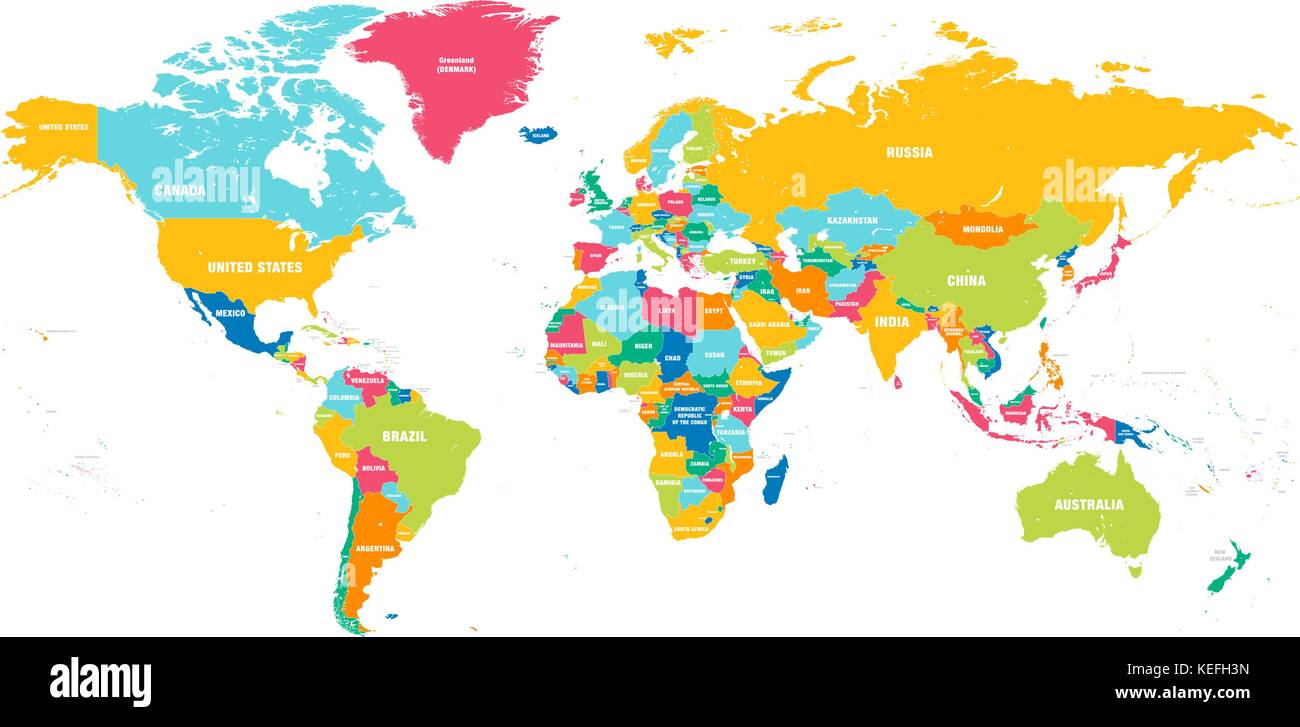
Simón Bolívar helped liberate six key territories from Spanish rule in the early 19th century: Venezuela, Colombia (then part of Gran Colombia), Ecuador, Peru, Panama, and Bolivia (named in his honor in 1825). His military campaigns between 1810 and 1826 dismantled Spanish colonial authority across much of northern and western South America, making him one of the most influential figures in Latin American independence history.
Countries Bolívar Helped Liberate
The liberation efforts of Simón Bolívar unfolded across multiple regions that were once part of the Spanish Empire. His campaigns were not isolated rebellions but interconnected military and political movements aimed at dismantling colonial rule and establishing independent republics.

- Venezuela - Bolívar's homeland and the starting point of his revolutionary efforts (independence declared in 1811).
- Colombia - Central to the creation of Gran Colombia after the decisive Battle of Boyacá in 1819.
- Ecuador - Secured after the Battle of Pichincha in 1822 under Bolívar's command structure.
- Peru - Liberated through joint campaigns culminating in the Battle of Junín (1824).
- Bolivia - Established as an independent republic in 1825 and named after Bolívar.
- Panama - Part of Gran Colombia after independence from Spain in 1821.
Chronology of Liberation Campaigns
The timeline of independence wars led by Bolívar reveals a sustained, multi-decade struggle marked by setbacks and decisive victories. His campaigns spanned diverse terrains, from the Andes mountains to tropical plains.
- 1810-1812: Early revolutions begin in Venezuela; initial republic collapses.
- 1813: Bolívar launches the Admirable Campaign, briefly restoring independence in Venezuela.
- 1819: Victory at the Battle of Boyacá secures independence for New Granada (modern Colombia).
- 1821: Battle of Carabobo ensures Venezuela's independence.
- 1822: Ecuador liberated after the Battle of Pichincha.
- 1824: Final victories in Peru at Junín and Ayacucho (led by Antonio José de Sucre under Bolívar's command).
- 1825: Bolivia officially becomes an independent republic.
Key Battles and Strategic Impact
The success of Bolívar's campaigns depended heavily on decisive military victories that dismantled Spanish strongholds. These battles often involved difficult logistics, including crossing the Andes at altitudes exceeding 13,000 feet.
| Battle | Date | Location | Outcome |
|---|---|---|---|
| Boyacá | August 7, 1819 | Colombia | Secured independence of New Granada |
| Carabobo | June 24, 1821 | Venezuela | Confirmed Venezuelan independence |
| Pichincha | May 24, 1822 | Ecuador | Freed Quito region from Spain |
| Junín | August 6, 1824 | Peru | Boosted patriot morale before final victory |
| Ayacucho | December 9, 1824 | Peru | Ended Spanish rule in South America |
The Creation of Gran Colombia
One of Bolívar's most ambitious political projects was the formation of Gran Colombia, a unified republic that included Venezuela, Colombia, Ecuador, and Panama between 1819 and 1831. Bolívar envisioned this union as a powerful counterbalance to European and North American influence.
At its peak, Gran Colombia covered over 2.5 million square kilometers and governed approximately 3 million people. Bolívar served as its president, advocating for centralized authority to maintain stability in the newly liberated territories.
Bolivia: A Nation Named After Bolívar
The country of Bolivia stands as the clearest tribute to Bolívar's influence. Originally part of Upper Peru, it gained independence in 1825 after Spanish forces were defeated. The nation was named after Bolívar, and he helped draft its first constitution.
Bolívar's vision for Bolivian governance included a strong executive branch and lifetime presidency, reflecting his concerns about political instability. Although controversial, these ideas influenced early constitutional frameworks across Latin America.
Military Strategy and Leadership Style
Bolívar's success was rooted in his adaptive military strategy and ability to unify diverse forces. His armies included local militias, former slaves, Indigenous fighters, and foreign volunteers, creating a coalition that reflected the social diversity of the region.
Historians estimate Bolívar commanded forces ranging from 5,000 to 20,000 सैनिक across campaigns, often outnumbered but strategically superior. His famous Andes crossing in 1819 is frequently compared to Napoleon's Alpine campaign, though conducted under harsher conditions.
"The art of victory is learned in defeat," Bolívar wrote in 1814, reflecting his persistence after early losses.
Broader Impact on Latin America
The liberation campaigns led by Bolívar reshaped the geopolitical landscape of Latin America, ending more than 300 years of Spanish colonial rule in key regions. By 1826, Spanish authority had effectively collapsed across mainland South America.
However, Bolívar's dream of a unified continent ultimately failed due to regional divisions, economic disparities, and political rivalries. Gran Colombia dissolved by 1831, just one year after Bolívar's death in 1830.
Frequently Asked Questions
Expert answers to Which Countries Did Bolivar Help Liberate From Spanish Rule Shock queries
Which countries did Simón Bolívar liberate?
Simón Bolívar helped liberate Venezuela, Colombia, Ecuador, Peru, Panama, and Bolivia from Spanish rule between 1810 and 1826.
Why is Bolívar called "El Libertador"?
Bolívar earned the title "El Libertador" because of his central role in freeing multiple South American countries from Spanish colonial control through military and political leadership.
Did Bolívar personally lead all battles?
No, while Bolívar led many campaigns, key victories such as the Battle of Ayacucho were commanded by his trusted general Antonio José de Sucre.
What was Gran Colombia?
Gran Colombia was a republic formed in 1819 that included modern-day Venezuela, Colombia, Ecuador, and Panama, intended to unify northern South America under one government.
Why did Gran Colombia fail?
Gran Colombia collapsed due to political disagreements, regional tensions, and differing visions of governance, leading to its dissolution in 1831.
When did Spanish rule end in South America?
Spanish rule effectively ended after the Battle of Ayacucho on December 9, 1824, which marked the final major defeat of Spanish forces on the continent.
