What States Have The Most Beavers-and Why It Matters
What states have the most beavers? Top spots revealed
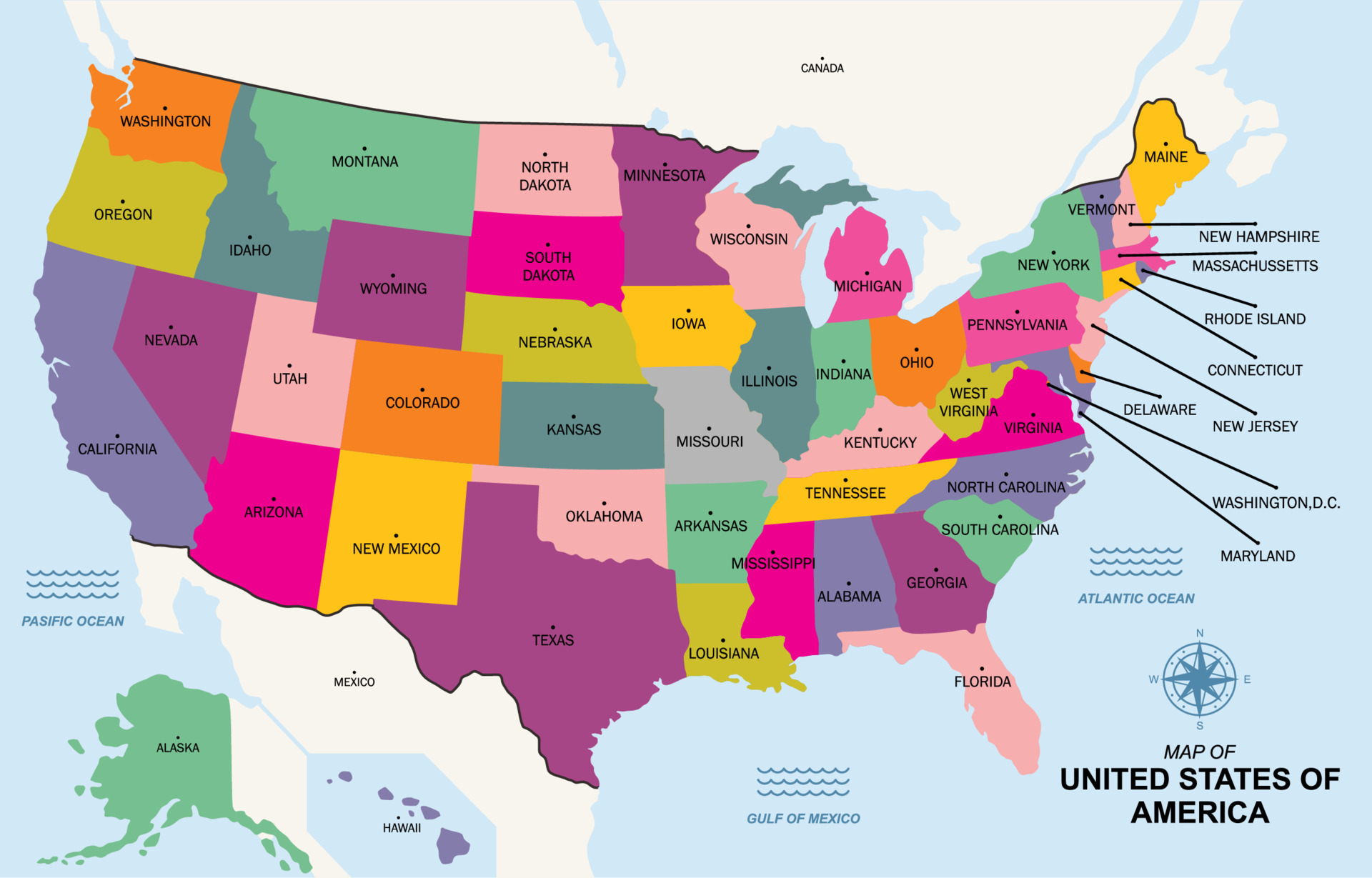
While precise state-by-state census data is notoriously difficult to aggregate due to the species' elusive nature, the highest densities of North American beavers are consistently reported across the Pacific Northwest, the Great Lakes region, and the boreal forests of the Northeast. Oregon, famously dubbed the "Beaver State," and neighboring Washington currently hold some of the most stable and ecologically significant populations in the continental United States. Other states like Maine, Minnesota, and Wisconsin also report high concentrations, largely due to their abundance of year-round water sources, including complex networks of streams, wetlands, and lakes that are essential for lodge construction.
The distribution of these rodents is primarily dictated by the availability of suitable habitat rather than political boundaries. Because beavers are ecosystem engineers that actively modify their environment to create impoundments, they thrive in regions where they can easily access both soft-wood vegetation and perennial waterways. The following breakdown illustrates the regional concentration of these animals based on habitat availability and wildlife management reports.

- Pacific Northwest: Oregon and Washington maintain strong populations due to dense forest cover and high stream density.
- Upper Midwest: Minnesota and Wisconsin provide vast, interconnected lake systems that are perfect for large-scale colonization.
- Northeast Corridor: Maine, Vermont, and New York host dense populations that have rebounded significantly since mid-20th-century conservation efforts.
- Southeast: While populations exist, they are often more fragmented compared to the expansive northern territories.
Tracking population density requires an understanding of how these animals interact with the landscape. Scientific literature suggests that one colony typically requires roughly 0.5 miles of river or stream frontage under ideal conditions. Because of this, states with extensive, undeveloped riparian corridors naturally sustain higher numbers of these rodents. Wildlife officials monitor these populations using a variety of metrics, including nuisance complaint logs, which often spike when local numbers exceed carrying capacity.
- Assess the density of permanent water sources like ponds, lakes, and low-gradient streams.
- Evaluate the proximity of woody vegetation, which serves as both food and building material.
- Monitor the impact of human infrastructure, such as drainage ditches or culverts, which can attract dam-building behavior.
- Implement wildlife management strategies to mitigate damage to property while maintaining ecological balance.
Table 1 provides a comparative look at the environmental factors that contribute to high beaver occupancy across select U.S. regions. These figures represent relative habitat suitability indices used by state wildlife agencies to track potential population growth.
| Region | Habitat Suitability | Primary Water Source | Relative Density |
|---|---|---|---|
| Pacific Northwest | High | Mountain Streams | Very High |
| Upper Midwest | High | Lakes/Wetlands | High |
| Northeast | Moderate/High | Forested Rivers | High |
| Southwest | Low | Ephemeral Creeks | Low |
It is important to recognize the historical context of these populations. By the early 20th century, the American beaver had been nearly eradicated from large swaths of the continent due to intensive fur trapping. Decades of protective legislation and reintroduction programs have allowed the species to recolonize its original range successfully. Today, there are an estimated 10 to 15 million beavers in North America, a testament to the effectiveness of modern wildlife conservation initiatives.
Ecologists often point to the "beaver paradox," where the same dams that provide essential biodiversity benefits-such as filtering pollutants and providing salmon spawning habitat-also create challenges for human land use. States that balance these interests effectively, often through the use of "beaver deceivers" or flow devices, tend to maintain healthier, more stable populations over the long term. This nuanced management style ensures that these animals continue to serve as vital keystone species across the continent.
Expert answers to What States Have The Most Beavers And Why It Matters queries
What are the primary factors limiting beaver populations in a state?
The most significant limiting factor is the availability of stable, year-round water and access to deciduous trees, such as aspen, willow, and cottonwood. Additionally, human-wildlife conflict remains a major constraint; in densely populated states, beavers are often managed or relocated because their dam-building activities can cause flooding on infrastructure, roads, or private agricultural land.
Do beavers live in all 50 states?
No, beavers are not found in Hawaii, and they are largely absent from the arid desert regions of the American Southwest where surface water is too scarce to support their dam-building lifestyle. While they have been spotted in almost every other state, their presence is significantly thinner in the southern, arid climates compared to the lush, water-rich northern and western states.
