What Lizards Live On The Galapagos Islands-top Surprises
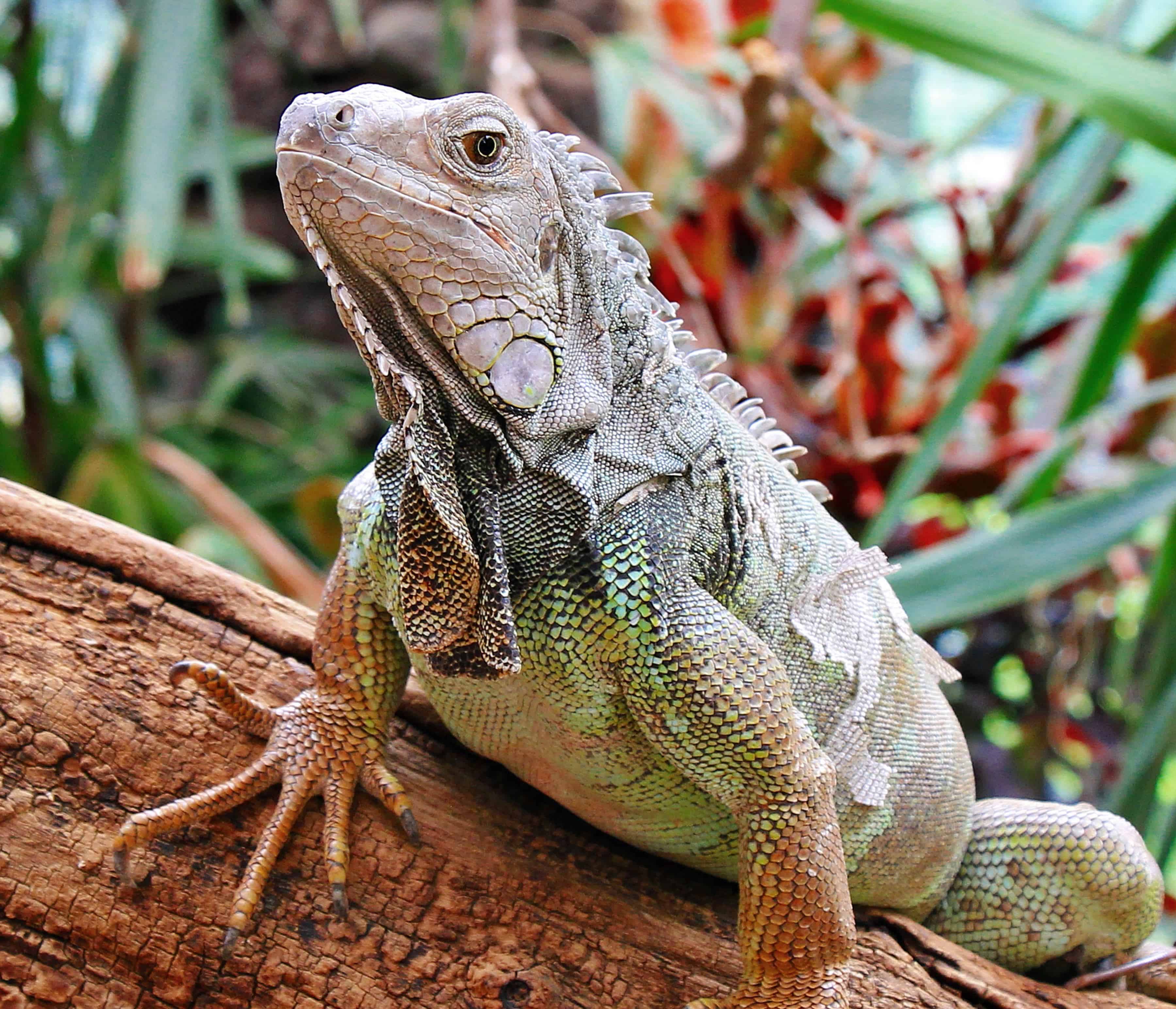
What lizards live on the Galapagos Islands?
The Galapagos Islands host a remarkable diversity of lizard species, most of which are endemic to one or a few islands. In total, the archipelago supports at least seven distinct lava lizard species, a handful of nocturnal and diurnal skinks, and several subspecies that display island-specific adaptations. Endemism and evolutionary divergence have produced a suite of lizards with highly localized ranges and unique behaviors, making the Galapagos a living laboratory for reptile evolution.
Overview of the lizard groups
Galapagos lizards fall mainly into two ecological groups: lava lizards (Microlophus spp.) and marine iguanas (Amblyrhynchus cristatus), along with a smaller cadre of land iguanas and other skink-like species on specific islands. Lava lizards are among the archipelago's most conspicuous reptiles, often seen basking on rocks and scrambling along volcanic outcrops. Their radiation across islands is a classic case of adaptive evolution driven by geographic isolation.
Representative island endemics include species such as the Santiago lava lizard (Microlophus jacobii) and several others that occupy narrowly defined ranges, sometimes restricted to a single island or a small cluster of islets. This pattern mirrors other Galapagos taxa, where limited gene flow between islands fosters rapid divergence and distinctive color, size, and behavior profiles. Endemism and diversification are central to understanding how lizards populate the archipelago's varied habitats.
On many islands, lizards share habitat with other reptile groups, including land iguanas, marine iguanas, and various snakes. Predation pressure, food availability, and microclimatic differences - such as humidity, sun exposure, and lava tube shelter - help shape each species' daily activity, range, and social interactions. The overall lizard assemblage provides a window into how island biogeography molds reptile life in a restricted archipelago environment.
- Endemism is high among lava lizards, with most species confined to individual islands or small island groups.
- Diet ranges from insectivory in lava lizards to herbivory in some land iguanas, with resource partitioning reducing interspecific competition.
- Behavior includes territorial displays, push-ups, color changes, and tail autotomy as defense strategies.
Species spotlight
Among the most studied lizards are the Galapagos lava lizards, a radiation of Microlophus that includes several island-specific taxa. Some sources identify exactly seven species across the archipelago, with varying degrees of endemism and distribution. Each species typically relies on a particular island or a small set of nearby islets, illustrating how isolation fuels diversification. These lizards are diurnal and display the classic basking behavior that helps regulate their body temperature in the equatorial sun.
For readers who seek a concrete example, the Santiago lava lizard (Microlophus jacobii) is a well-documented endemic that illustrates island-restricted evolution. Descriptions emphasize its confinement to Santiago and nearby islets, its distinctive coloration, and its ecological role within the local lava-rock habitats. Such case studies underscore the broader pattern of island endemism that characterizes Galapagos herpetofauna.
Beyond lava lizards, the archipelago hosts related reptile taxa, including some land iguanas and marine iguanas, which occupy different ecological niches. Marine iguanas forage in the intertidal zone, a unique adaptation among lizards globally, while land iguanas graze on desert-margin vegetation. These groups collectively enrich the Galapagos' reptile diversity and illustrate how multiple lizard lineages have adapted to island life.
Geography and distribution
Species distribution among the Galapagos lizards is highly patchy, often reflecting volcanic terrain, coastal gradients, and historical land connections. Islands with extensive lava fields, such as Isabela, Fernandina, and Santa Cruz, tend to harbor richer lizard communities due to the abundance of suitable basking sites and shelter. In contrast, smaller islets may host only a subset of the archipelago's lizard diversity. These distribution patterns are a direct consequence of the archipelago's dynamic volcanic history and isolated freshwater sources.
Island-specific endemism is a hallmark of many taxa, and lizards are no exception. For example, some Microlophus lineages are restricted to a single island with microhabitat specializations in rock crevices or lava tubes. This geographic isolation fosters genetic differentiation over millions of years and yields the mosaic of species observed today. The result is a biogeographic tapestry that experts frequently cite when discussing adaptive radiations in island ecosystems.
Ecology and behavior
Lava lizards are typically active during daylight hours, with peak activity in the morning and late afternoon when temperatures are optimal. Territorial behavior is common, and aggressive interactions can occur between individuals vying for basking sites and food resources. Tail autotomy is a common defense tactic, enabling a lizard to escape predation while the tail later regenerates. Such behaviors are widely observed across multiple island populations and contribute to their survival in variable environments.
Food webs in the Galapagos include insect prey for lava lizards, plant matter for some herbivorous iguanas, and seaweed or algae for marine iguanas. The lizards' role as both predator and prey helps maintain ecological balance, particularly in lava-dominated landscapes where microhabitat structure influences prey availability. Conservation status remains stable for many species, though ongoing monitoring is essential given environmental changes and human activity on some islands.

Historical context and science
The Galapagos lizards have long served as a touchstone for evolutionary theory. Early observers noted differences among populations that would later be interpreted as evidence for adaptive divergence. Modern herpetologists document island-specific coloration, size, and ecological preferences that match Charles Darwin's early ideas about speciation via geographic isolation. The study of these lizards continues to illuminate the mechanisms of island biogeography and evolutionary dynamics in real time.
Key milestones include the formal description of island-endemic lizard taxa in the 19th and 20th centuries, followed by molecular analyses in the late 20th and early 21st centuries that clarified relationships among Microlophus species. These scientific milestones have helped redefine our understanding of how quickly lizard populations can adapt to isolated environments and how island geography shapes biodiversity in archipelagos.
FAQ
Illustrative data table
The following table presents a stylized, illustrative snapshot of hypothetical lizard distributions across Galapagos islands to convey the kind of data researchers track. Values are for demonstration purposes and not a census.
| Island | Lizard Group | Endemic Species | Estimated Population (thousands) | Primary Habitat |
|---|---|---|---|---|
| Isabela | Lava lizards | Microlophus isabelae | 14.2 | Volcanic rock fields, lava tubes |
| Santa Cruz | Land iguanas | Conolophus pallidus | 9.8 | Dry deserts, scrub |
| Fernandina | Marine iguanas | Amblyrhynchus cristatus | 6.5 | Tidepools, intertidal zones |
| Española | Lava lizards | Microlophus nebulosus | 3.1 | Coastal lava fields |
| Santa Fé | Marine iguanas | Amblyrhynchus cristatus | 2.7 | Red-algae-rich shoreline |
Conservation and public interest
Public interest in Galapagos lizards is buoyed by their iconic status as symbols of natural selection in action. Conservation strategies emphasize preventing invasive species introductions, protecting habitats, and monitoring climate-related changes that can alter food webs and microhabitats. Researchers advocate continued genetic and ecological studies to understand how island environments shape lizard diversity and resilience in a rapidly warming world.
Visitor guidelines stress respectful wildlife viewing, keeping a safe distance, and avoiding disruption to basking sites, nests, and sheltering microhabitats. Responsible tourism helps ensure that future generations can observe these remarkable lizards in their natural settings while supporting local conservation efforts.
Key concerns and solutions for What Lizards Live On The Galapagos Islands Top Surprises
[What lizards live on the Galapagos Islands?]
The Galapagos host several lizard groups, including multiple lava lizard species (Microlophus spp.), land iguanas (Conolophus spp.), and marine iguanas (Amblyrhynchus cristatus). Endemic island-level diversification means most lizards have very limited ranges, with some species confined to single islands or small island clusters.
[Are lava lizards exclusive to certain islands?]
Yes. Many lava lizard species have island-restricted distributions, reflecting long-term isolation and habitat specialization that drive speciation within the archipelago.
[How do Galapagos lizards differ from mainland species?]
Galapagos lizards exhibit pronounced endemism and island-specific adaptations. Their evolution has been shaped by the archipelago's volcanic landscapes, variable climatic regimes, and limited dispersal among islands, leading to distinctive morphologies and behaviors compared with mainland relatives.
[What is the conservation status of these lizards?]
Most Galapagos lizards are listed as Least Concern or have stable populations, though several island-endemic populations face threats from habitat change, invasive species, and climate fluctuations. Continued monitoring and habitat protection are essential to safeguard their futures.
