What Is The Symptoms Of New Virus HMPV Or Just Mild Flu?
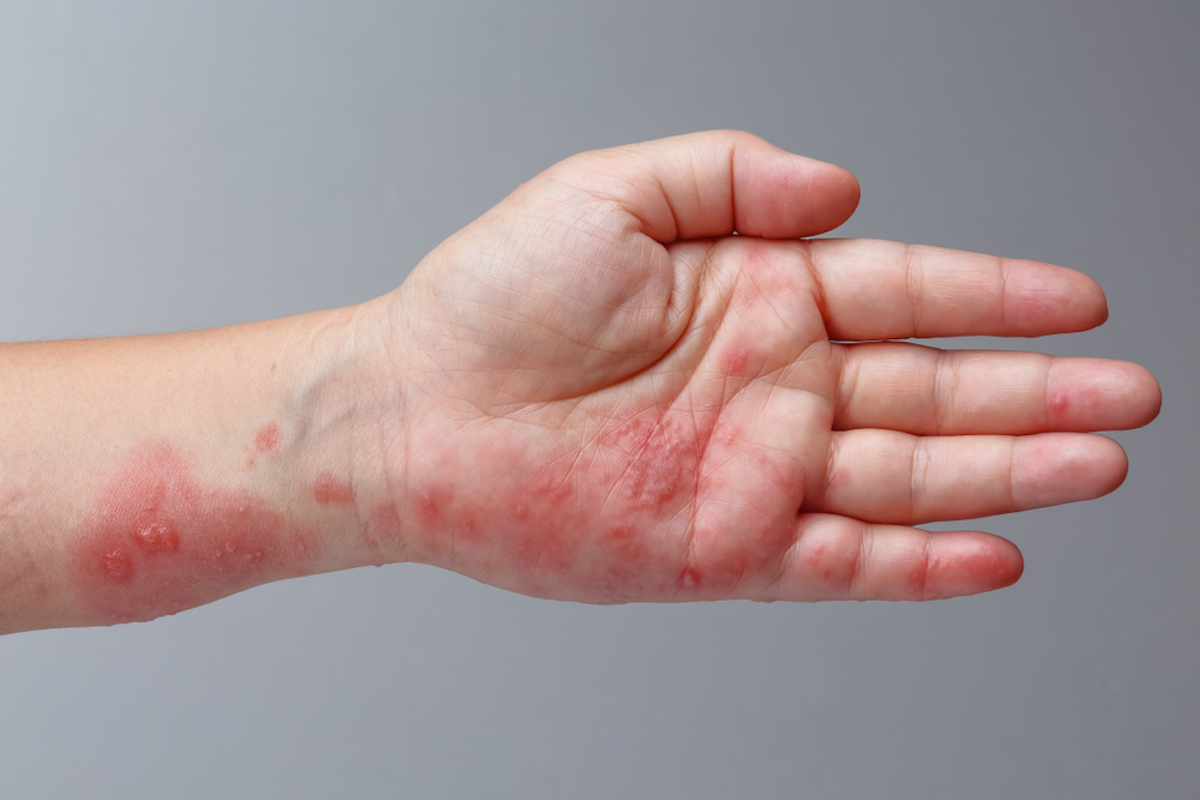
If you're asking about the new virus HMPV (human metapneumovirus), the most typical symptoms are cold- or flu-like respiratory illness: cough, fever, sore throat, and runny or blocked nose-especially in the early days. In higher-risk people (infants, older adults, or those with lung disease), it can progress to wheezing, shortness of breath, and complications like bronchiolitis or pneumonia.
HMPV symptoms (what to watch)
In general, cold-like symptoms are the common starting point for HMPV, often resembling influenza or a typical respiratory infection. Public guidance also lists fever (including around 38°C or higher), cough, nasal congestion, headache, and fatigue as frequent complaints.

- Cough (often the most noticeable early sign)
- Fever, commonly reported as 38°C (100.4°F) or higher
- Sore throat
- Runny or stuffy nose / nasal congestion
- Body aches, headache, and fatigue/tiredness
While these symptoms are often mild and self-limited, the reason clinicians stress symptom awareness is that HMPV can sometimes "move lower" into the airways in vulnerable patients. Health authorities describe that in more severe cases, people may experience difficulty breathing or shortness of breath and may develop bronchiolitis or pneumonia.
Timeline of symptoms
HMPV is typically incubated for about 3-6 days before symptoms become apparent, which is one reason family members can feel sick around the same time after exposure. Once symptoms begin, many cases resemble a cold early on-so early monitoring matters most if someone has risk factors.
Clinically, the symptom pattern often looks like this: upper-respiratory symptoms first, then-if the illness worsens-lower-respiratory signs such as wheezing or breathing difficulty. This is also why clinicians advise paying attention not just to "being sick," but to breathing effort and oxygen-related warning signs.
- Days after exposure (incubation): about 3-6 days
- Early illness: cold/flu-like symptoms such as cough, fever, runny/stuffy nose, sore throat
- Potential progression (in some high-risk cases): wheezing, shortness of breath, worsening cough
- Complications to watch for: bronchiolitis or pneumonia
Symptoms by severity
Most people experience mild respiratory illness similar to a common cold, which may include cough, nasal congestion, sore throat, and fever. However, clinicians highlight that symptoms may become more severe in people with underlying lung problems such as asthma, COPD, or emphysema.
To make symptom-checking practical, here's a severity-oriented way doctors often think about HMPV presentations-using what you can observe at home plus what may require evaluation.
| Severity level | Typical symptom pattern | Who is most affected | When to consider medical advice |
|---|---|---|---|
| Mild (common) | Cough, fever, runny/stuffy nose, sore throat, headache, fatigue | General population | If symptoms persist or worsen after several days; follow local guidance |
| Moderate | More intense cough, possible wheezing, noticeable shortness of breath | People with chronic lung disease | Same-day clinician advice if breathing feels harder or work of breathing increases |
| Severe (higher-risk) | Difficulty breathing, wheezing, progressing illness; possible bronchiolitis/pneumonia | Children, elderly, immunocompromised | Urgent assessment if breathing trouble is significant or rapidly worsening |
Red flags that need care
Because HMPV is a respiratory virus, the most important "tells" are breathing-related changes rather than just how uncomfortable you feel. Health authorities note that severe disease may require interventions such as oxygen therapy or even mechanical ventilation in extreme cases, which underscores why clinicians watch for breathing difficulty.
Below are practical warning signs that commonly trigger urgent evaluation during respiratory outbreaks, including HMPV seasons. If any of these occur, the safest move is to contact a clinician promptly rather than waiting it out.
- Shortness of breath or difficulty breathing
- Wheezing, especially if it's new for the person
- Signs of lower-airway involvement like worsening cough and respiratory distress
- Concern for bronchiolitis or pneumonia (clinicians consider these when symptoms progress)
Who is at higher risk?
Clinicians stress risk-based monitoring because not everyone responds to HMPV the same way. Public health guidance states that children, older adults, and immunocompromised people are at higher risk, and symptoms are generally mild and self-limited for many people overall.
Additional medical references also emphasize that symptoms may become more severe in people with a history of asthma, COPD, or emphysema and other lung diseases. If you or your child falls into these categories, it's more important to watch breathing and hydration and to seek guidance earlier.
HMPV vs "it's just a cold"
HMPV can be confusing because it often looks like other respiratory infections-so the point of symptom awareness is not instant self-diagnosis, but knowing when to get tested or evaluated. International health guidance describes that HMPV typically causes flu-like or cold-like symptoms such as cough, fever, sore throat, and runny or stuffy nose.
In other words, the symptom overlap is real, and your best next step is based on severity and risk status. Medical evaluation matters particularly when symptoms worsen, last unusually long, or breathing becomes difficult.
When doctors consider testing
Testing decisions depend on how sick someone is and whether they're in a higher-risk group, rather than symptoms alone. Health guidance notes that supportive care is common overall, but clinicians use diagnostic evaluation when there's significant respiratory distress, concern for complications, or higher-risk factors.
In practice, confirmation is typically done with lab testing on a respiratory sample, such as swabs from the nose or throat. The goal is to distinguish HMPV from other causes of similar illness so clinicians can manage risk and complications appropriately.
What to do if you suspect HMPV
If the illness looks mild-cough, fever, congestion, and fatigue-people are often advised to focus on supportive care and monitoring. Health authorities describe supportive management as the general approach, which includes maintaining hydration and watching for progression.
Here's a home-action checklist you can use while deciding whether to escalate to a clinician.
- Track temperature and breathing comfort, especially in children or older adults
- Monitor for wheezing and worsening shortness of breath
- Prioritize hydration and rest while symptoms stay mild
- Seek urgent medical advice if breathing difficulty appears or rapidly worsens
Doctors often emphasize that "mild cold symptoms" deserve attention-because in some patients, HMPV can progress to lower-respiratory illness such as bronchiolitis or pneumonia.
FAQ
Helpful tips and tricks for What Is The Symptoms Of New Virus Hmpv Or Just Mild Flu
What are the first symptoms of HMPV?
Early symptoms often resemble a cold or flu and include cough, fever, sore throat, and a runny or stuffy nose. Some people also report headache and fatigue/tiredness.
Is HMPV dangerous?
For many people, HMPV causes a mild, self-limited illness, but it can be more serious in children, older adults, or immunocompromised people. In higher-risk cases, it can lead to wheezing, difficulty breathing, and complications such as bronchiolitis or pneumonia.
How long after exposure do symptoms start?
The incubation period is usually about 3-6 days before symptoms appear.
What symptoms mean I should seek medical care?
Seek prompt medical advice if you notice difficulty breathing, wheezing, or signs that the illness is worsening toward lower-respiratory complications. Guidance for severe disease highlights that oxygen therapy or more intensive care may be needed in some cases, which is why breathing changes matter.
Can people with asthma get worse with HMPV?
Yes. Medical guidance lists asthma and other chronic lung diseases as conditions where symptoms may become more severe.
Is there a specific treatment for HMPV?
Most guidance emphasizes supportive care rather than a specific cure, with management focused on symptoms and maintaining hydration while monitoring for complications.