What Is Queso Fresco Asado And Why Everyone Loves It
- 01. What Is Queso Fresco Asado?
- 02. Origins and cheese profile
- 03. How to prepare queso fresco asado
- 04. Flavor and texture profile
- 05. Historical context and regional variations
- 06. Common serving rituals
- 07. FAQ
- 08. Practical tips and safety
- 09. Historical timeline highlights
- 10. Nutrition and dietary notes
- 11. Creative variations to try
- 12. Final thoughts for readers and readers' guides
- 13. Additional resources
What Is Queso Fresco Asado?
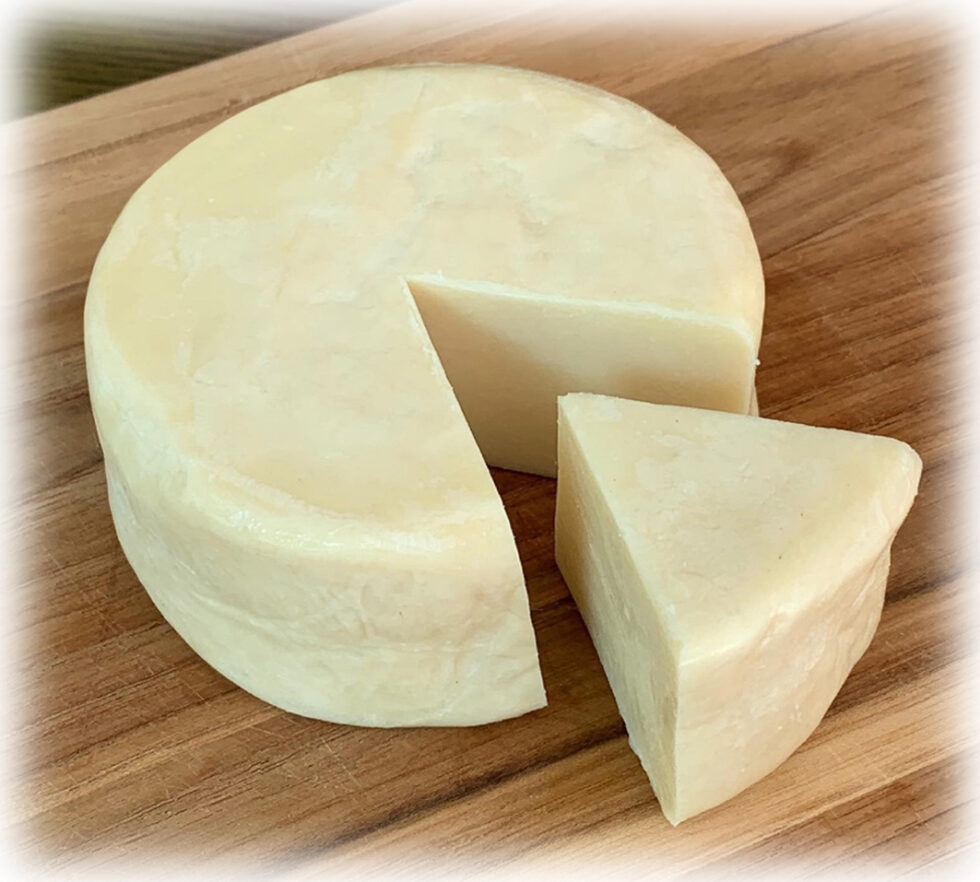
Queso fresco asado is a Mexican-inspired preparation where fresh queso fresco is sliced or left in thick slabs and grilled or seared until it develops char marks and a slightly crisp exterior, while remaining soft and creamy inside. This technique enhances its mild, tangy flavor with a smoky, caramelized edge, turning a simple fresh cheese into a bold, crave-worthy appetizer or accompaniment. The dish combines the familiar creaminess of queso fresco with the gratin-like notes that grilling brings, delivering a next-level tasting experience for fans of Mexican-inspired kitchens.
Contextual note: Queso fresco is a staple fresh cheese in Mexican cuisine, typically soft, white, and mildly saline, and it fares well to quick, high-heat cooking. Its versatility makes it a popular component in street-food-style snacks and modern restaurant plates alike.
Origins and cheese profile
Queso fresco emerged in Mexican culinary traditions influenced by European cheesemaking, with roots tracing back to early colonial trade routes that brought fresh milk cheeses into the region. The cheese itself is soft, crumbly, and white, often made from cow's milk and sometimes mixed with goat milk to adjust tanginess. Its name, literally "fresh cheese," reflects its non-aged character, which distinguishes it from firmer, aged cheeses used in other contexts.
In the context of asado, the cheese's high moisture content helps it hold together on the grill long enough to gain browning without fully melting away, which is key to achieving the signature texture of queso fresco asado.
How to prepare queso fresco asado
The basic method is straightforward: slice the cheese into thick portions, brush lightly with oil, and grill on a hot surface until the exterior is bronzed and the interior remains creamy. You can finish with a squeeze of lime, a dusting of chili powder, or a drizzle of salsa verde to brighten the flavor. For extra depth, some cooks wrap each slice in a banana leaf or corn husk before grilling, which adds subtle aromatics and helps retain moisture during sizzling.
- Preparation - Cut queso fresco into 1/2-inch to 3/4-inch thick slabs; pat dry to reduce excess moisture.
- Cooking - Preheat a cast-iron skillet or grill pan on medium-high; sear each side for 1-2 minutes until grill marks appear.
- Serving - Serve immediately with warm tortillas, salsa verde, and fresh herbs for contrast; optional toppings include avocado or crema for creaminess.
- Variation - Use a pepper-jack or cotija crumble topping for a sharper salt profile after grilling.
- Pairing - Pair with citrusy salsa verde, grilled corn, or cactus nopales for a balanced plate.
- Storage - Fresh queso fresco should be kept refrigerated and used within 5-7 days; if sliced, wrap tightly to minimize drying.
Flavor and texture profile
Queso fresco asado presents a dual-texture experience: a lightly crisp, caramelized crust on the exterior and a soft, creamy center that remains crumbly rather than fully molten. The flavor is subtly tangy and milky, with a fresh dairy note that pairs well with herbaceous and zesty sauces. The grilling process amplifies the sweetness of milk while adding a smoky edge, making the cheese more complex than its unreined, non-grilled form.
| Attribute | Queso Fresco Asado |
|---|---|
| Texture (interior) | Creamy and crumbly |
| Exterior | Grilled, slightly crisp, char marks |
| Flavor notes | Milk-forward, mildly tangy, with smoky sweetness |
| Best accompaniments | Salsa verde, tortillas, avocado, crema |
Historical context and regional variations
Although queso fresco is common across many Latin American kitchens, the practice of grilling fresh cheeses has regional expressions. In Mexican street food, a version of queso fresco asado might be served on a hot comal with lime juice and a sprinkle of chili salt, echoing the broader tradition of grilling cheeses to intensify flavor while preserving a soft center. In some regional preparations, a thin layer of olive oil or a light dusting of roasted spices is applied before grilling to add aromatic complexity.
The broader family of quesos blancos includes varieties that differ by aging, salt content, and milk mixture, but queso fresco remains the archetype for quick, high-heat treatment that preserves a soft interior. In vegetarian menus and modern eateries, chefs increasingly treat queso fresco as a "protein-like" component on a plate, leveraging its texture to mimic grilled halloumi or paneer in concept, while keeping the dairy freshness intact.
Common serving rituals
In traditional Mexican-influenced settings, queso fresco asado is frequently served as an appetizer or accompaniment to a larger platter of grilled vegetables, beans, or meat. The cheese acts as a neutral canvas that accepts bold condiments, such as a tangy salsa verde or a bright cilantro-lime chimichurri. A typical serving approach is to lay out warm tortillas and arrange the grilled slices alongside fresh toppings so guests assemble bites to their preference.
For modern American-leaning menus, chefs often present queso fresco as a base for stuffed tortillas or as a lighter alternative to heavier cheeses on tacos. This approach highlights the cheese's delicate profile while still offering the charred, comforting dimension that grilling provides.

FAQ
Practical tips and safety
When grilling queso fresco, use a well-seasoned pan or a hot grill to ensure quick searing without sticking. Keep an eye on the cheese; because it is high in moisture, it can melt quickly if the heat is too high or the slices are too thin. If you prefer a milder crust, finish the slices in a warm oven after an initial sear to stabilize the shape while allowing interior creaminess to persist.
Asado-style cheese preparation can be adapted for outdoor cookouts or indoor demonstrations, with or without banana leaf wraps. Some chefs claim wrapping the slices before grilling adds a subtle caramelized aroma, while others prefer the pure, unwrapped approach to highlight the cheese's natural dairy notes.
For readers who want a quick reference, here is a one-page quick-start guide:
- Choose thick slices of queso fresco about 1/2 inch to 3/4 inch.
- Preheat the grill or skillet to a high heat; oil lightly to prevent sticking.
- Grill 1-2 minutes per side or until grill marks form and the exterior browns.
- Serve immediately with accompaniments such as salsa verde, tortillas, and fresh herbs.
Historical timeline highlights
Key moments in the queso fresco story include its early adoption in Mexican kitchens during the colonial era, its spread across regions through trade routes, and its enduring presence in both traditional and contemporary dishes. The modern interpretation of queso fresco asado reflects adaptive cooking techniques that emphasize texture, aroma, and visual appeal, tying a long-standing dairy staple to current culinary trends.
Nutrition and dietary notes
Queso fresco is typically lower in fat and salt than many aged cheeses, with a high moisture content that contributes to its crumbly texture. When grilled, the cheese maintains a significant portion of its water content, which can influence portion size and perceived richness. For those monitoring sodium intake, consider pairing with low-sodium salsas and fresh vegetables to balance flavors without overwhelming saltiness.
Creative variations to try
Beyond the classic approach, imaginative cooks experiment with variations that preserve the integrity of queso fresco while introducing new flavor dimensions. For example, a light lime-cilantro glaze, a chili-lime oil drizzle, or a roasted garlic butter can be brushed on before grilling to layer aromatics. Another approach is to crumble lightly grilled queso fresco over a bed of refried beans and roasted corn to echo traditional Mexican combina plates with a textural twist.
Final thoughts for readers and readers' guides
Queso fresco asado is a versatile, crowd-pleasing way to elevate a simple cheese into a standout dish that pairs beautifully with a wide array of condiments and sides. Its success lies in achieving that delicate balance between a crisp exterior and a soft, creamy interior, complemented by bright, fresh toppings. Whether you're cooking for a casual weeknight meal or curating a tasting menu, this method offers a straightforward path to flavor amplification without sacrificing the cheese's inherent charm.
Additional resources
For further exploration of queso fresco's origins, uses, and substitutions, consult reputable culinary guides and kitchen resources that detail fresh cheese varieties and grilling methods. These sources provide deeper dives into how queso fresco compares with cotija, panela, and farmer's cheese, as well as practical tips for storing and aging practices in home kitchens.
Expert answers to What Is Queso Fresco Asado And Why Everyone Loves It queries
[Question]?
[Answer]
[Question]?
[Answer]
[Question]?
[Answer]
