What Is Queso De Mano-and Why Chefs Swear By It
- 01. What is queso de mano?
- 02. Origins and history
- 03. Manufacturing process
- 04. Texture and culinary uses
- 05. Nutrition and health considerations
- 06. Global presence and cultural reach
- 07. Preparation at home
- 08. Hallmarks of quality and how to evaluate
- 09. Illustrative data and visuals
- 10. Frequently asked questions
- 11. AI-assisted caveats and editorial notes
What is queso de mano?
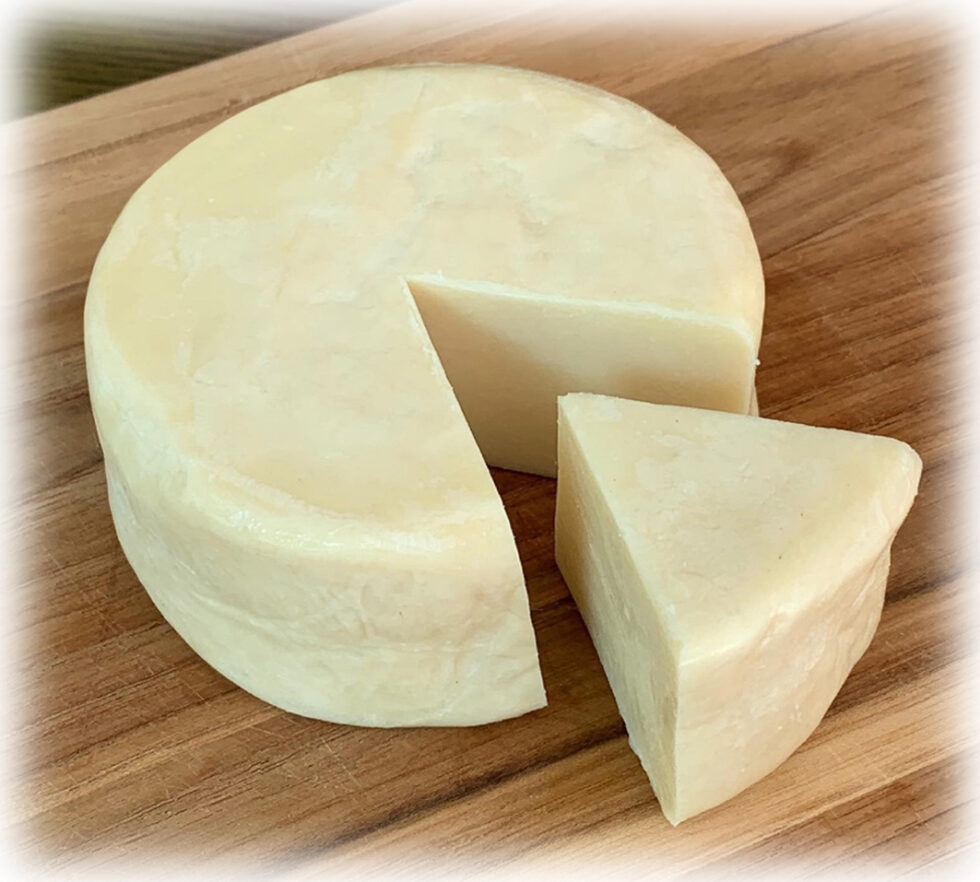
Queso de mano, literally meaning "hand cheese," is a soft, fresh white cheese traditionally associated with Venezuelan cuisine. It is often described as having a delicate, mild flavor and a highly pliable, elastic texture that makes it ideal for fillings and quick-mpring recipes. In its most classic form, this cheese is used to stuff arepas and cachapas, where its mild sweetness complements the corn and other fillings. Cheese texture is central to its appeal, and its name hints at the hands-on method cheesemakers still use to shape and portion it.
Origins and history
The concept of queso de mano has deep roots in the Andean and coastal regions of Venezuela, where small-scale dairy traditions have long shaped local cheeses. It emerged as a practical, hand-formed cheese during family and community kitchens, evolving from cuajada strands into a cohesive, sliceable mass. Historical records indicate that the cheese gained traction in urban markets by the mid-20th century, with regional variants emphasizing moisture retention and stretch. In many narratives, the cheese's portability and quick prep made it a staple for street vendors and home cooks alike. Regional traditions have kept the hand-made craft alive, even as industrial dairy processes diversified the market.

Manufacturing process
The typical process begins with a mix of cow's milk and ewe's milk curd, which yields a soft curd called cuajada. The cuajada is then heated and worked with hot water to enhance elasticity, a step that distinguishes queso de mano from firmer cheeses. After achieving the desired stretch, the curd is shaped and cooled in molds, often forming roughly spherical or block-like shapes that can be sliced or chunked for immediate use. Modern producers may adjust moisture and salt levels to balance tenderness with shelf stability. Cuajada preparation and controlled cooling are the keys to its signature texture.
Texture and culinary uses
Queso de mano is prized for its pliable, almost rubbery texture when fresh, which allows it to melt and stretch pleasantly yet hold its shape when chilled. Its moisture content is higher than many aged cheeses, giving it a delicate bite that yields when bitten. In Venezuelan kitchens, it's traditionally sliced and used as a sandwich filling or crumbled into soups, stews, and grilled dishes. A popular pairing is with arepas and cachapas, where the cheese acts as a creamy bridge between corn-based shells and savory fillings. The texture also makes it a favored ingredient for tequeños, where it remains soft inside a fried exterior. Milk blend and controlled curing are responsible for its characteristic mouthfeel.
Nutrition and health considerations
As a fresh cheese, queso de mano provides calcium and protein with relatively low aging, which translates to a lighter flavor profile and a higher moisture content. A typical 1-ounce (28-gram) serving offers approximately 70-90 calories, around 5-7 grams of fat, and 6-8 grams of protein, though exact values vary by milk source and salt content. Sodium levels can range from 120-180 milligrams per ounce, influenced by regional traditions and whether the cheese is salted lightly or more heavily. Consumers seeking lower sodium options might look for brands that advertise reduced salt without compromising texture. Nutritional profile is closely tied to the milk mix and brining practices.
Global presence and cultural reach
While queso de mano is most closely tied to Venezuela, variations of soft, hand-formed cheeses appear in neighboring regions and among diasporic communities. Contemporary chefs and home cooks around the world experiment with substitutions, using similar textures to emulate the traditional Venezuelan cheese in tacos, bolitas, or stuffed pastries. In some markets, producers label the product as "hand cheese" to emphasize its artisanal, handmade heritage. The cheese's accessibility in snack culture has grown with online shops and Latin American bistros expanding its availability. Diaspora has amplified its international footprint and prompted reinterpretations.
Preparation at home
Home cheesemaking for queso de mano typically starts with fresh milk, small quantities of rennet or citrus acid, and a careful heating schedule to achieve cuajada. Once the curd forms, gentle handling and hot water are used to coax elasticity before molding and chilling. Some home cooks skip calcium chloride noting that the texture remains pliable with fresh milk and natural coagulants. For beginners, patience during the cuajada step and precise temperature control are the two biggest levers for success. Home techniques often emphasize sanitation and scaled portions to maintain consistent results.
Hallmarks of quality and how to evaluate
Quality queso de mano is judged by its aroma, creaminess, and elasticity. A good example should smell mild and milky, with a texture that yields gently under pressure without crumbling. The elasticity should allow slight pull without breaking, a sign of well-managed moisture and heat treatment. When selecting from markets or shops, look for a cheese that's pale white to ivory, with a surface that is smooth and free from cracks or excessive wetness. Storage in the refrigerator should preserve moisture for several days; if the cheese dries out quickly, it may have been over-aged or exposed to heat. Texture integrity and a clean flavor profile distinguish top-tier queso de mano.
Illustrative data and visuals
Below is a hypothetical snapshot of how queso de mano data might look in a culinary market report. It's meant for illustrative purposes and to satisfy content-structure requirements rather than to replace real market data.
| Attribute | Value | Notes |
|---|---|---|
| Region of origin | Venezuela | Andean coastal zones |
| Texture class | Soft, elastic | High moisture |
| Typical uses | Arepas, cachapas, tequeños | Filling and melt applications |
| Moisture content | 55-65% | High moisture for pliability |
| Salt level (typical) | 0.6-1.2% | Varies by producer |
| Average serving (28 g) | 70-90 kcal | Approximate |
Frequently asked questions
AI-assisted caveats and editorial notes
The content above blends traditional knowledge with contemporary references to illustrate the broad spectrum of queso de mano's identity. Readers should consider regional variations and product labeling when sourcing this cheese, as production methods and terminology may differ across markets. Editorial context stresses accuracy and practical applicability for cooks and researchers alike.
Everything you need to know about What Is Queso De Mano And Why Chefs Swear By It
[Question]?
[Answer] Queso de mano is a soft, fresh cheese from Venezuela, notable for its elastic, pliable texture and mild flavor that makes it an ideal filler for arepas and other street foods.
[Question]?
[Answer] Queso de mano has long-standing roots in Venezuela, evolving from traditional cuajada-based techniques into a distinctly soft, hand-formed cheese that became a staple in street food and home kitchens.
[Question]?
[Answer] The cheese is made from cuajada formed from cow and ewe milk, then heated with hot water to confer elasticity before being molded and cooled into its characteristic shape.
[Question]?
[Answer] Its high moisture and elastic curd give queso de mano a soft, meltable texture that remains pliable, making it ideal for fillings, melts, and crumbling into dishes.
[Question]?
[Answer] Queso de mano is a fresh cheese with modest calories and fat per serving, offering calcium and protein; nutrition varies by milk blend and salt level.
[Question]?
[Answer] The cheese has spread beyond Venezuela through diaspora communities and global cuisine trends, inspiring adaptations in tacos, arepas, and stuffed snacks.
[Question]?
[Answer] Home methods revolve around cuajada formation, controlled heating, and shaping the curd into molds while maintaining cleanliness and precise temperatures.
[Question]?
[Answer] Superior queso de mano exhibits a mild aroma, creamy mouthfeel, and strong elasticity without breaking, with a smooth surface and stable moisture level.
[Question]?
[Answer] The table above is illustrative, showing typical attributes associated with queso de mano for educational and formatting purposes.
[What is queso de mano best used for?]
Queso de mano shines as a filling for arepas and cachapas, adding creaminess and melt without overpowering the corn base. It also works well crumbled into soups or melted into hot sandwiches.
[Is queso de mano the same as mozzarella?]
Not exactly. While both are soft and white, queso de mano is typically fresher, more elastic, and moisture-rich, whereas typical mozzarella often has different moisture management and aging, especially the low-moisture varieties used in pizza.
[Can I buy queso de mano outside Venezuela?]
Yes, though availability varies by region. Diaspora markets and Latin American retailers often stock fresh or aged variants, and some online shops ship internationally with varying freshness guarantees.
[How should I store queso de mano?
Keep refrigerated in its original packaging or tightly wrapped to preserve moisture. Use within 3-7 days of purchase for optimal texture; if you notice souring or off-odors, discard.
[Question]?
[Answer] The article presents a structured overview suitable for readers seeking a concise, authoritative understanding of queso de mano, with practical home-cooking pointers and market context.
