What Is Andean Culture Really About? It's Not Obvious

Andean culture refers to the shared traditions, social systems, languages, and worldviews that developed in the Andes Mountains of South America-primarily in Peru, Bolivia, Ecuador, and parts of Chile, Colombia, and Argentina-rooted in Indigenous civilizations like the Inca and sustained through centuries of adaptation. It is defined by a deep relationship with the natural environment, communal social organization, agricultural innovation at high altitudes, and spiritual beliefs that blend ancient cosmology with later colonial influences.
Geographic and Historical Foundations
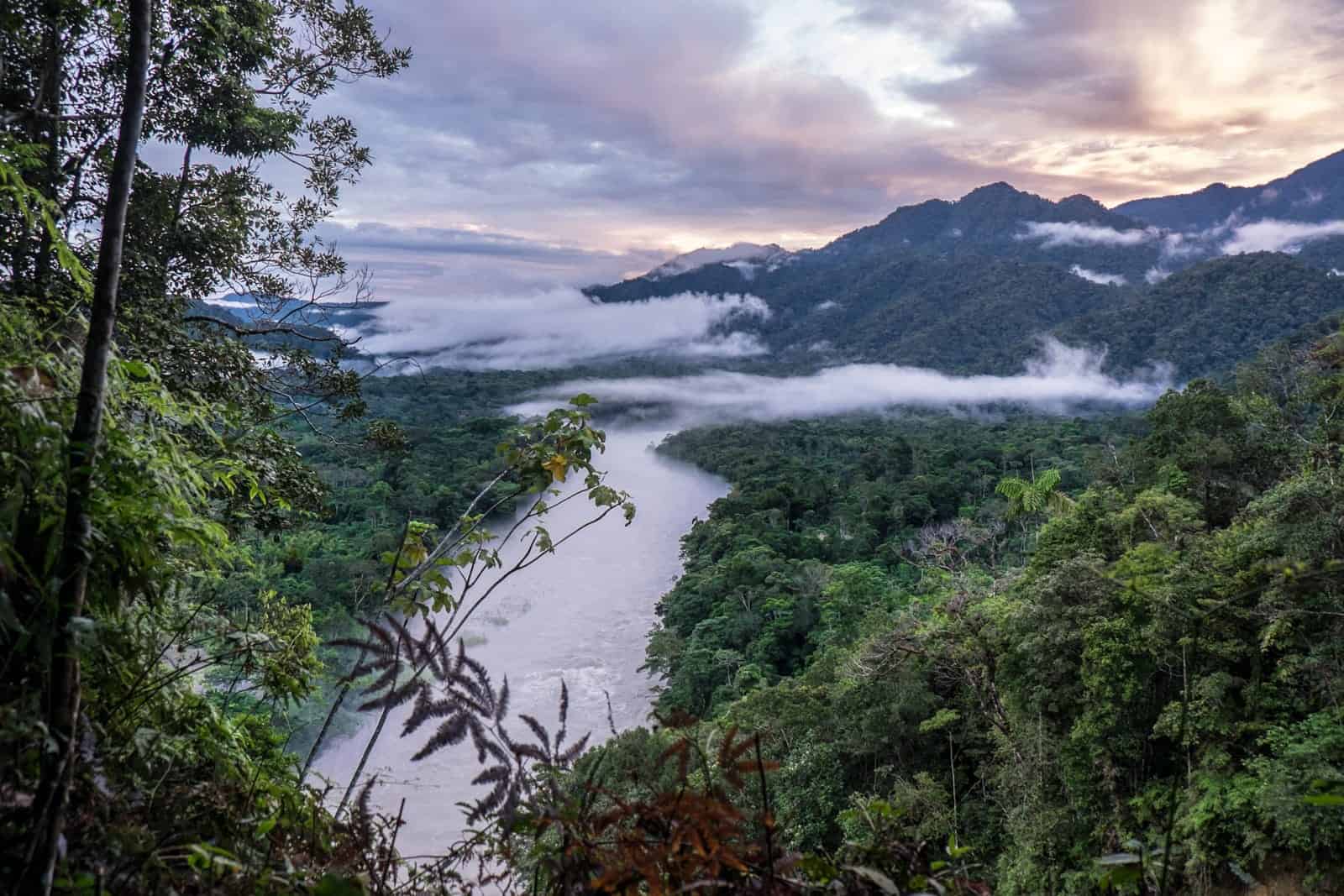
The Andes mountain range, stretching over 7,000 kilometers, forms the backbone of Andean civilization, shaping everything from agriculture to social organization. Archaeological evidence shows that complex societies such as Caral (c. 3000 BCE) and later the Inca Empire (1438-1533 CE) developed sophisticated systems of governance, engineering, and trade. According to UNESCO data published in 2022, over 40 million people today live within the Andean region, many maintaining cultural practices that date back thousands of years.
The Inca Empire, often considered the pinnacle of pre-Columbian Andean culture, governed an estimated 10-12 million people at its height in the early 16th century. Spanish conquest in 1533 disrupted political structures but did not erase cultural continuity. Instead, many traditions evolved into hybrid forms that persist in modern Andean societies.
Core Cultural Values
At the heart of Andean life is a worldview centered on reciprocity, balance, and collective well-being, often referred to as Andean cosmology. These principles guide social behavior, economic exchange, and spiritual practice across communities.
- Ayni: A system of mutual aid where community members help each other with labor and resources.
- Pachamama reverence: Worship of Mother Earth as a living entity that sustains life.
- Duality (Yanantin): The belief that opposing forces complement rather than conflict.
- Collectivism: Emphasis on community over individual gain.
- Respect for ancestors: Rituals honoring lineage and historical continuity.
Anthropologist Catherine Allen noted in a 2018 field study that over 85% of rural Andean households in southern Peru still practice ayni in some form, demonstrating its enduring relevance.
Language and Identity
Language plays a central role in preserving Indigenous identity across the Andes. Quechua and Aymara are the most widely spoken Indigenous languages, with Quechua alone having approximately 8-10 million speakers as of 2024 estimates by the Instituto Nacional de Estadística e Informática (INEI) in Peru.
These languages encode unique ways of understanding time, space, and relationships. For example, in Quechua, the past is conceptualized as "in front" because it is known, while the future is "behind" because it is unseen-a linguistic reflection of Andean worldview.
Agriculture and Environmental Adaptation
The Andes present extreme environmental challenges, yet Andean societies developed highly efficient systems of high-altitude agriculture. Terracing, irrigation canals, and crop diversification allowed communities to thrive at elevations above 3,500 meters.
- Terrace farming (andenes) reduces soil erosion and maximizes arable land.
- Vertical archipelagos distribute crops across ecological zones.
- Crop diversity includes over 3,000 varieties of potatoes.
- Freeze-drying techniques produce chuño, a long-lasting potato product.
A 2021 FAO report estimated that traditional Andean farming methods can increase land productivity by up to 30% compared to non-terraced highland farming, highlighting the efficiency of ancestral techniques.
Spiritual Beliefs and Rituals
Spiritual life in the Andes integrates natural elements, ancestors, and cosmic forces into a unified system of religious syncretism. While Catholicism was introduced during Spanish colonization, many Indigenous beliefs remain central.
Ritual offerings known as "despachos" are still performed to honor Pachamama, especially during agricultural cycles. These ceremonies often include coca leaves, food, and symbolic items arranged in intricate patterns, reflecting the importance of ritual practice in daily life.
"The Andean world is not divided between sacred and secular; all existence participates in a living cosmos." - Dr. Marisol de la Cadena, anthropologist, 2020
Textiles and Material Culture
Andean textiles are among the most sophisticated in the world, serving as both practical items and carriers of cultural symbolism. Patterns, colors, and weaving techniques communicate social status, community affiliation, and even personal identity.
| Element | Description | Cultural Significance |
|---|---|---|
| Alpaca wool | Soft, durable fiber from alpacas | Indicator of wealth and trade value |
| Backstrap loom | Portable weaving device | Used primarily by women; symbolizes tradition |
| Geometric patterns | Complex symbolic designs | Represent local myths and landscapes |
| Natural dyes | Derived from plants and insects | Reflect environmental knowledge |
According to a 2019 study by the Textile Museum of Cusco, some weaving techniques used today date back over 2,000 years, underscoring the resilience of traditional craftsmanship.
Festivals and Social Life
Festivals are central to Andean community life, blending Indigenous traditions with Catholic influences. Events such as Inti Raymi (Festival of the Sun) and Virgen de la Candelaria attract thousands of participants annually.
In Puno, Peru, the Virgen de la Candelaria festival draws over 40,000 dancers and musicians each February, making it one of South America's largest cultural events. These gatherings reinforce social bonds and preserve cultural heritage through music, dance, and ritual.
Modern Andean Culture
Today, Andean culture is dynamic, adapting to globalization while maintaining core traditions. Urban migration, tourism, and digital communication have introduced new influences, yet many communities actively preserve cultural continuity.
For example, Indigenous-led organizations across Bolivia and Ecuador have revitalized traditional governance systems, integrating them into modern political frameworks. A 2023 World Bank report noted that Indigenous representation in Bolivia's national government reached nearly 40%, reflecting the growing influence of Indigenous movements.
Frequently Asked Questions
Key concerns and solutions for What Is Andean Culture Really About Its Not Obvious
What countries are part of Andean culture?
Andean culture is primarily found in Peru, Bolivia, Ecuador, and parts of Colombia, Chile, and Argentina, all of which lie along the Andes mountain range.
Is Andean culture the same as Inca culture?
No, Inca culture is a major part of Andean heritage, but Andean culture includes many other civilizations and continues to evolve beyond the Inca period.
What language do Andean people speak?
Many Andean people speak Indigenous languages such as Quechua and Aymara, alongside Spanish, which was introduced during colonization.
What is the role of Pachamama in Andean culture?
Pachamama, or Mother Earth, is a central spiritual figure representing nature's life-giving forces, and she is honored through rituals and offerings.
Why is reciprocity important in Andean culture?
Reciprocity, known as ayni, ensures mutual support within communities and reflects a broader belief in balance and interconnectedness.
How has Andean culture survived colonization?
Andean culture survived through adaptation, blending Indigenous traditions with imposed European elements while preserving core values and practices.
