What Fruits Grow In Costa Rica Year-round Might Shock You
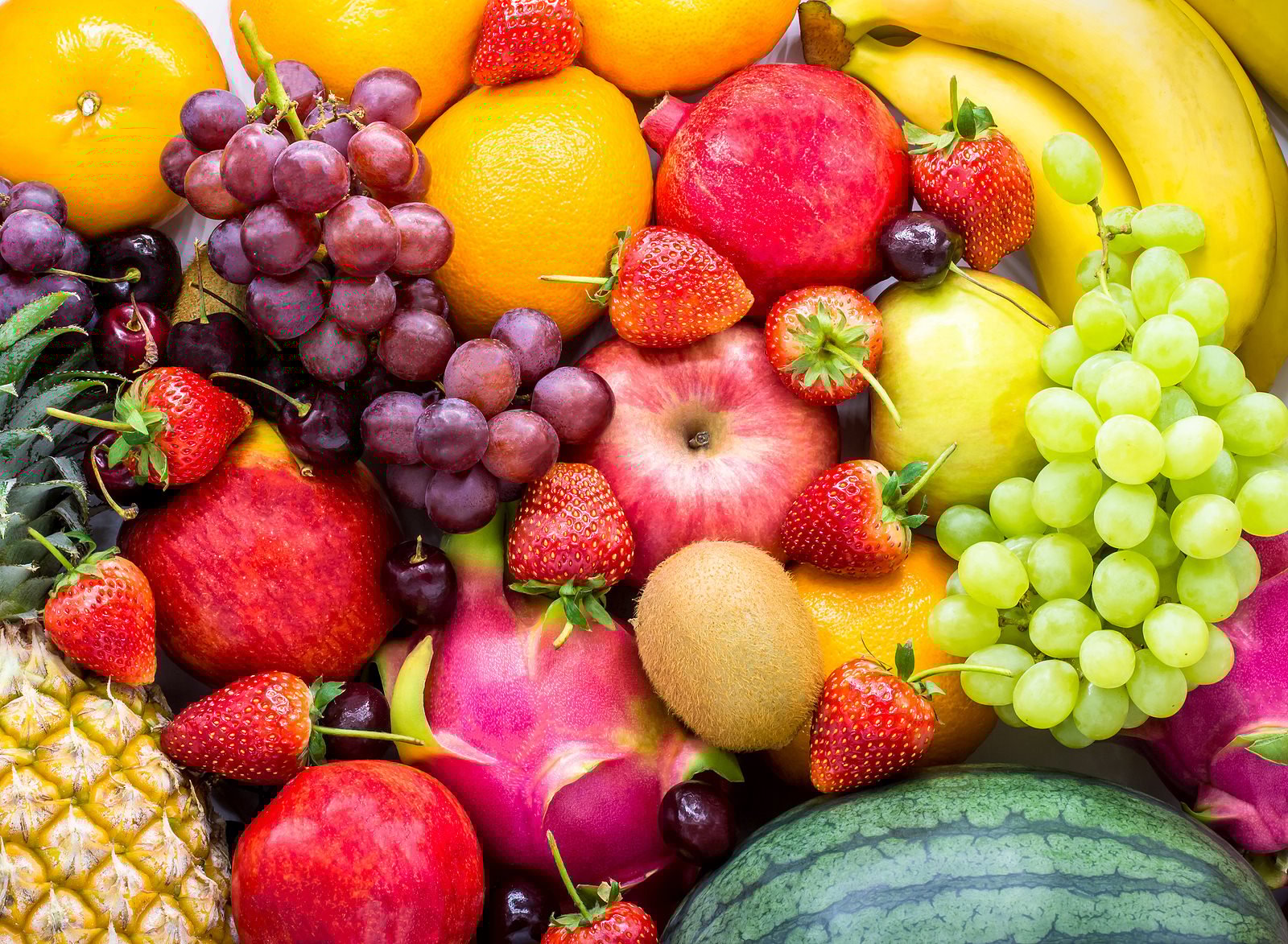
Year-round fruits you can pick in Costa Rica
Costa Rica grows dozens of tropical fruits thanks to its warm, humid climate, with many available year-round in local markets and backyards. The most commonly eaten tropical fruits include pineapple, mango, banana, papaya, guava, passion fruit (maracuyá), avocado, watermelon, melon, carambola (star fruit), and rambutan, alongside a long list of rarer and hyper-local varieties such as guanábana (soursop), mamey sapote, pejibaye (peach palm), and dragon fruit (pitahaya).
Major year-round fruits in Costa Rica
These fruits are widely planted, exported, and sold in supermarkets and roadside stands up and down the country. Their production clusters around lowland and mid-elevation zones with reliable rainfall and warm temperatures, which are typical of most of Costa Rica's inhabited regions.

- Pineapple - Costa Rica is one of the world's largest exporters, especially from the northern lowlands around San Carlos and Upala; fresh fruit is available year-round though volumes peak in dry-season months.
- Banana - Cavendish and local "criollo" bananas grow in the Caribbean and Pacific lowlands, with harvests staggered so that bunches appear in markets every month.
- Mango - Multiple varieties ripen from December through May, but small orchards and backyard trees often bear fruit in overlapping waves that keep some mangoes on the market all year.
- Papaya - Fast-growing, herby trees produce fruit in cycles, so supermarkets and farmers' markets rarely go a full month without ripe papayas.
- Guava - Small, fragrant trees are common in rural areas; they flower and fruit several times per year, giving a steady supply of fragrant pink or white guavas.
- Passion fruit (maracuyá) - Vines in the highlands and Pacific mid-elevations produce fruit in flushes, with a noticeable bump in March-May and August-December.
- Avocado - Hass and local varieties are grown in higher-elevation zones such as Cartago and Turrialba, where cooler temperatures allow continuous flowering and staggered harvests.
- Watermelon (sandía) - Large fields in Guanacaste and the Central Pacific yield fruit mainly in the dry season, but controlled irrigation and staggered planting keep some watermelons available even in transitional months.
Climate and growing seasons
Costa Rica's fruit calendar is shaped by its two main seasons: a dry period from December to April and a rainy season from May to November. Many lowland fruits such as pineapple, banana, and papaya thrive in warm, humid conditions, so they flower and fruit continuously, while others like watermelon and melon are more tightly tied to the sunnier months.
Highland regions such as Cartago and the Central Valley host more temperature-sensitive tropical fruit vines and trees, including passion fruit and certain avocado varieties. These plants often have two or three flowering waves per year, which translates into multiple harvest windows rather than a single locked-in season.
Lesser-known but commonly grown fruits
Beyond the supermarket staples, Costa Rican farmers and backyard gardeners cultivate a wide array of lesser-known fruits that are still easy to find in local markets.
- Guanábana (soursop) - Spiky, green, large fruits with creamy, tangy flesh; grown in hot lowlands and mid-elevations, especially in Guanacaste and Puntarenas.
- Mamey sapote - Large, brown fruits with orange flesh and a malty, sweet flavor; trees are planted in drier Pacific regions and yield fruit in late summer and early fall.
- Pejibaye (peach palm) - A starchy palm fruit traditionally boiled and eaten as a snack; it is grown in the Caribbean and northern lowlands, with harvests peaking in the rainy season.
- Rambutan - Hairy red fruits with juicy, grape-like flesh; grown in the Pacific slope and Caribbean coast, typically from June to October.
- Dragon fruit (pitahaya) - Cactus-grown fruit with bright pink skin and magenta flesh; several varieties are now cultivated in Guanacaste and southern regions, with production starting in late spring.
- Star fruit (carambola) - Waxy, yellow fruits that slice into five-pointed stars; small trees are common in home gardens and produce fruit in several flushes.
- Tamarind - Long brown pods with sticky, tangy pulp; used in juices and sauces and found in dry-zone markets like Guanacaste.
Representative Costa Rican fruit calendar (by month)
The table below summarizes which major fruits are most reliably available in Costa Rican markets throughout the year. Dates are generalized to reflect typical harvest windows, not strict month-by-month guarantees.
| Fruit | Typical peak months | Notes on availability |
|---|---|---|
| Pineapple | Dec-Apr | Year-round in markets due to large commercial farms and staggered harvests. |
| Banana | Year-round | Continuous production in Caribbean and Pacific lowlands; some local varieties peak in rainy season (Jun-Nov). |
| Mango | Dec-May | Multiple varieties create a long window; some small trees may fruit sporadically in other months. |
| Papaya | Year-round | Fast-growing trees yield fruit in overlapping cycles, especially in coastal and lowland farms. |
| Guava | Mar-Jun, Aug-Oct | Two main flowering periods yield fruit in spring and later in the year. |
| Passion fruit (maracuyá) | Mar-May, Aug-Dec | Highland vines produce two strong harvests; small backyard vines may fruit more irregularly. |
| Watermelon (sandía) | Dec-Apr | Dry-season sun and irrigation allow large plantings; some off-season supply in coastal areas. |
| Avocado | Apr-Dec (varies by variety) | Highland farms and backyard trees stagger flowering so fruit appears almost continuously. |
| Rambutan | Jun-Oct | Concentrated season in Pacific and Caribbean regions; limited outside these months. |
| Dragon fruit | May-Nov | Emerging crop; not yet ubiquitous but increasingly common in Guanacaste and southern markets. |
What fruit festivals or events exist in Costa Rica?
Several towns host fruit festivals that celebrate local harvests. For example, the annual Pineapple Festival in Upala showcases new pineapple varieties and local recipes, while the town of Liberia holds a Guava Festival featuring guava-based desserts and juices. Smaller celebrations in coastal and highland communities highlight pejibaye, guanábana, and dragon fruit, drawing both
What are the most common questions about What Fruits Grow In Costa Rica Year Round Might Shock You?
What fruits are grown commercially in Costa Rica?
Costa Rica's main commercial fruits for both export and domestic consumption are pineapple, banana, watermelon, melon, avocado, and citrus. Large agribusinesses focus on pineapple and banana plantations in the northern and Caribbean lowlands, while family farms and cooperatives supply papaya, guava, mango, and watermelon to local supermarkets and exporters.
Which fruits are native or traditional to Costa Rica?
While many tropical fruits in Costa Rica were introduced from elsewhere in the tropics, some are deeply traditional in the national diet. These include guava, pejibaye, guanábana, mamey sapote, and chirimoya. Indigenous and early colonial communities used these fruits for food, medicine, and shade trees, and they remain staples at markets and roadside stands.
Are exotic fruits like dragon fruit and rambutan easy to find?
Dragon fruit and rambutan are no longer rare curiosities in Costa Rica. Dragon fruit farms have expanded in Guanacaste since the early 2020s, and it now appears in mainstream supermarkets and farmers' markets. Rambutan is more common in Pacific and Caribbean towns but can still be scarce in smaller inland cities, especially outside its main growing season.
Can you find berries in Costa Rica?
True berries such as blueberries, strawberries, or raspberries are not widely grown in Costa Rica's lowlands because they need cooler temperatures. Small-scale strawberry farms exist in higher-elevation regions like Orosí and the Talamanca mountains, but they are limited and seasonal. Most Costa Ricans consume "berries" through imported frozen fruit or processed products rather than fresh local fields.
How does geography affect what fruits grow where?
Costa Rica's steep topography and varied microclimates mean that different fruits dominate in different regions. The Caribbean lowlands favor banana and plantain plantations, while the northern Pacific lowlands specialize in pineapple and guava. Highlands around Cartago and the Central Valley support avocado, pejibaye, and passion fruit. Dry Pacific regions like Guanacaste grow watermelon, melon, and an increasing number of dragon fruit cactus farms.
Are there any fruits you can pick yourself in Costa Rica?
Eco-lodges, farm tours, and small agrotourism operations across Costa Rica now offer fruit-picking experiences. Visitors can harvest pineapple, banana, papaya, and guava on guided tours, while some farms in the Pacific allow guests to pick ripe mangoes from trees. In the Caribbean and southern Pacific, agro-tours sometimes include stops at guanábana or rambutan orchards, where guests can see the fruit-bearing trees and taste freshly cut samples.
What fruits are best to try if you're visiting Costa Rica?
For first-time visitors, a short list of must-taste fruits includes mango, papaya, guanábana juice, maracuyá (passion fruit), and pejibaye. Many Costa Ricans eat pejibaye boiled with a pinch of salt, while maracuyá is blended into smoothies or mixed into "agua de sabor." Street vendors in city markets often sell tropical fruit cups combining pineapple, mango, papaya, and watermelon, sometimes drizzled with chili powder or lime.
Are Costa Rican fruits safe to eat for tourists?
Locally grown fresh fruits in Costa Rica are generally safe to eat if they are purchased from reputable vendors and washed or peeled properly. Markets and supermarkets in cities such as San José, Liberia, and Quepos follow national agricultural hygiene standards for handling and transport. Travelers are usually advised to avoid eating unpeeled fruits from roadside stands unless they can wash them with treated water or peel them themselves.
How do Costa Rican farmers store and ship fruits?
Large commercial farms use cold-chain logistics and climate-controlled packing houses to maintain the quality of export-oriented fruits such as pineapple, banana, and papaya. These facilities calibrate ripening temperatures so that fruit arrives in North American and European supermarkets at the right stage of maturity. Smaller producers rely more on quick transport to local markets, where fruits are sold within 24-48 hours of harvest to minimize spoilage.
What impact do fruits have on Costa Rica's economy?
Fruit exports, especially pineapple and banana, account for a significant share of Costa Rica's agricultural income. In 2023, pineapple exports alone generated roughly USD 1.2 billion, with most volume going to the United States and European Union. The banana industry supports tens of thousands of rural jobs and forms the backbone of several Caribbean-zone municipalities. Even smaller fruits like dragon fruit and rambutan are now contributing to regional diversification, helping farmers reduce dependence on a single crop.
How does climate change affect fruit production?
Warmer, more erratic weather patterns are beginning to influence the timing and yields of key Costa Rican fruits. Studies from the Tropical Agricultural Research and Higher Education Center (CATIE) indicate that heavier rains in some lowland zones can delay pineapple flowering, while prolonged dry spells in Guanacaste can reduce watermelon yields. Farmers are adapting by investing in irrigation, diversifying into less water-intensive crops like dragon fruit, and shifting planting schedules to match changing rainfall cycles.
What fruits are commonly used in Costa Rican cooking?
Banana and plantain appear in savory dishes such as "plátano en tentacion" and "patacones," while pejibaye is a breakfast staple boiled and served with cheese. In desserts, guava and guanábana are turned into preserves, juices, and ice cream. Street food vendors often incorporate mango, pineapple, and papaya into fruit cups and "agua de sabor" drinks sold from carts and kiosks.
How can you tell when a fruit is ripe in Costa Rica?
Each tropical fruit has its own ripeness cues. Ripe mangoes should yield slightly to gentle pressure and have a sweet, fruity aroma at the stem. Pineapples are best when the leaves are green and the skin has a golden tint with a faint perfume. Guavas that are yellow or pink and soft at the ends are usually ready to eat, while firm, green ones are better for cooking. For passion fruit, a slightly wrinkled skin and heavy weight indicate juiciness and sweetness.
What are the health benefits of Costa Rican fruits?
Typical Costa Rican fruits such as mango, papaya, and guava are rich in vitamin C, dietary fiber, and antioxidants. Studies published by Costa Rica's national nutrition institute in 2022 found that regular consumption of local fruits correlates with lower rates of metabolic syndrome in rural communities. Avocado and pejibaye add heart-healthy fats and complex carbohydrates, while banana provides potassium and quick-release energy, making them popular among field workers and athletes.
How do local markets differ from supermarkets in fruit selection?
Local markets in towns such as San Vito, Puntarenas, and Upala offer a wider variety of lesser-known fruits like guanábana, rambutan, and mamey sapote, while supermarkets focus on mass-market staples such as banana, pineapple, watermelon, and avocado. In rural markets, vendors often sell fruits harvested within the past 12-24 hours, whereas supermarkets rely on regional distribution centers that may keep fruit in transit and storage for several days.
