Volcanoes And National Parks In El Salvador Feel Underrated
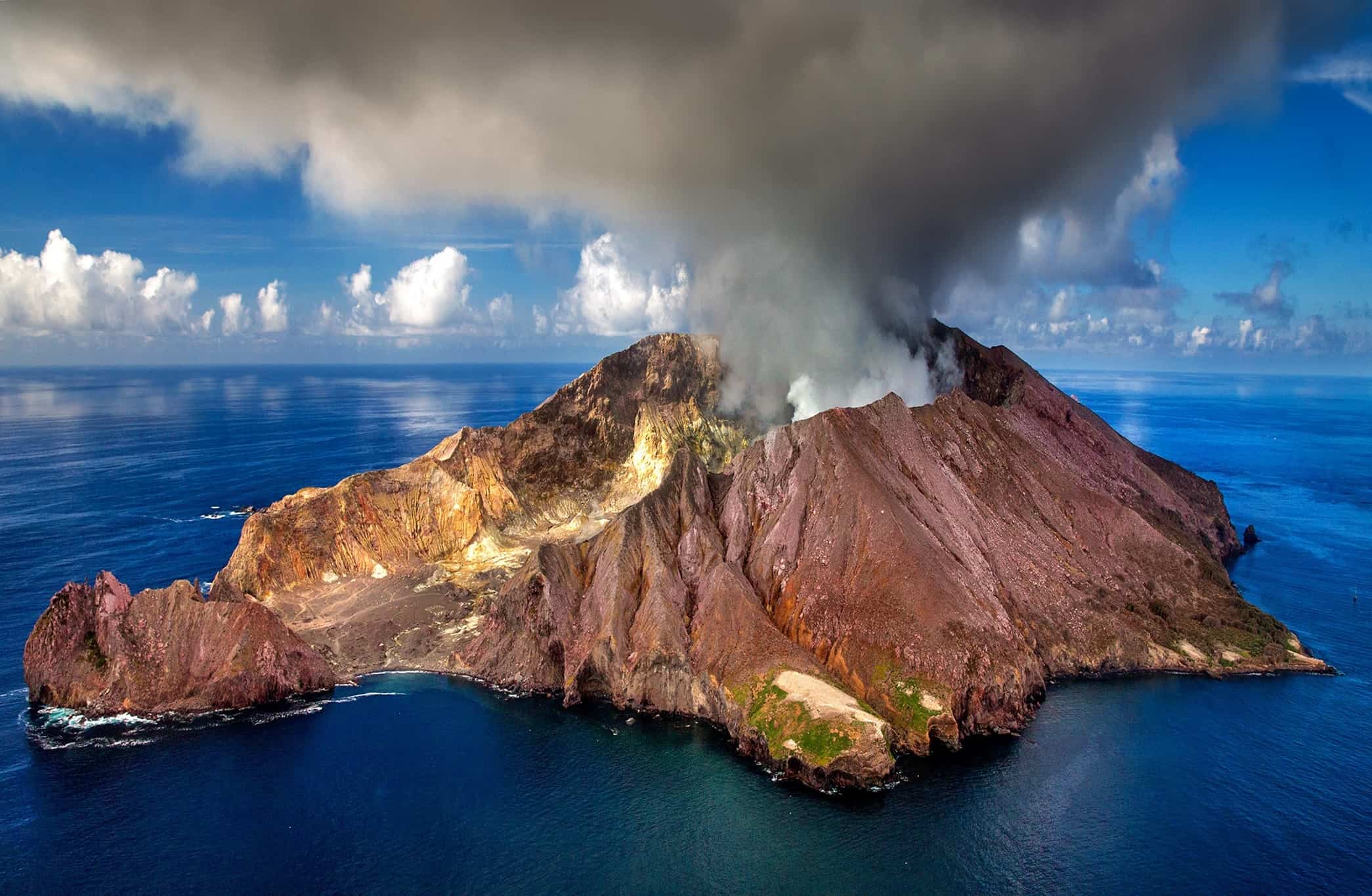
El Salvador's landscape is defined by a dense chain of more than 20 active and dormant volcanoes and a network of protected natural areas, with standout destinations like Santa Ana Volcano, Izalco Volcano, and national parks such as El Boquerón and El Imposible National Park. These sites offer accessible hiking, crater views, biodiversity hotspots, and volcanic lakes, making the country one of Central America's most compact yet diverse eco-tourism destinations.
Volcanoes That Shape El Salvador
El Salvador sits along the Pacific Ring of Fire, and its volcanic chain stretches west to east across the country, influencing everything from soil fertility to tourism. According to the Salvadoran Ministry of Environment (MARN), at least 5 volcanoes have shown activity since 1900, with Santa Ana's 2005 eruption being the most recent major event. This geological activity has created dramatic landscapes, crater lakes, and fertile coffee-growing regions.

- Santa Ana Volcano (Ilamatepec): Highest volcano at 2,381 meters, known for its turquoise crater lake.
- Izalco Volcano: Nicknamed "Lighthouse of the Pacific" due to near-constant eruptions from 1770 to 1958.
- San Salvador Volcano: Overlooks the capital city, featuring the El Boquerón crater.
- San Miguel Volcano (Chaparrastique): One of the most active volcanoes, with eruptions recorded as recently as 2013.
- Conchagua Volcano: Offers panoramic views of the Gulf of Fonseca and neighboring countries.
Each of these iconic volcanoes plays a role in both tourism and risk management, with government-monitored alert systems and guided hiking routes ensuring visitor safety. Experts estimate that over 60% of El Salvador's agricultural productivity is linked to volcanic soil enrichment.
National Parks and Protected Areas
El Salvador's national parks protect ecosystems shaped by volcanic activity and tropical climate, with protected landscapes covering roughly 12% of the country's territory as of 2024. These parks preserve biodiversity, including endangered species such as the turquoise-browed motmot and ocelot.
- El Boquerón National Park: Located atop San Salvador Volcano, features a 1.5 km-wide crater.
- Los Volcanes National Park: Encompasses Santa Ana, Izalco, and Cerro Verde.
- El Imposible National Park: Largest park, spanning over 5,000 hectares of tropical forest.
- Montecristo National Park: Cloud forest ecosystem near the tri-border with Guatemala and Honduras.
- Walter Thilo Deininger Park: Coastal forest reserve with caves and cliffs.
These national reserves attract more than 1.2 million visitors annually, according to 2023 tourism data, with Los Volcanes National Park accounting for nearly 40% of that traffic due to its accessibility and iconic peaks.
Top Volcano and Park Experiences
Travelers visiting El Salvador often combine multiple sites in a single trip due to the country's compact size, allowing immersive exploration of volcanic ecosystems within a few days. The Ministry of Tourism reports that average travel time between major volcanoes is under two hours.
- Hike Santa Ana Volcano at sunrise for clear views into its sulfur lake.
- Walk the rim of El Boquerón crater and explore its interpretive trails.
- Camp in Cerro Verde National Park with views of Izalco's cone.
- Birdwatch in El Imposible National Park, home to over 400 species.
- Visit Montecristo's cloud forest for rare orchids and cooler temperatures.
These guided activities are often led by certified local experts, with daily tour costs ranging from $25 to $75 depending on the destination and services included.
Volcano and Park Data Overview
The following table summarizes key data about major volcanoes and national parks, providing a quick reference for travelers and researchers interested in environmental statistics.
| Site | Type | Elevation (m) | Last Activity | Annual Visitors (Est.) |
|---|---|---|---|---|
| Santa Ana | Volcano | 2,381 | 2005 | 120,000 |
| Izalco | Volcano | 1,950 | 1958 | 80,000 |
| El Boquerón | National Park | 1,893 | N/A | 250,000 |
| El Imposible | National Park | 1,425 | N/A | 60,000 |
| Montecristo | National Park | 2,418 | N/A | 30,000 |
This comparative dataset highlights how volcanic sites and protected parks overlap in ecological and tourism importance, with elevation and accessibility strongly influencing visitor numbers.
Historical and Geological Context
El Salvador's volcanic history dates back millions of years, with tectonic activity along the Cocos and Caribbean plates forming the country's geological backbone. Spanish colonial records from the 16th century describe eruptions that reshaped settlements, while modern monitoring began in the early 1900s.
According to a 2022 report by the Central American Integration System (SICA), El Salvador experiences an average of 50-70 minor seismic or volcanic-related tremors annually, though most are not felt by residents. This ongoing activity reinforces the importance of disaster preparedness systems and scientific monitoring.
"El Salvador's volcanoes are both a natural hazard and a national asset, driving tourism, agriculture, and scientific research," said a 2024 statement from MARN's Volcanology Unit.
Biodiversity and Conservation Impact
The intersection of volcanic terrain and tropical climate creates highly diverse ecosystems, making El Salvador a key site for biodiversity conservation. National parks host over 500 bird species, 100 mammal species, and thousands of plant varieties, many endemic to the region.
Conservation programs launched between 2018 and 2024 have increased forest cover in protected areas by approximately 8%, according to government data. These initiatives focus on reforestation, anti-poaching enforcement, and sustainable tourism tied to eco-friendly travel.
Travel Tips and Accessibility
El Salvador's compact geography makes it one of the easiest countries in Central America to explore, with most volcanoes and parks accessible via paved roads and short hikes. The rise of adventure tourism has led to improved infrastructure, including visitor centers and marked trails.
- Best time to visit: November to April (dry season).
- Entry fees: Typically $1-$6 for national parks.
- Guides: Mandatory for some hikes like Santa Ana.
- Safety: Check volcanic activity alerts before visiting.
- Transport: Rental cars or guided tours are recommended.
These practical considerations help ensure safe and efficient travel, especially for first-time visitors unfamiliar with volcanic terrain.
FAQs
Helpful tips and tricks for Volcanoes And National Parks In El Salvador Feel Underrated
What are the most famous volcanoes in El Salvador?
The most famous volcanoes include Santa Ana, Izalco, San Salvador, and San Miguel, each known for unique features such as crater lakes, historical eruptions, or proximity to major cities.
How many national parks are in El Salvador?
El Salvador has over a dozen protected natural areas, with key national parks including El Boquerón, El Imposible, Montecristo, and Los Volcanes National Park.
Is it safe to visit volcanoes in El Salvador?
Yes, most volcanoes are safe to visit when following official guidelines, using certified guides, and checking activity updates from MARN.
What is the best national park to visit?
Los Volcanes National Park is often considered the best due to its combination of Santa Ana, Izalco, and Cerro Verde, offering diverse landscapes in one location.
When is the best time to explore volcanoes and parks?
The dry season from November to April provides the best conditions for hiking, visibility, and safe travel across volcanic terrain.
