Surf In San Salvador Sounds Odd-But Here's The Truth
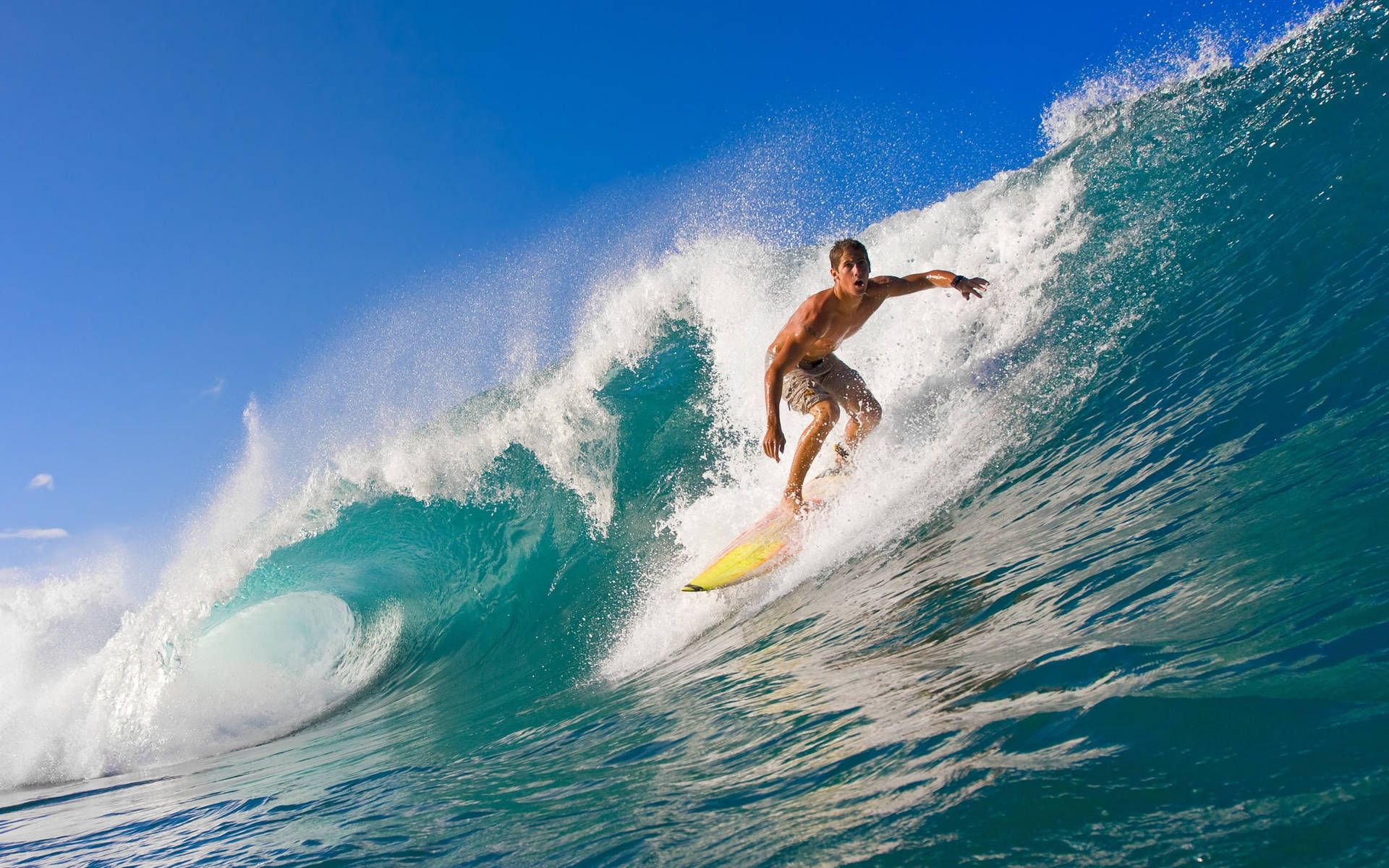
Surf in San Salvador? What Most Travelers Don't Expect
The short answer is yes: San Salvador surf usually means surfing the nearby Pacific coast, not the capital itself, and the best-known breaks are in the La Libertad and Surf City corridor about an hour or so from downtown. Travelers are often surprised by how compact the surf zone is, how warm the water stays, and how many high-quality point breaks sit within a short drive of the city.
What most visitors do not expect is that El Salvador packs a serious surf lineup into just 190 miles of coastline, with a reputation built on long right-hand points, consistent south swells, and a government-backed tourism push branded as Surf City. That combination makes the country unusually efficient for a surf trip: you can stay in or near San Salvador, leave after breakfast, surf all day, and still be back for dinner if you want a city base.
Why San Salvador Works
San Salvador is not the beach town; it is the logistics hub. The capital gives you better hotel choice, more restaurants, more reliable transport options, and easier access to flights and services than a smaller surf village. For many travelers, that makes it a practical home base while using the coast as a day-trip or short-transfer surf zone.
The biggest surprise is how quickly the terrain changes once you head west toward La Libertad. In less than two hours, the urban landscape gives way to a string of surf towns and breaks that are now widely marketed as part of the country's surf corridor. That corridor includes some of the most recognizable names in Central American surfing, especially Punta Roca and El Sunzal.
"El Salvador may be Central America's smallest nation, but what it lacks in size it makes up for in the quality of surf."
Best Areas To Surf
If you are searching for surf near San Salvador, the most practical answer is La Libertad. This area concentrates the strongest mix of famous breaks, beginner-friendly waves, surf camps, and beach access points, which is why many guides treat it as the center of the country's surf scene. The zone has become the default choice for first-timers and experienced surfers alike.
- Punta Roca, a powerful right-hand point break known for long, hollow rides and advanced conditions.
- El Sunzal, a more forgiving point break with consistent rides and strong appeal for longboarders.
- La Bocana, a versatile beach break near a river mouth with both lefts and rights.
- El Zonte, a popular wave with long peeling rights and a relaxed surf-town atmosphere.
- Las Flores, farther east and more swell-dependent, but worth considering for a longer surf itinerary.
The most common mistake is assuming every Salvadoran wave is the same. In reality, the coastline offers a range of point breaks and beach breaks, which means the conditions can shift from beginner-friendly peelers to steep, powerful takeoffs depending on the spot and the swell angle. That variety is one reason the country has gained a reputation far beyond its size.
| Break | Best For | Wave Type | Typical Feel |
|---|---|---|---|
| Punta Roca | Advanced surfers | Right point break | Fast, hollow, long rides |
| El Sunzal | Beginners to intermediates | Point break | Mellow, consistent, forgiving |
| La Bocana | Mixed skill levels | Beach break | Variable, fun, tide-sensitive |
| El Zonte | Intermediates | Point break | Long, clean, social |
When To Go
Seasonality matters, but not as much as many travelers think. The dry season from roughly November to April usually brings sunnier weather and cleaner offshore conditions, while the wet season from May to October typically produces larger southern hemisphere swell. That means there is no bad season, only different goals.
If you want easier waves, less rain, and a more relaxed learning environment, the dry season is the better fit. If you want stronger, more powerful surf and do not mind afternoon showers, the wet season is often the better choice for experienced surfers. In practical terms, many travelers target a window between May and September for the most reliable size, while others prefer the calmer months for comfort and consistency.
- Choose the dry season if you want smaller, cleaner waves and better weather.
- Choose the wet season if you want bigger swell and more challenging surf.
- Choose shoulder periods if you want a balance of manageable crowds and decent conditions.
- Always check local tide behavior, since some breaks perform much better at specific stages of the tide.
What Travelers Misjudge
The biggest surprise is that San Salvador travel is often more urban and convenient than beach-focused visitors expect. Many first-time surfers imagine a sleepy coast with backpacker-only infrastructure, but the reality is a hybrid trip where city services, surf logistics, and coastal culture overlap. That can be a major advantage if you want comfort without sacrificing wave quality.
Another common misread is crowding. As El Salvador's profile has risen, the most famous breaks can attract a steady lineup, especially on good swell days and around peak travel windows. The upside is that the surf scene is now more organized than in the past, with more camps, guides, board rentals, and transport options than many travelers anticipate.
Practical Trip Plan
A smart first trip usually starts in San Salvador, moves west to La Libertad, and stays near the breaks rather than commuting every day from the capital. That approach cuts down on traffic stress and gives you early access to the morning wind window, which is often the cleanest part of the day. It also lets you split sessions between more powerful point breaks and softer learner-friendly waves.
For a short visit, build your plan around one main area rather than trying to surf the whole coastline. La Libertad alone can support several days of varied sessions, while a longer trip can add eastern breaks like Las Flores or Punta Mango. The result is a trip that feels organized instead of rushed, even if you only have a few days.
Who It Suits
This destination works especially well for surfers who want high wave quality without the complexity of a remote island trip. It is a strong match for intermediates chasing long rides, advanced surfers looking for hollow rights, and beginners who want warm water and access to lessons. It also suits travelers who like to combine surf with food, culture, and easy transport.
It is less ideal for people who want a completely secluded surf escape, because the best-known zones are now firmly on the map. But that visibility is also part of the appeal: the country has turned a once-overlooked coast into one of the most efficient surf trips in the region, and the combination of access, consistency, and variety is hard to ignore.
FAQ
What To Expect
The most useful expectation is this: coastal access is what makes San Salvador relevant to surfers, not oceanfront lodging in the city itself. Once you understand that, the destination becomes much easier to plan, because the capital functions as the gateway to a genuinely world-class surf coast.
For a traveler reading the map for the first time, San Salvador may look inland and disconnected from the surf story. In practice, it is the starting point for one of the most efficient surf trips in Central America, and that is why so many visitors leave surprised by how much wave quality sits just beyond the city.
Everything you need to know about Surf In San Salvador Sounds Odd But Heres The Truth
Can you surf in San Salvador?
Yes, but the actual surf spots are on the Pacific coast near La Libertad rather than in the city itself. San Salvador works best as a base for reaching the nearby breaks quickly and comfortably.
What is the best surf spot near San Salvador?
Punta Roca is the most famous advanced wave near San Salvador, while El Sunzal is often the best all-around choice for mixed ability levels. La Bocana and El Zonte are also excellent options depending on skill and conditions.
Is El Salvador good for beginner surfers?
Yes, especially around El Sunzal and some sections of the La Libertad coast, where the waves can be more forgiving and surf lessons are widely available. Beginners still need to choose the right break and the right tide.
When is the best time to surf in El Salvador?
The dry season from November to April is usually best for smaller, cleaner conditions, while May to October often brings larger swell and more powerful waves. The best timing depends on whether you want easier surf or bigger surf.
Is it safe to surf near San Salvador?
Surfing areas in El Salvador have improved significantly in visibility and tourism support, but travelers should still use normal travel caution, stay aware of local guidance, and arrange transport wisely. Most surfers simplify the trip by staying near established surf towns and booking known accommodations or guides.