Salmon Ahumado Durante El Embarazo-should You Avoid It?
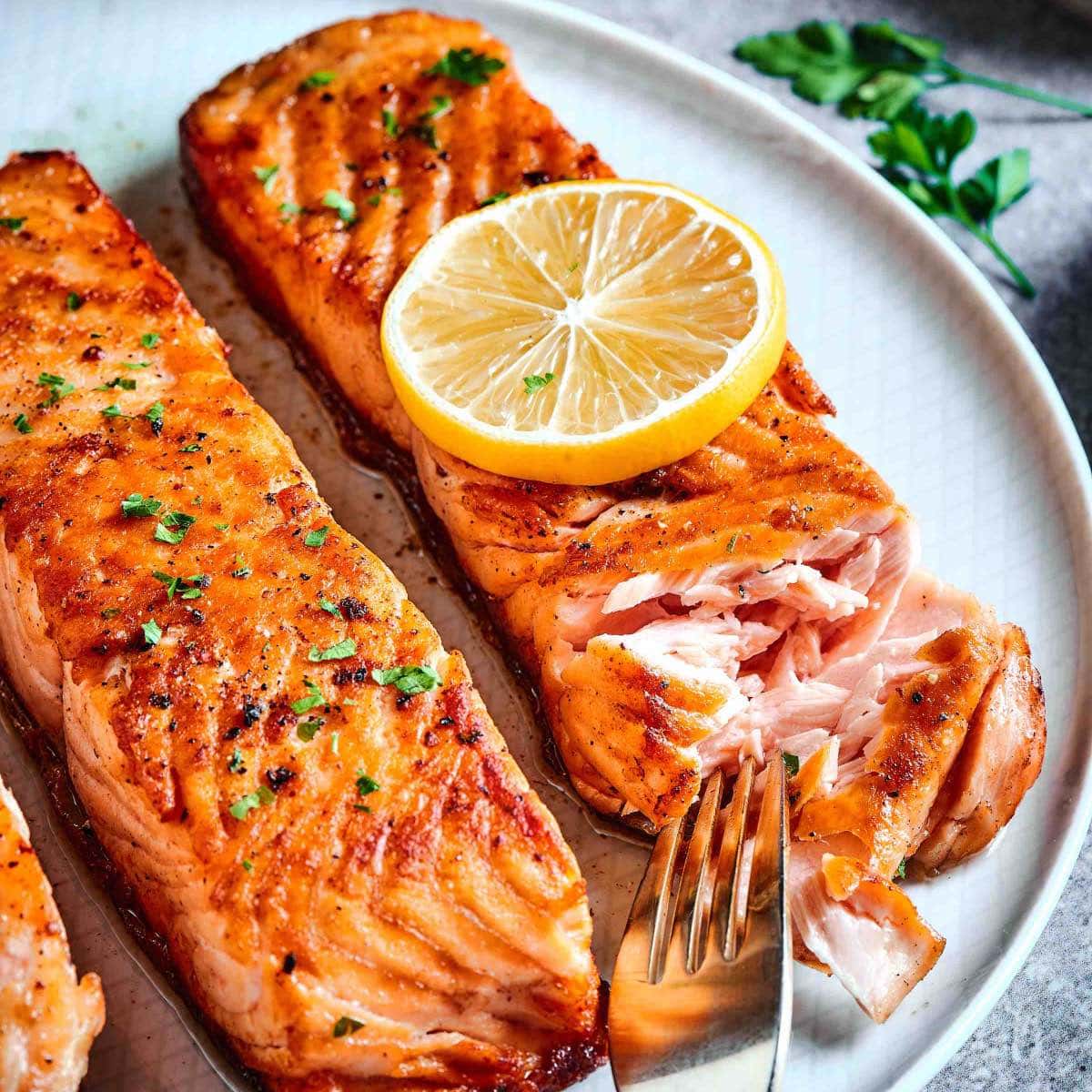
Smoking risk during pregnancy is the main issue: cold-smoked salmon is generally best avoided unless it has been thoroughly cooked in a hot dish, because pregnancy increases the stakes of foodborne infection such as listeriosis.
What the guidance means
Smoked salmon is not the same as fully cooked salmon. Cold-smoking preserves the fish without reliably reaching a temperature that kills all harmful bacteria, while hot-smoked or baked salmon is much safer because it has been heated enough to reduce that risk.

That distinction matters in pregnancy because even a rare infection can have serious consequences for both parent and baby. The practical rule is simple: raw, cold-smoked, and refrigerated ready-to-eat fish should be treated cautiously; salmon that is cooked until opaque and flaky is the safer choice.
Why the concern is real
Listeria monocytogenes is the bacterium most often cited in pregnancy guidance about smoked fish. It can grow at refrigerator temperatures, which means the usual "kept cold" safety assumption does not fully protect you.
Pregnancy also changes immune response, which makes foodborne illness more consequential even when symptoms in others might be mild. Because of that, many clinicians and food-safety authorities favor precaution over trying to judge every package of smoked fish individually.
When salmon is safer
Cooked salmon is usually the safest way to keep salmon in the diet during pregnancy. Baking, grilling, steaming, or adding salmon to a hot casserole or pasta dish brings the fish to a temperature that greatly reduces bacterial risk.
Hot-smoked salmon is generally safer than cold-smoked salmon, but packaging and handling still matter. If a product is meant to be eaten straight from the fridge, it deserves more caution than fish that will be reheated thoroughly before eating.
Practical rules
- Avoid cold-smoked salmon served chilled, especially from deli counters, buffets, or open packages that have been sitting in the fridge.
- Choose fully cooked salmon instead, with flesh that is opaque and flakes easily.
- Reheat only if appropriate and make sure any fish added to a dish is steaming hot throughout.
- Check storage dates and discard any product that is past its use-by date or has an unusual smell, texture, or packaging damage.
- Be extra careful if the fish is vacuum-packed and eaten without further cooking.
Risk and choice table
| Fish type | Typical pregnancy risk | Best use |
|---|---|---|
| Cold-smoked salmon | Higher caution | Avoid unless cooked thoroughly in a hot dish |
| Hot-smoked salmon | Lower caution | Acceptable if fully heated and handled safely |
| Baked or grilled salmon | Lowest concern | Preferred option during pregnancy |
| Sushi or sashimi | Higher caution | Avoid during pregnancy |
How to keep omega-3 benefits
Omega-3 intake still matters during pregnancy, and salmon remains one of the best dietary sources. You do not need smoked salmon specifically to get those nutrients; cooked salmon, sardines, trout, and pregnancy-safe prenatal supplements can all help.
If your goal is to support fetal brain and eye development, the nutrient benefit of salmon is real, but it is not worth trading for avoidable infection risk. A cooked salmon meal provides the same broad nutritional upside with much less worry.
What to do in real life
- Pick cooked fish as your default salmon option during pregnancy.
- Read the label to see whether the product is cold-smoked, hot-smoked, or ready-to-eat.
- Heat it fully if you decide to eat smoked salmon in a cooked dish.
- Skip uncertain sources such as buffet trays, deli platters, and long-opened packages.
- Use your prenatal visit to confirm any diet questions if you have a history of foodborne illness or a high-risk pregnancy.
Food safety signs
Storage safety is just as important as cooking safety. Refrigeration slows bacterial growth, but it does not guarantee that a chilled ready-to-eat fish product is safe for pregnancy.
Pay attention to use-by dates, keep the fridge cold, and avoid leaving fish out at room temperature. If a product has been handled multiple times or shared from an open serving tray, the risk profile becomes less predictable.
"When in doubt, cook it out." This simple rule is a reliable shortcut for pregnancy food safety when dealing with smoked or ready-to-eat seafood.
Bottom line
Pregnancy safety favors caution: cold-smoked salmon is usually something to avoid, while salmon that is thoroughly cooked is a good and nutritious choice. The key difference is temperature, because proper cooking helps neutralize the infection risk that cold smoking cannot fully remove.
So the practical answer is yes, you can still enjoy salmon during pregnancy, but choose the cooked version and treat chilled smoked salmon as an exception rather than a staple.
Expert answers to Salmon Ahumado Durante El Embarazo Should You Avoid It queries
Can I eat smoked salmon on a bagel?
No, not if it is cold-smoked salmon served straight from the fridge; that is the version most often avoided in pregnancy because it is ready to eat without a kill step.
Is hot-smoked salmon safe?
It is generally safer than cold-smoked salmon because it has been heated more thoroughly, but it should still be handled carefully and eaten only if properly stored and fully hot when served.
What if I already ate some?
One small exposure does not mean something bad will happen, but contact your clinician promptly if you develop fever, muscle aches, vomiting, diarrhea, or flu-like symptoms after eating a risky food.
Can I get the same nutrients another way?
Yes, cooked salmon, other low-mercury fish, and prenatal supplements can provide the nutrients commonly sought from smoked salmon without the same food-safety concern.