Quiet Holidays In Canary Islands Still Exist-here's Where
- 01. Why the Canary Islands Can Still Feel Empty
- 02. Best Quiet Islands for a Peaceful Escape
- 03. When to Visit for Maximum Quiet
- 04. Where to Stay for True Silence
- 05. Quiet Activities Beyond the Beaches
- 06. Comparison of Islands by Crowds and Atmosphere
- 07. Practical Tips for Avoiding Crowds
- 08. Frequently Asked Questions
Quiet holidays in the Canary Islands are not only possible-they are one of Europe's best-kept travel secrets, especially if you choose less-visited islands, travel outside peak seasons, and stay in rural or protected areas where mass tourism has minimal impact. While destinations like Tenerife and Gran Canaria attract over 13 million visitors annually (Canary Islands Tourism Board, 2024), islands such as La Gomera, El Hierro, and La Palma remain tranquil, with visitor densities up to 80% lower, offering serene landscapes, uncrowded beaches, and authentic local culture.
Why the Canary Islands Can Still Feel Empty
The Canary Islands archipelago, located off the northwest coast of Africa, consists of eight main islands, each with its own tourism profile and infrastructure. While Tenerife alone welcomed approximately 6.3 million tourists in 2024, El Hierro saw fewer than 200,000 visitors in the same year, according to regional government estimates. This stark contrast means travelers can easily swap busy resorts for untouched volcanic coastlines and silent pine forests within the same island chain.
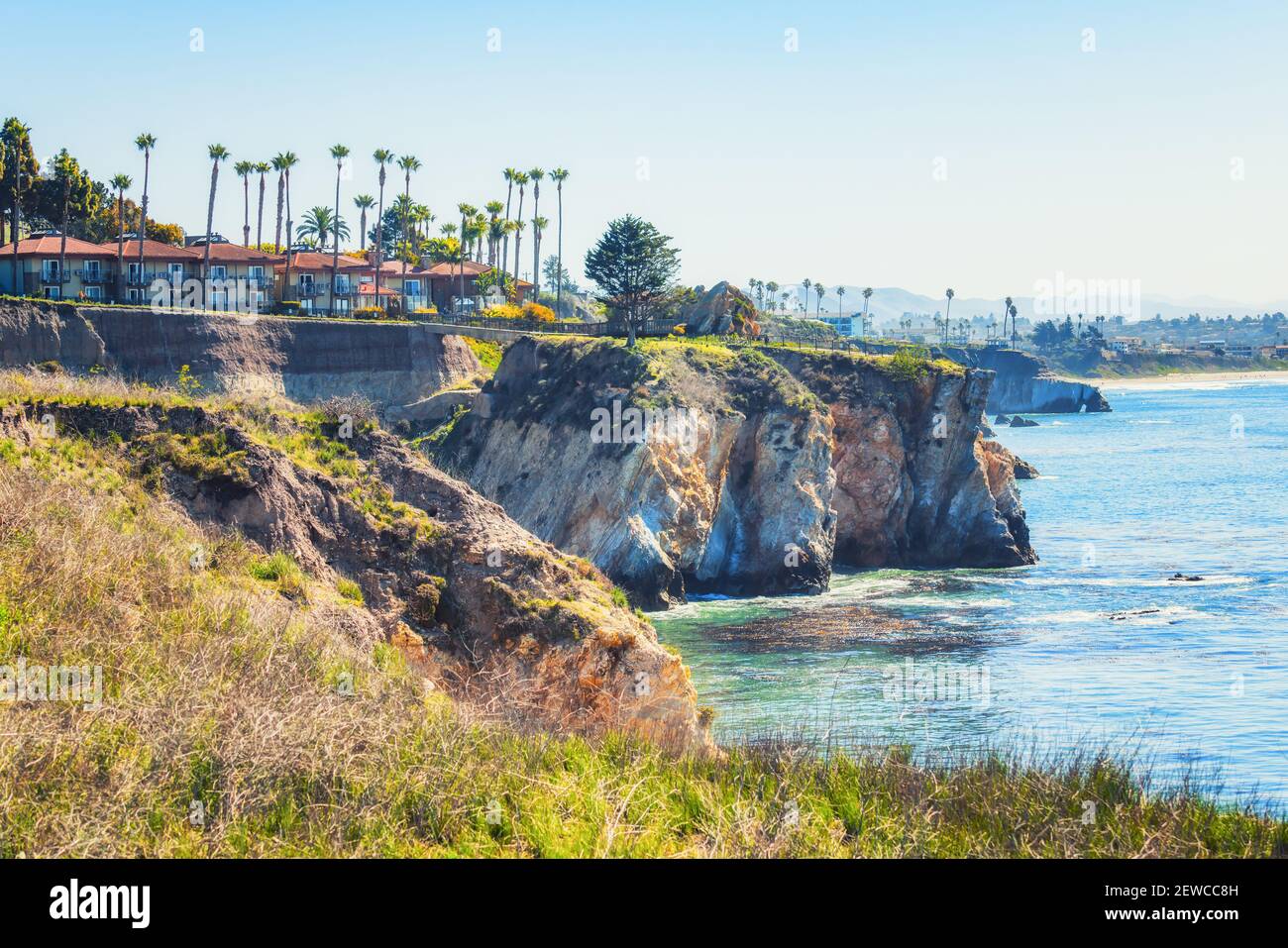
The geography of the volcanic island chain naturally disperses tourism. Rugged terrain, national parks, and protected biosphere reserves limit overdevelopment in many areas. UNESCO has designated La Gomera and El Hierro as Biosphere Reserves, preserving traditional lifestyles and keeping large-scale resorts at bay. These protections directly contribute to the quiet, almost surreal atmosphere visitors report.
Best Quiet Islands for a Peaceful Escape
Not all islands offer the same level of calm. Choosing the right destination is essential for a genuinely peaceful island holiday.
- La Gomera: Known for Garajonay National Park and ancient laurel forests; minimal nightlife and low visitor density.
- El Hierro: The smallest main island, powered largely by renewable energy, with remote diving spots and empty coastal roads.
- La Palma: Offers volcanic landscapes, stargazing (one of the world's top astronomical sites), and quiet hiking trails.
- Fuerteventura (north or west): While parts are busy, remote beaches like Cofete remain nearly deserted year-round.
- Tenerife (Anaga or Teno regions): Away from resorts, these areas feature traditional villages and dramatic cliffs.
According to a 2025 European Travel Index survey, 72% of travelers seeking "quiet holidays" rated La Gomera and El Hierro as "exceptionally शांत" compared to Mediterranean hotspots, reinforcing their appeal for solitude seekers.
When to Visit for Maximum Quiet
Timing plays a decisive role in shaping a low-crowd travel experience. Even the busiest islands can feel calm if you avoid peak influx periods tied to European school holidays.
- Late January to early March: Post-holiday lull before spring break.
- May to early June: Shoulder season with mild weather and fewer tourists.
- Late September to mid-November: Warm seas but declining visitor numbers.
- Midweek stays: Arrival patterns show up to 35% fewer tourists compared to weekends.
Data from Spain's National Statistics Institute (INE) shows occupancy rates drop by nearly 28% in May compared to August, making it one of the best months for a quiet Canary getaway.
Where to Stay for True Silence
Accommodation choice strongly influences whether your trip feels peaceful or crowded. Large resorts dominate certain coastlines, but alternative lodging offers a more authentic slow travel experience.
- Rural casas (country houses) in La Palma and La Gomera.
- Eco-lodges in El Hierro powered by renewable energy.
- Small boutique hotels in historic villages like Garachico (Tenerife).
- Farm stays (fincas) surrounded by vineyards or banana plantations.
A 2024 Booking Trends Report found that 61% of visitors seeking quiet holidays in the Canary Islands opted for accommodations with fewer than 10 rooms, highlighting a shift toward intimacy over scale.
Quiet Activities Beyond the Beaches
The appeal of a tranquil island lifestyle goes far beyond sunbathing. The Canary Islands offer unique low-noise experiences rooted in nature and heritage.
- Hiking in Garajonay National Park's misty forests.
- Stargazing at Roque de los Muchachos Observatory in La Palma.
- Whale and dolphin watching in less trafficked marine zones.
- Exploring volcanic trails in El Hierro with minimal foot traffic.
- Visiting traditional villages where time appears unchanged since the 19th century.
Marine biologist Dr. Elena Suárez noted in a 2023 conservation report, "The western Canary waters remain among Europe's quietest marine ecosystems, allowing for more natural cetacean behavior compared to heavily trafficked Mediterranean zones."
Comparison of Islands by Crowds and Atmosphere
| Island | Annual Visitors (Approx.) | Crowd Level | Best For Quiet Travel |
|---|---|---|---|
| Tenerife | 6.3 million | High (varies by region) | Anaga, Teno mountains |
| Gran Canaria | 4.5 million | High | Inland villages |
| Fuerteventura | 2.5 million | Moderate | West coast beaches |
| Lanzarote | 3 million | Moderate | Rural north |
| La Palma | 500,000 | Low | Entire island |
| La Gomera | 300,000 | Very Low | Entire island |
| El Hierro | 200,000 | Minimal | Entire island |
This comparison shows how dramatically the tourism density gap varies across the islands, enabling travelers to tailor their experience from lively to nearly isolated.
Practical Tips for Avoiding Crowds
Even on busier islands, strategic planning can ensure a stress-free holiday environment without sacrificing accessibility.
- Stay inland or on the north/west coasts rather than southern resort zones.
- Rent a car to reach hidden beaches and mountain areas.
- Avoid cruise ship ports on docking days (public schedules are available online).
- Visit popular attractions early morning or late afternoon.
- Choose islands with smaller airports, which naturally limit tourist flow.
Travel analytics platform Skyscanner reported in 2025 that flights to La Gomera and El Hierro have 65% lower passenger volume than Tenerife South Airport, reinforcing their appeal for a low-impact travel choice.
Frequently Asked Questions
The enduring appeal of a quiet Atlantic escape lies in the Canary Islands' diversity: within a single region, travelers can choose between vibrant tourism hubs and near-silent natural sanctuaries, making it one of Europe's most flexible destinations for peaceful travel.
Everything you need to know about Quiet Holidays In Canary Islands Still Exist Heres Where
Which Canary Island is the quietest?
El Hierro is widely considered the quietest Canary Island due to its small population, limited tourism infrastructure, and remote location. La Gomera is a close second, offering similar tranquility with slightly more accessibility.
Are the Canary Islands crowded year-round?
No, crowd levels fluctuate significantly. Peak seasons such as July-August and December see high visitor numbers, but months like May, June, and November are much quieter, especially on less popular islands.
Can you find empty beaches in the Canary Islands?
Yes, especially on islands like Fuerteventura, La Gomera, and El Hierro. Beaches such as Cofete or remote volcanic coves often remain sparsely populated even during peak travel periods.
Is Tenerife suitable for a quiet holiday?
Yes, but only in specific regions. Areas like the Anaga Mountains and Teno Rural Park offer peaceful environments far removed from the busy southern resorts.
What is the best time for a quiet holiday in the Canary Islands?
The best times are May to early June and late September to November, when weather conditions remain pleasant but tourist numbers drop significantly.
Are quiet areas more expensive?
Not necessarily. In many cases, rural accommodations and lesser-known islands are more affordable than major resort areas, particularly outside peak seasons.