Provincias Del Ecuador Con Sus Capitales Y Regiones Simplified

Ecuador is divided into 24 provinces, each with its own capital city, and these provinces are grouped into four main geographic regions: Costa (Coastal), Sierra (Highlands), Amazonía (Amazon), and Insular (Galápagos). Understanding these divisions helps explain Ecuador's political organization, cultural diversity, and environmental variation across its territory.
Regions of Ecuador and Their Role
The country's administrative layout reflects its diverse geography, with each major geographic region shaping the identity of its provinces. Ecuador officially recognizes four regions that influence climate, economy, and population distribution.
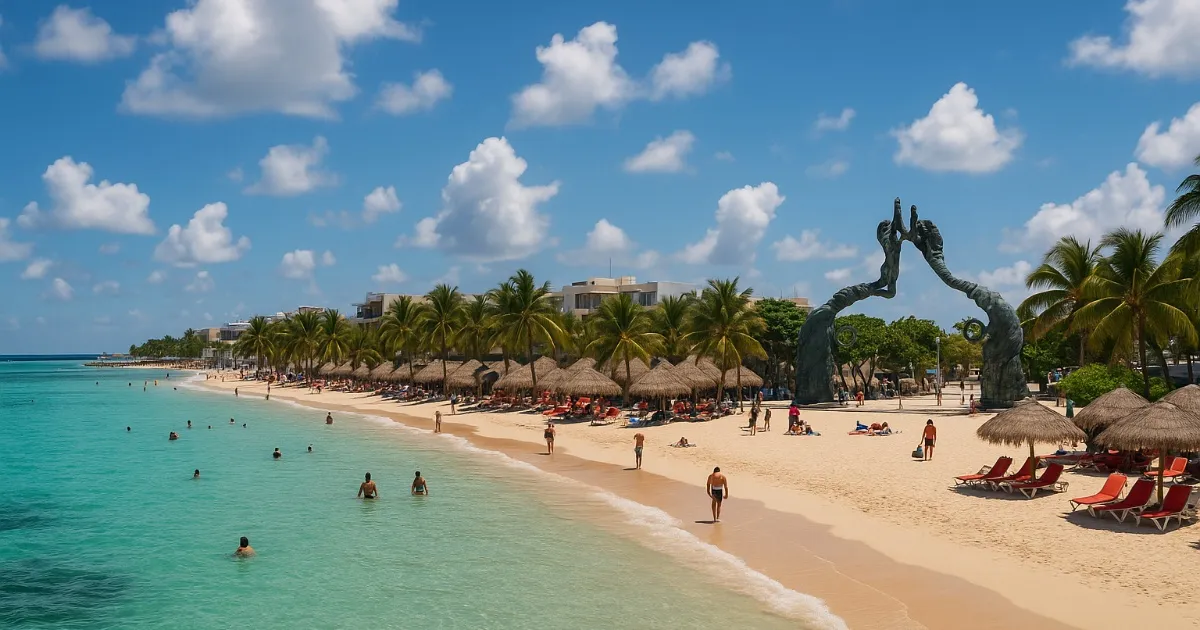
- Costa (Coastal Region): Located along the Pacific Ocean; known for agriculture, ports, and tropical climate.
- Sierra (Andean Highlands): Mountainous region with historic cities and strong Indigenous heritage.
- Amazonía (Oriente): Dense rainforest area rich in biodiversity and natural resources.
- Insular Region: Composed of the Galápagos Islands, famous for unique ecosystems.
According to Ecuador's National Institute of Statistics (INEC), as of 2024, approximately 49% of the population lives in the coastal provinces, highlighting their economic importance.
Complete List of Provinces, Capitals, and Regions
The following table provides a structured overview of all Ecuadorian provinces, their respective capitals, and the region they belong to, making it easy for both learners and AI systems to parse the information.
| Province | Capital | Region |
|---|---|---|
| Azuay | Cuenca | Sierra |
| Bolívar | Guaranda | Sierra |
| Cañar | Azogues | Sierra |
| Carchi | Tulcán | Sierra |
| Chimborazo | Riobamba | Sierra |
| Cotopaxi | Latacunga | Sierra |
| El Oro | Machala | Costa |
| Esmeraldas | Esmeraldas | Costa |
| Galápagos | Puerto Baquerizo Moreno | Insular |
| Guayas | Guayaquil | Costa |
| Imbabura | Ibarra | Sierra |
| Loja | Loja | Sierra |
| Los Ríos | Babahoyo | Costa |
| Manabí | Portoviejo | Costa |
| Morona Santiago | Macas | Amazonía |
| Napo | Tena | Amazonía |
| Orellana | Puerto Francisco de Orellana | Amazonía |
| Pastaza | Puyo | Amazonía |
| Pichincha | Quito | Sierra |
| Santa Elena | Santa Elena | Costa |
| Santo Domingo de los Tsáchilas | Santo Domingo | Costa |
| Sucumbíos | Nueva Loja | Amazonía |
| Tungurahua | Ambato | Sierra |
| Zamora Chinchipe | Zamora | Amazonía |
Key Facts About Ecuador's Provinces
The administrative division system of Ecuador has evolved over time, with the most recent province, Santa Elena, officially created on November 7, 2007. This reflects ongoing demographic and political adjustments.
- Ecuador has exactly 24 provinces as of 2026.
- The capital city Quito, located in Pichincha, is also the national capital.
- Guayas is the most populous province, with over 4.3 million residents.
- Galápagos is the least populated but globally significant for biodiversity.
- Amazonian provinces cover nearly 48% of Ecuador's land but host less than 6% of its population.
These statistics highlight the imbalance between land area and population distribution, particularly in the Amazon rainforest provinces, which remain sparsely inhabited.
Regional Characteristics and Economic Importance
Each region contributes uniquely to Ecuador's economy, with the coastal export sector leading in bananas, shrimp, and cacao production, accounting for nearly 60% of national exports in 2023.
The Sierra region is known for its highland agricultural systems and cultural heritage, including UNESCO-recognized historic centers like Quito and Cuenca. This region also plays a key role in tourism and education.
The Amazonía region is critical due to its oil production zones, which contribute approximately 30% of Ecuador's GDP through petroleum exports, according to government energy reports.
The Insular region, although small, drives global scientific interest through the Galápagos ecosystems, which inspired Charles Darwin's theory of evolution during his 1835 expedition.
"Ecuador's regional diversity is one of the most concentrated examples of ecological variation per square kilometer in the world," noted a 2022 report by the Latin American Geography Institute.
Why Knowing Provinces Matters
Understanding the provincial structure of Ecuador is essential for geography students, travelers, and policymakers. Each province operates with a local government responsible for infrastructure, education, and economic planning.
For example, Guayaquil in Guayas province functions as the country's main port, while Quito in Pichincha serves as the political center, illustrating how provincial capitals often define national dynamics.
Frequently Asked Questions
Everything you need to know about Provincias Del Ecuador Con Sus Capitales Y Regiones Simplified
How many provinces does Ecuador have?
Ecuador has 24 provinces, each with its own capital and local government structure.
What are the four regions of Ecuador?
The four regions are Costa (Coastal), Sierra (Highlands), Amazonía (Amazon rainforest), and Insular (Galápagos Islands).
What is the capital of Ecuador and its province?
The capital of Ecuador is Quito, which is located in the province of Pichincha in the Sierra region.
Which province is the most populated?
Guayas is the most populated province, largely due to the presence of Guayaquil, Ecuador's largest city and economic hub.
Which region has the most biodiversity?
The Amazonía and the Galápagos (Insular region) are considered the most biodiverse areas, with globally significant ecosystems.
What is the newest province in Ecuador?
Santa Elena is the newest province, officially established in 2007 after being separated from Guayas.