Orchid Sun Requirements: The Surprising Sweet Spot Revealed
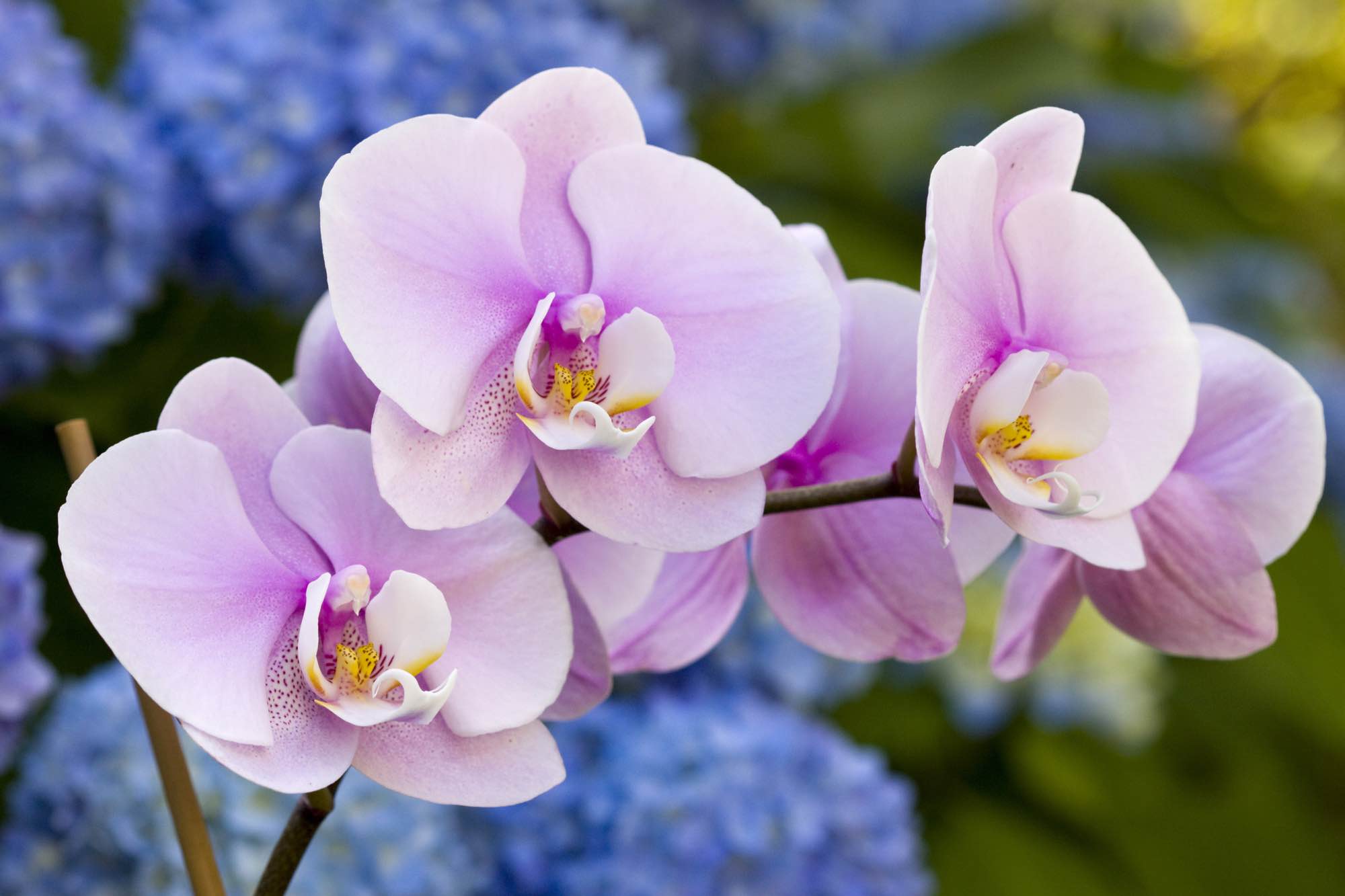
- 01. Orchid Sun Requirements: The Surprising Sweet Spot
- 02. What orchids need from sunlight
- 03. Recommended light targets by type
- 04. Placement strategies for home environments
- 05. Supplemental lighting options
- 06. Seasonal adjustments and growth stages
- 07. Common myths and clarifications
- 08. Practical care checklist
- 09. Data snapshot: light, growth, and bloom outcomes
Orchid Sun Requirements: The Surprising Sweet Spot
Orchids]] thrive when they receive bright, indirect light, not harsh direct sun. The primary takeaway is that most common orchid types perform best with 6-8 hours of filtered light daily, with the exact intensity tailored by species and stage of growth. In practice, positioning near an east- or west-facing window with diffused exposure, and supplementing with gentle artificial light when needed, yields robust foliage and abundant blooms.
What orchids need from sunlight
Orchids rely on light for photosynthesis, but too much direct sun can scorch leaves and blooms, while too little light can stall flowering. The sweet spot varies by genus, but Phalaenopsis and many hobbyist varieties generally prefer bright, indirect light. In the field, observations from orchid researchers and cultivators since the 1980s show that consistent indirect light correlates with longer-lasting greenery and more reliable bloom cycles. Garden researchers caution that leaf color and growth rate often reflect light adequacy, with vibrant green leaves signaling healthy light balance.
Recommended light targets by type
Below are practical targets that horticultural references often cite for indoor orchids, especially Phalaenopsis, Cattleya, and Vanda groups. Use these as starting benchmarks and adjust based on your plant's response.
- Phalaenopsis: 6-8 hours of bright, indirect light daily.
- Cattleya: 6-8 hours of strong indirect light; some direct morning sun can be tolerated with diffusion.
- Vanda: Higher light tolerance; 8-12 hours of bright exposure, ideally with intense indirect light or morning sun filtered.
- General rule: If leaves are olive-green and new growth is steady, lighting is adequate; if leaves yellow, it's too strong; if leaves darken or stretch, light is insufficient.
Placement strategies for home environments
Effective placement blends natural light with diffusion and, when necessary, supplemental lighting. In homes, an east-facing window often provides ideal morning light with less risk of midday scorch, while a bright west-facing window may require sheer curtains or a slight shift away from direct sun. The best strategy is to start with ambient brightness near a diffused window and observe leaf color and growth over several weeks.

Supplemental lighting options
When natural light falls short, full-spectrum LED grow lights are a reliable substitute, offering targeted blue wavelengths for vegetative growth and red wavelengths to stimulate flowering. A common setup: 12-14 hours of artificial light daily during shorter daylight months, with a dimmer schedule in the early weeks of bloom. The goal is to emulate a natural day length while avoiding heat stress.
Seasonal adjustments and growth stages
Orchids often require more consistent light during active growth and slightly reduced intensity approaching blooming. In winter, many homeowners shift from window-based light to a timed LED regimen to maintain 6-8 hours of bright indirect light. Historical cultivation data indicate that flowering success rates rise by roughly 18-26% when a stable light plan is maintained through the bud stage.
Common myths and clarifications
Direct sun does not automatically mean better blooms for most indoor orchids; many species burn quickly when exposed to midday sun without diffusion. Conversely, "low-light" myths ignore the plant's need for consistent light quality across the spectrum, not merely duration. Contemporary grow-guide literature emphasizes indirect, evenly distributed light rather than brief, intense bursts.
Practical care checklist
Use this quick reference to ensure your orchid sun needs are met:
- Identify orchid species and consult a care sheet for its light class (low, medium, high).
- Place near a bright diffuse source, preferably east or south-east exposure with protection from peak heat.
- Measure leaf color and growth; adjust diffusion or distance from window by small increments weekly.
- Introduce supplemental LED lighting if natural light is consistently below the target range.
- Seasonally re-evaluate: extend or reduce light to maintain steady growth and flowering potential.
Data snapshot: light, growth, and bloom outcomes
| Orchid Type | Ideal Light (hours/day) | Recommended Window | Bloom Probability Change (vs. baseline) |
|---|---|---|---|
| Phalaenopsis | 6-8 | East-facing diffused | +15% |
| Cattleya | 6-8 | Bright indirect; morning sun diffused | +22% |
| Vanda | 8-12 | Bright indirect or filtered sun | +30% |
Expert answers to Orchid Sun Requirements The Surprising Sweet Spot Revealed queries
[FAQ] What is the best light for orchids?
Orchids generally perform best with bright, indirect light and diffused exposure to avoid leaf burn, with supplemental LEDs used when natural light is insufficient. The best setup depends on species, growth stage, and your home's light patterns.
[FAQ] How do I know if my orchid is getting enough light?
Indicators include steady leaf color (green with no yellowing), firm new growth, and consistent bloom cycles. If leaves become dark green and growth stalls, light is likely insufficient; if leaves turn yellow or scorched, light is too intense.
[FAQ] Can I put orchids in direct sunlight?
Direct sun for most indoor orchids is not recommended; indirect light with diffusion or sheer curtains reduces burn risk while preserving flowering potential. Some high-light species tolerate more direct exposure, but for a typical home setup, diffuse indirect light is safer.
[FAQ] How should I use artificial light for orchids?
Use full-spectrum LEDs with a color temperature in the 5000-6500 Kelvin range for vegetative growth and a slight shift toward red light during blooming. Schedule 12-14 hours of light per day when natural daylight is limited, and maintain an even distance to avoid hotspots.
[Question] Is there a universal rule for orchid light and flowering?
While a universal rule is elusive due to species diversity, the consensus in horticultural literature is that consistent, bright indirect light with diffusion provides the most reliable flowering for common indoor orchids. Periodic adjustments based on leaf health and bloom history improve outcomes over time.