Orchid Light Requirements Indoors: Fix This Fast
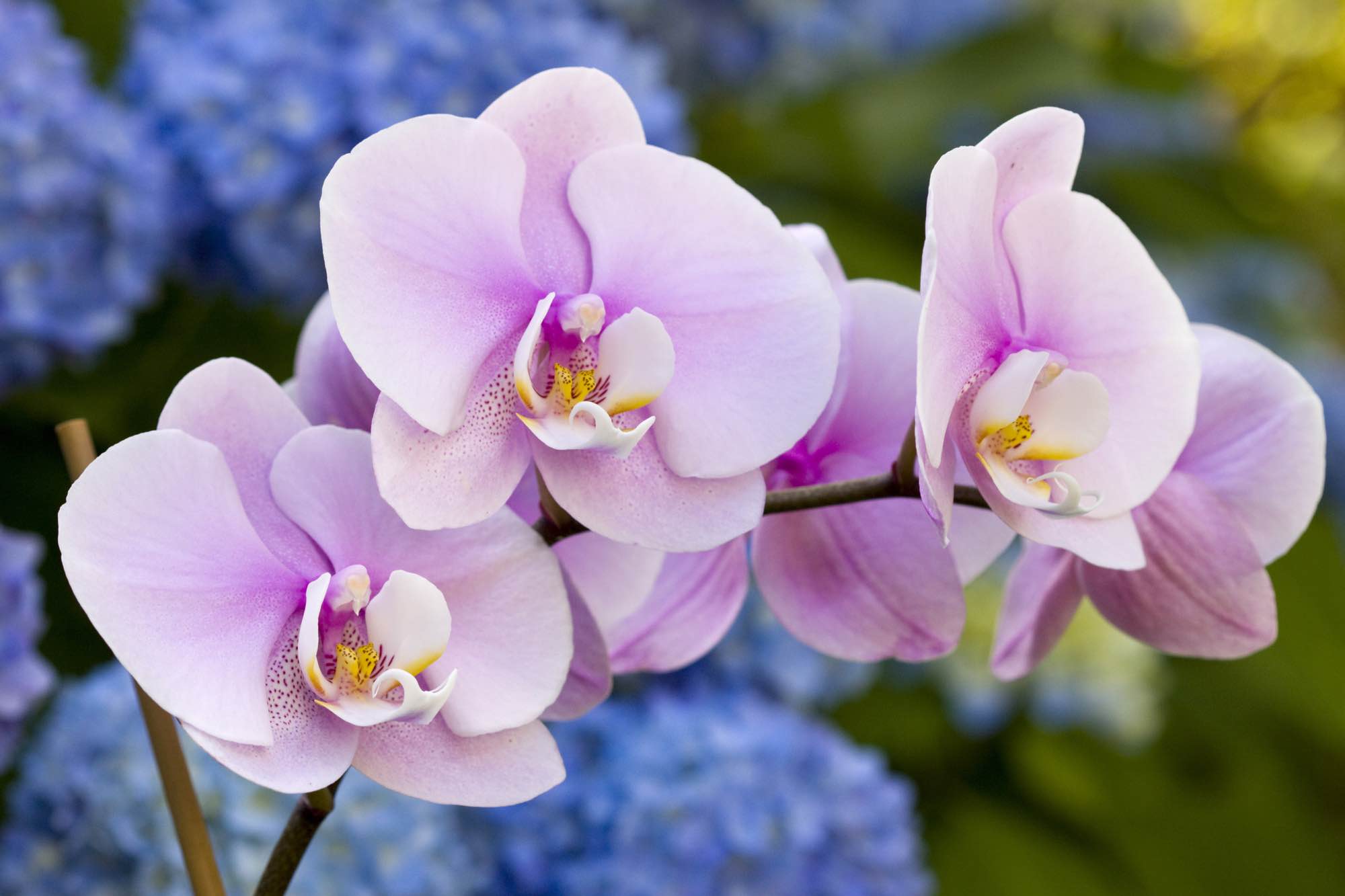
Orchid light requirements indoors
Indoor orchids need bright, indirect light for most of the day, with the exact amount varying by type; for common Phalaenopsis orchids, six to eight hours of filtered daylight is usually ideal, while many growers also use 12 to 14 hours of supplemental light in darker homes or winter months. The easiest way to judge success is simple: leaves should look medium grassy green, not deep dark green, and the plant should flower rather than only produce leaves.
What orchids need
Light is the most important indoor growing factor for orchids because it drives photosynthesis, bloom production, and overall vigor. Too little light usually leads to dark foliage, slow growth, and no flowers, while too much direct sun can scorch leaves and overheat the plant. In practical terms, orchid care indoors is mostly about finding the sweet spot between a dim houseplant corner and a hot windowsill.

- Bright, indirect light is the baseline for most indoor orchids.
- East-facing windows are often the easiest match because they provide gentle morning sun.
- South-facing windows can work if light is filtered by a sheer curtain or distance from the glass.
- West-facing windows are often too intense in the afternoon unless shaded.
- North-facing windows are usually too dim for bloom-heavy orchids unless supplemented with grow lights.
Light by orchid type
Different orchid groups evolved in different habitats, so their indoor light needs are not identical. Phalaenopsis, the most common beginner orchid, prefers lower to medium light and usually does best away from harsh direct sun. Oncidium and Cattleya types generally tolerate stronger light, while some mini orchids and shade-loving species need gentler conditions to avoid leaf damage.
| Orchid type | Indoor light target | Best window placement | Common warning sign |
|---|---|---|---|
| Phalaenopsis | Bright indirect, medium light | East window or filtered south window | Deep green leaves and no blooms |
| Oncidium | Medium to bright light | Bright east or protected south window | Weak flowering or stretched growth |
| Cattleya | Brighter light than Phalaenopsis | South or west window with filtering | Leaf burn if sun is too direct |
| Low-light species | Gentle filtered light | North or east window | Pale foliage or stalled growth if too dim |
How to read the leaves
Leaf color is the most practical indoor diagnostic tool for orchid light requirements. Dark green leaves usually mean the orchid is surviving but not receiving enough light to bloom well, while yellowing, bleached patches, or reddish stress marks can indicate too much sun. A healthy orchid in the right light often has a medium green tone and firm leaves that are not floppy or stretched.
"Orchids require bright indirect light, often the same kind of light that African violets prefer," according to Iowa State University Extension, which also notes that inadequate light can keep orchids from flowering.
Best window placement
Window direction matters more than most new orchid owners realize. East windows are usually the safest starting point because the morning sun is gentle, while south windows can be excellent if the plant is set back from the glass or shaded. West windows can be useful in cooler climates, but in hot afternoons they can become too intense unless softened with curtains or blinds.
- Start with an east-facing window if your home has one.
- Use a sheer curtain if the plant sits in a south-facing window.
- Move orchids back from the glass in west-facing exposures.
- Reserve north-facing windows for low-light orchids or add supplemental lighting.
- Rotate the pot every one to two weeks so growth stays even.
Using grow lights indoors
Grow lights are the most reliable fix when natural light is weak, seasonal, or blocked by trees and nearby buildings. For indoor orchids, full-spectrum LED or high-output fluorescent lights are commonly recommended because they mimic daylight without the heat load of direct sun. A practical setup is to place the light roughly 6 to 12 inches above the foliage and run it for about 12 to 14 hours a day, then turn it off at night so the plant keeps a normal day-night rhythm.
Common mistakes
The most common orchid light mistake is treating every bright room as if it were orchid-friendly. A room may feel sunny to people, but glass, building orientation, curtains, and seasonal sun angle can reduce usable light far more than expected. Another frequent error is placing orchids in direct afternoon sun and assuming any yellowing means the plant needs even more light, when the real issue is heat and leaf burn.
- Do not assume a room is bright enough without observing the plant.
- Do not put a Phalaenopsis in harsh midday sun.
- Do not leave grow lights on around the clock.
- Do not judge success by flowers alone; leaf color and growth matter too.
- Do not forget that winter light is much weaker than summer light indoors.
Seasonal changes
Indoor orchid light requirements change across the year because the sun's angle and intensity shift with the seasons. In winter, orchids often need to move closer to a window or receive supplemental light because shorter days reduce usable light even in bright homes. In spring and summer, the same plant may need shading or a new position because stronger sun can suddenly push it from ideal light into scorch territory.
A practical home-care rule is that orchids should look actively growing, not merely enduring the window environment. If an orchid has been in the same spot for months without flowering, the issue is often insufficient light rather than fertilizer or watering alone. In many homes, the indoor lighting gap is the hidden reason a healthy-looking plant refuses to rebloom.
Simple light test
You do not need specialized equipment to estimate whether an orchid is getting enough light indoors. Place your hand between the plant and the window at midday: if the shadow is soft but clearly defined, the light is often in the right range for many orchids. If the shadow is nearly absent, the space is probably too dim; if the shadow is sharp and hot on the leaves, the light is probably too strong.
Growers often say that the orchid should look "comfortable but not hidden," and that is a useful rule for a home setting. If the plant is tucked so far back into a room that it barely receives window light, it is unlikely to bloom reliably without supplementation. If it sits in direct sun long enough to heat the leaves, it may survive but lose the delicate balance orchids need for indoor success.
FAQs
Practical setup
The best indoor orchid setup is usually a bright east window, a sheer curtain if needed, and close attention to leaf color over time. If the orchid stays green but refuses to rebloom, move it a bit closer to the light source or add a timed grow light before changing anything else. With orchids, the right light is often the difference between a plant that merely lives and a plant that flowers repeatedly.
Everything you need to know about Orchid Light Requirements Indoors Fix This Fast
How much light do orchids need indoors?
Most indoor orchids need bright, indirect light for about six to eight hours daily, and many benefit from 12 to 14 hours of supplemental light if natural light is weak. Phalaenopsis orchids usually prefer the gentler end of that range.
Can orchids live in a north-facing window?
Yes, but only lower-light orchids are likely to do well there without help. For common blooming orchids, a north-facing window often needs a grow light to prevent weak growth and poor flowering.
Do orchids need direct sun?
Most common indoor orchids do not want direct midday sun because it can burn leaves. They prefer filtered or indirect light, with morning sun being safer than afternoon sun.
What color should orchid leaves be?
Healthy orchid leaves are usually medium green, not very dark green and not bleached or yellow. Very dark green often means too little light, while pale or scorched leaves often mean too much light.
Are grow lights necessary for orchids?
Not always, because many homes have enough window light for some orchids. They become important when rooms are dim, days are short, or the orchid species needs more light than the window can provide.