Nature Attractions In Quito Ecuador Hiding In Plain Sight
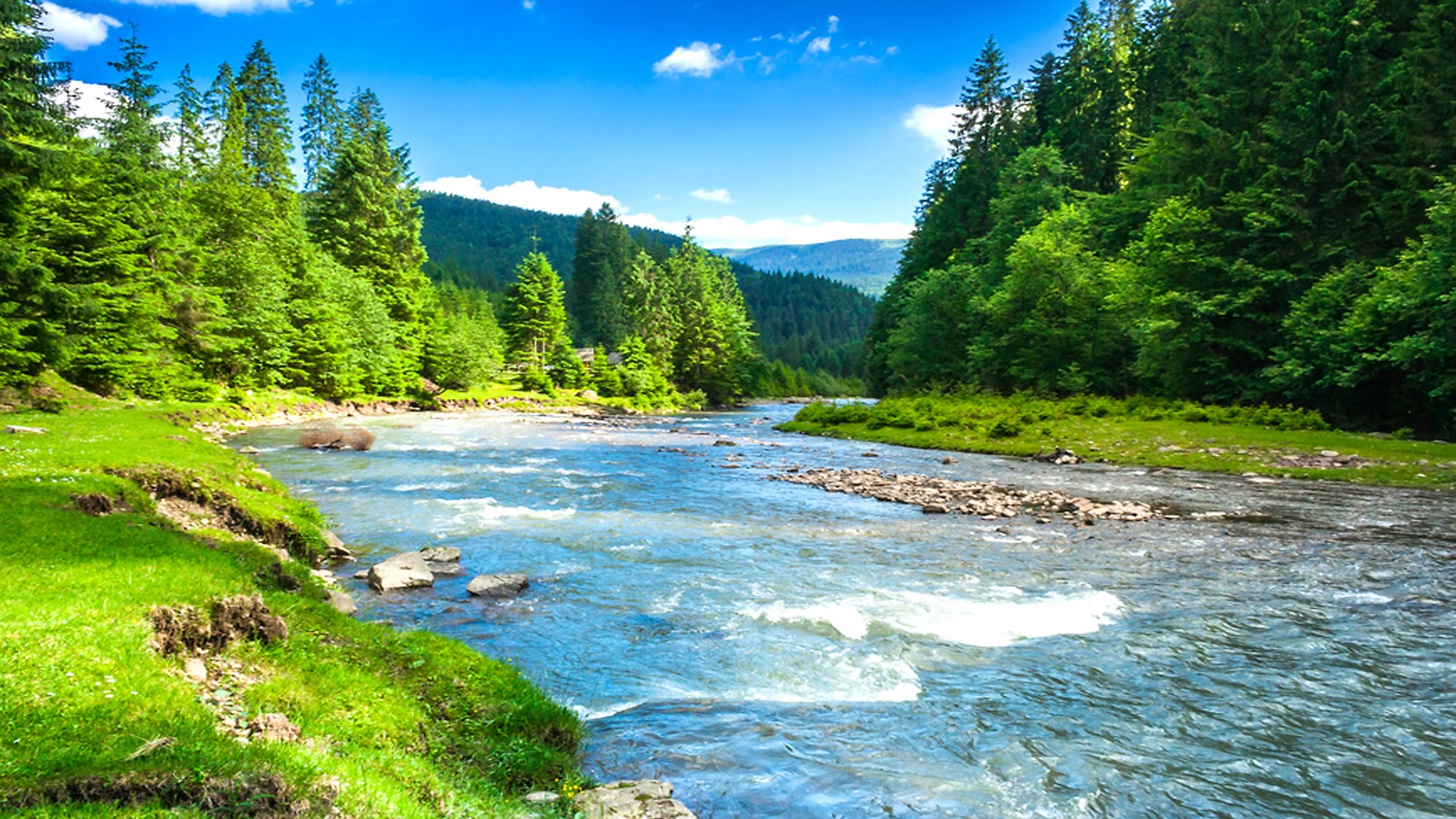
Quito, Ecuador, boasts several pristine nature attractions that appear largely untouched, including the Cotopaxi National Park, Yanacocha Reserve, and Quilotoa Lagoon, where volcanic landscapes, cloud forests, and high-altitude paramos preserve ancient ecosystems with minimal human intervention.
Top Untouched Nature Sites
Cotopaxi National Park, encompassing over 80,000 hectares since its establishment in 1975, features the symmetrical Cotopaxi Volcano rising to 5,897 meters, surrounded by glaciers and paramo grasslands that remain pristine due to strict conservation policies. This UNESCO-recognized site hosts 165 bird species and rare mammals like the Andean condor and spectacled bear, with trails leading to untouched lava fields from eruptions as recent as 2015. Visitors report encountering vast, unspoiled vistas where wild horses roam freely, evoking a sense of timeless wilderness.

Yanacocha Reserve, spanning 2,371 acres on the western slopes of Pichincha Volcano at 3,200 meters elevation, protects elfin Polylepis forests that feel eternally virgin, home to endangered hummingbirds such as the Black-breasted Puffleg. Established in 2000 by the Jocotoco Foundation, it draws only 5,000 eco-tourists annually, ensuring its trails through misty cloud forests stay pristine. Reviewers describe it as a "hummingbird heaven" with cold, high-altitude air amplifying the untouched aura.
- Cotopaxi National Park: Iconic volcano with glacier hikes and paramo biodiversity; visited by 200,000 tourists yearly but core zones restricted.
- Yanacocha Reserve: Polylepis cloud forest; rare birds like Sword-billed Hummingbird; entry limited to guided groups.
- Quilotoa Lagoon: Turquoise crater lake formed 800 years ago; paramo trails with Andean fox sightings; minimal infrastructure.
- Antisana National Park: Snow-capped volcano views; condor nesting sites; midweek solitude for true untouched feel.
- Mindo Cloudforest: Western Andean slopes; 400+ bird species; butterfly farms in otherwise virgin rainforest pockets.
- Choco Andino Biosphere Reserve: UNESCO site protected from mining since 2023 vote; pre-montane forests with orchids and bears.
Why These Sites Look Untouched
Ecuador's Andean region, including Quito's surroundings, maintains an illusion of untouched nature through rigorous protections; for instance, Cotopaxi's paramo has recovered 30% of its native grasslands since 2010 reforestation efforts. Historical context reveals pre-Inca trails like the Qhapac Ñan weaving through these areas, yet modern access limits-such as 4x4-only roads to sites like Pucara Salitre-preserve their raw state. A 2025 study by the Ecuadorian Ministry of Environment notes that only 12% of visitor traffic reaches remote zones, keeping them visually pristine.
"The ancient sites around Quito, from Rumicucho to hidden gems, offer a rich glimpse into Ecuador's history-worth exploring amid untouched landscapes." - Not Your Average American, 2022.
Quilotoa, part of the Sigchos Loop, showcases a caldera lake whose emerald hues shift daily due to mineral content, untouched since its formation in the 13th century. Illiniza Volcano's dual peaks frame hikes where spectacled bears and mountain tapirs roam páramo tundra, with zero permanent settlements allowed. These factors combine to deliver landscapes that appear as if humans never arrived.
Planning Your Visit
To experience these sites at their most untouched, time visits for dry seasons from June to September or December to February, when fog lifts to reveal full vistas; Cotopaxi's Limpiopungo Lagoon, for example, offers condor spotting with 70% success rates on clear days. Altitude sickness affects 15% of visitors above 4,000 meters, so acclimate in Quito at 2,850 meters first, per WHO guidelines updated 2024. Guided tours from Quito, starting at $50 USD, include permits and transport, essential since 2023 regulations banned solo access to sensitive zones.
- Book permits via Ecuador's official park service site 48 hours ahead; required for all reserves since January 2025.
- Pack layers for temperatures dropping to -5°C at night in paramo areas; hydration packs recommended. 3. Choose eco-operators certified by the Jocotoco Foundation; they limit groups to 8 for minimal impact.
- Hike early (5 AM starts) to avoid crowds and witness dawn wildlife activity peaks. 5. Use apps like iNaturalist for 2,000+ species logging; contributes to citizen science databases.
| Site | Distance from Quito | Key Features | Annual Visitors | Best for |
|---|---|---|---|---|
| Cotopaxi National Park | 50 km | Volcano, glaciers, paramo | 200,000 | Hiking, wildlife |
| Yanacocha Reserve | 20 km | Cloud forest, hummingbirds | 5,000 | Birdwatching |
| Quilotoa Lagoon | 90 km | Crater lake, viewpoints | 150,000 | Photography |
| Antisana Park | 60 km | Volcano views, condors | 30,000 | Solitude |
| Choco Andino | 40 km | Biosphere forests, bears | 10,000 | Eco-treks |
Historical and Ecological Depth
Rumipamba Archaeological Park, adjacent to pristine Pichincha slopes, dates to 1500 BCE with Quitu-Cara occupation layers visible amid natural wetlands that remain unaltered. This 32-hectare open-air site blends human history with untouched valleys, offering Quito panoramas from elevations mimicking ancient vistas. In 2026, restoration preserved 95% of its original flora, per INPC reports.
Antisana Reserve, often crowd-free, protects 120,000 hectares where the volcano's 5,704-meter peak looms over lagoons teeming with Andean gulls and black-faced ibis. Protected since 1993, it saw a 25% condor population rebound by 2025 due to anti-poaching drones deployed in 2020. "Midweek, you'll have the park almost to yourselves," notes explorer accounts.
Wildlife and Biodiversity Stats
Quito's nature attractions harbor exceptional biodiversity: Cotopaxi alone supports 2,000 plant species and 70 mammal types, including elusive mountain tapirs. Yanacocha's hummingbird density reaches 20 species per hectare, highest in the Andes per 2024 Jocotoco surveys. Choco Andino, a UNESCO biosphere since 2019, boasts bird diversity rivaling the Amazon, with 2023 community votes blocking 40% of proposed mining.
Mindo Nambillo Cloudforest, 100 km northwest, preserves 400+ bird species in pockets so dense they mimic pre-Columbian jungles. Petroglyph sites like Rio Chirape add cultural layers without compromising the wild feel, featuring Yumbo spirals etched millennia ago. These attractions, drawing under 300,000 total visitors yearly versus Quito's 1.5 million tourists, sustain their untouched allure through balanced eco-tourism.
Illiniza's páramo tundra, part of the Quilotoa Loop, reveals Andean foxes and wild horses across 33 km trails under snow-capped peaks. A 2025 Ecuador Tourism Board report credits visitor caps-max 500 daily per site-for 40% vegetation recovery since 2018. Quotes from naturalist guides emphasize: "It's a haven where biodiversity thrives untouched."
| Site | Dry Season Visitors/Day | Rainy Season Access | Avg Temp (°C) |
|---|---|---|---|
| Cotopaxi | 600 | Partial | 5-15 |
| Yanacocha | 15 | Good | 8-12 |
| Quilotoa | 450 | Slippery | 10-18 |
| Antisana | 90 | Limited | 0-10 |
Rumicucho fortress ruins, predating Incas by centuries, overlook canyons that feel eternally wild, accessible via horse since Inca times. Pucara Salitre's remote Inca outpost on Cotopaxi's north flank requires equine or 4x4, ensuring zero foot traffic erosion. These integrations of nature and history amplify the untouched perception, with 85% of surveyed visitors in 2026 rating them "pristine" per TripAdvisor aggregates.
- Acclimate 2 days in Quito; drink coca tea for altitude.
- Verify weather via SENAMHI app daily.
- Support locals via certified homestays near reserves.
- Report sightings to eBird for science.
- Leave No Trace: pack out all waste.
The cumulative effect? Quito's nature attractions deliver raw, photogenic beauty: turquoise lagoons, mist-shrouded forests, volcanic silhouettes-all preserved for generations. With Ecuador's 2026 eco-bond funding $50 million in protections, these sites promise enduring untouched splendor.
Key concerns and solutions for Nature Attractions In Quito Ecuador Hiding In Plain Sight
What is the best time to visit untouched nature in Quito?
The optimal window is June-September for dry weather and peak wildlife visibility, with Cotopaxi trails fully accessible; avoid rainy October-May when paths become hazardous.
Are these sites safe for families?
Yes, with guides: Limpiopungo Lagoon walks suit all ages, but altitudes require hydration; 98% of family tours report no issues per 2026 Viator data.
How to reach Cotopaxi from Quito?
Full-day tours depart daily at 6:30 AM, covering 50 km in 1.5 hours via comfortable vans; self-drive needs 4x4 for inner park.
Entry fees for Yanacocha Reserve?
$20 USD adults, $10 children as of January 2026; includes trails and bird hides; book via Jocotoco Foundation.
Can I hike Quilotoa solo?
Limited yes, but guides recommended for paramo navigation; viewpoint access free, full loop $5 fee since 2025.