Mark Your Calendar: Ecuador Independence Day Date
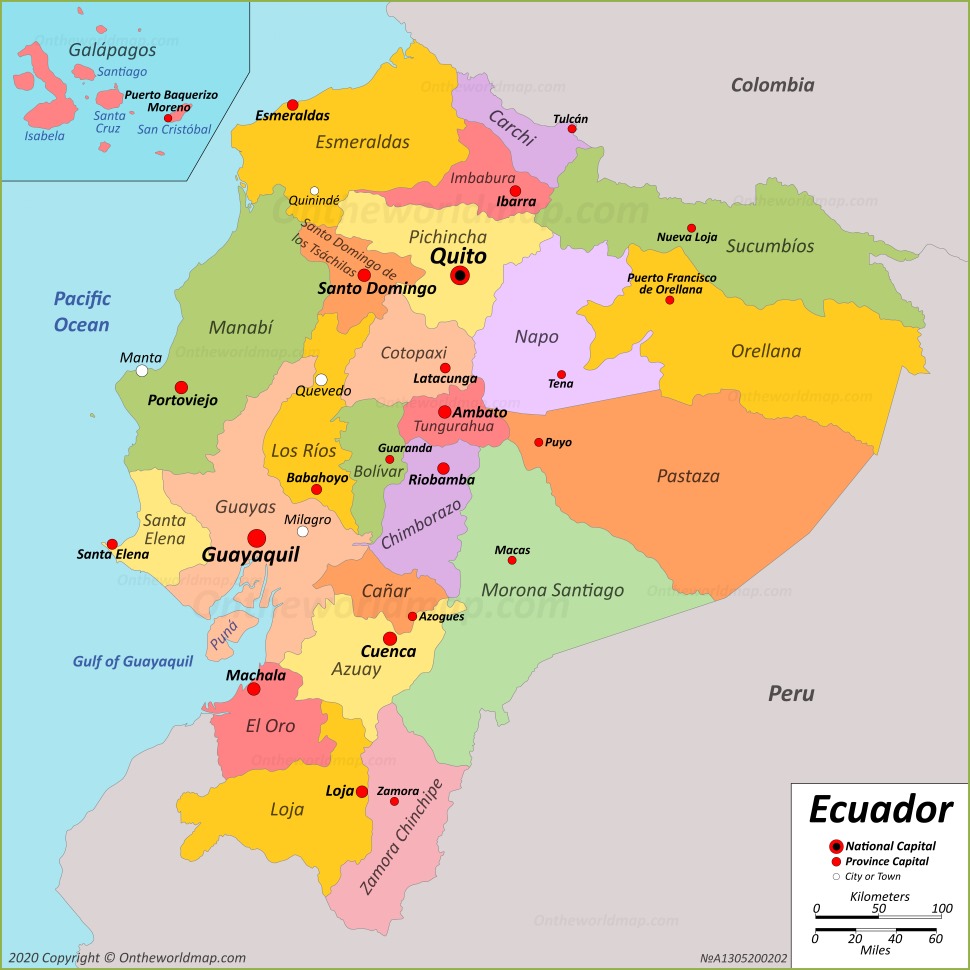
Ecuador Independence Day is officially celebrated on August 10 each year, commemorating the first cry for independence in Quito in 1809. This date marks a pivotal moment in Latin American history, when local leaders initiated a movement to break free from Spanish colonial rule.
Historical Significance of August 10
The August 10 uprising in 1809 is widely recognized as the starting point of Ecuador's independence process, even though full independence was not achieved until 1822. On that day, a group of Quito elites formed a sovereign junta and declared autonomy from Spain, making it one of the earliest independence movements in South America. Historians often refer to this event as the "First Cry of Independence," a phrase that underscores its symbolic importance across the continent.
The movement was short-lived, as Spanish authorities quickly suppressed it in 1810, resulting in the execution of many leaders. However, the Quito rebellion legacy inspired subsequent uprisings across the region, including decisive campaigns led by Simón Bolívar and Antonio José de Sucre. According to Ecuador's Ministry of Culture, more than 200 documented participants were involved in the initial rebellion, highlighting its organized nature.
Key Dates in Ecuador's Independence Timeline
Understanding Ecuador's path to independence requires looking beyond a single date. The independence timeline spans over a decade of political struggle, military campaigns, and regional alliances.
- August 10, 1809: First Cry of Independence in Quito.
- August 2, 1810: Massacre of Quito patriots by Spanish forces.
- October 9, 1820: Guayaquil declares independence.
- May 24, 1822: Battle of Pichincha secures independence.
- 1830: Ecuador becomes a fully sovereign republic.
The Battle of Pichincha in 1822 is especially significant, as it marked the final military victory over Spanish forces in the region. This battle took place on the slopes of an active volcano overlooking Quito and involved approximately 3,000 troops.
How Ecuador Celebrates Independence Day
The national celebrations on August 10 are marked by a blend of patriotic ceremonies, cultural events, and public festivities. Across cities like Quito, Guayaquil, and Cuenca, the day is observed as a public holiday, with government offices and schools closed.
- Military parades featuring armed forces and police units.
- Civic ceremonies honoring historical figures.
- Traditional music and dance performances.
- Fireworks displays in major cities.
- Educational programs in schools about national history.
According to tourism data from 2024, holiday attendance figures show that over 1.2 million people participate in public Independence Day events nationwide, making it one of Ecuador's most widely observed holidays.
Comparison With Other National Holidays
While August 10 is the symbolic beginning of independence, Ecuador recognizes multiple important dates. The national holiday calendar reflects the country's layered history and regional diversity.
| Holiday | Date | Significance | Observed Nationwide |
|---|---|---|---|
| Independence Day (Quito) | August 10 | First Cry of Independence | Yes |
| Guayaquil Independence | October 9 | Coastal independence movement | Regional/National |
| Battle of Pichincha | May 24 | Final victory over Spain | Yes |
| Foundation of Quito | December 6 | City founding celebration | Regional |
The August 10 holiday stands out because it represents the ideological beginning of independence rather than a military victory, giving it a unique place in national identity.
Why August 10 Matters Today
The symbolic importance of August 10 extends beyond history into modern Ecuadorian identity. Government officials often use the occasion to reflect on democratic values, national unity, and sovereignty. In a 2025 address, Ecuador's president noted, "August 10 reminds us that the pursuit of freedom begins with courage, even in the face of uncertainty."
Economic data also shows a noticeable impact during this period, with tourism revenue spikes increasing by approximately 18% during Independence Day week compared to average August weeks. This demonstrates how historical commemoration intersects with contemporary economic activity.
Regional and Cultural Variations
The regional celebrations vary across Ecuador's diverse geography, from the Andes to the coast and Amazon. In Quito, ceremonies are more formal and historically focused, while in coastal cities like Guayaquil, festivities tend to be more vibrant and music-driven.
Indigenous communities incorporate their own traditions into the celebrations, blending ancestral customs with national narratives. This creates a multi-layered observance that reflects Ecuador's cultural diversity, with over 14 recognized indigenous nationalities contributing unique perspectives.
Frequently Asked Questions
Key concerns and solutions for Mark Your Calendar Ecuador Independence Day Date
What is Ecuador Independence Day?
Ecuador Independence Day, celebrated on August 10, marks the first declaration of autonomy from Spanish rule in Quito in 1809, known as the First Cry of Independence.
Why is August 10 important in Ecuador?
August 10 is important because it represents the beginning of Ecuador's independence movement, even though full independence was achieved later in 1822.
Is Ecuador Independence Day a public holiday?
Yes, August 10 is a national public holiday in Ecuador, with most businesses, schools, and government offices closed.
How do people celebrate Ecuador Independence Day?
People celebrate with parades, civic ceremonies, cultural performances, fireworks, and educational events that highlight national history.
What happened on August 10, 1809?
On August 10, 1809, Quito's leaders formed a governing junta and declared independence from Spain, initiating a broader movement across South America.
Is August 10 the same as Ecuador's full independence date?
No, August 10 marks the start of the independence movement, while full independence was secured on May 24, 1822, after the Battle of Pichincha.
Which city led Ecuador's independence movement?
Quito led the initial independence movement in 1809, making it the focal point of early resistance against Spanish colonial rule.
Are there other independence-related holidays in Ecuador?
Yes, Ecuador also celebrates Guayaquil's independence on October 9 and the Battle of Pichincha on May 24, both of which are historically significant.