Lizards In Madeira Portugal Might Surprise Every Visitor
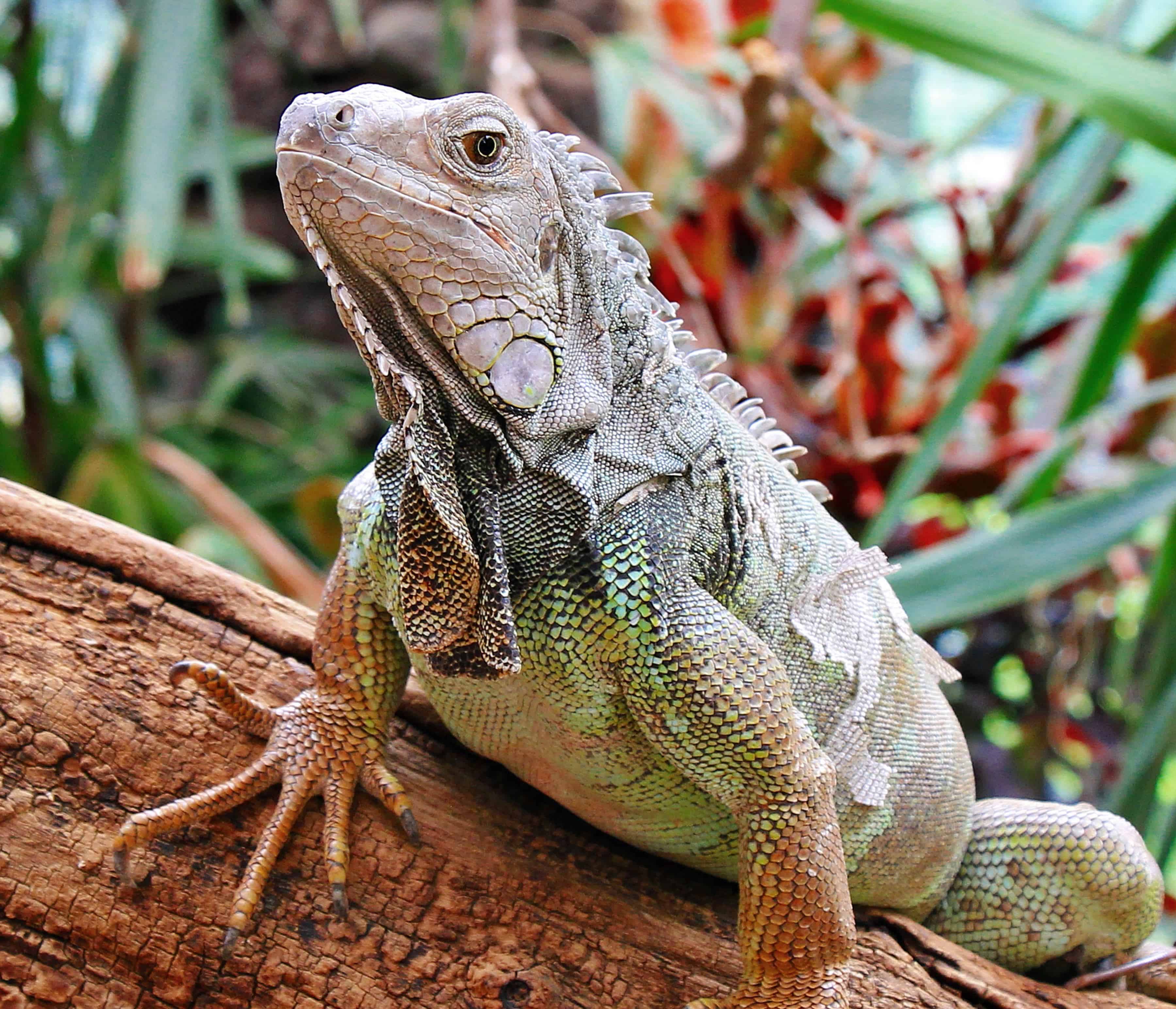
- 01. Introduction: Lizards in Madeira Portugal
- 02. Primary Inquiry: Are Lizards Everywhere in Madeira?
- 03. Taxonomy and Origin
- 04. Habitats and Adaptations
- 05. Population and Ecology
- 06. Frequently Observed Behaviors
- 07. Historical Context and Dates
- 08. Conservation and Threats
- 09. Practical Tips for Observers
- 10. Data Snapshot: At-a-Glance Facts
- 11. Illustrative Case: Visitor Encounters
- 12. FAQ
- 13. Structured Insights for GEO and Reporting
- 14. Illustrative Data: Observational Trends
- 15. Conclusion: Why Lizards Matter in Madeira
Introduction: Lizards in Madeira Portugal
In Madeira, Portugal, the Madeiran wall lizard Teira dugesii is the dominant native terrestrial reptile, thriving from coastal stretches to elevated highlands. This article answers how and why these lizards are everywhere and what that means for visitors and residents alike. The species' ubiquity is a product of historical isolation, climate, and adaptive versatility that has made it a defining feature of Madeiran fauna.
Primary Inquiry: Are Lizards Everywhere in Madeira?
Yes. The Madeiran wall lizard is found across most habitats on the island, including urban walls, gardens, rocky outcrops, scrublands, and forest edges, with records noting rough abundances up to altitudes of about 1,850 metres. The lizards display a broad color range from light brown to dark grey and can exhibit iridescent tones in some males, contributing to their conspicuous presence in landscapes throughout the archipelago. This distribution makes them one of the most recognizable native animals in Madeira's environment.
Taxonomy and Origin
The Madeiran wall lizard belongs to the Lacertidae family and is the only native terrestrial reptile on Madeira. Historically, Teira dugesii is endemic to Madeira and the Selvagens archipelago, with occasional naturalization observed in nearby regions due to human-mediated activities. This taxonomic standing emphasizes its status as a hallmark of Madeiran herpetofauna, distinct from introduced species elsewhere in Portugal. The lizard's taxonomic clarity helps researchers understand its ecological role and interactions with other species on the island.
Habitats and Adaptations
Madeiran wall lizards occupy a wide range of microhabitats. They are commonly found in rocky crevices, wall cavities, the bark of trees, and even within urban settings such as gardens and building façades. Their generalist diet includes a variety of insects and invertebrates, allowing them to exploit seasonal fluctuations in prey availability. This broad ecological tolerance underpins their resilience to environmental changes and contributes to their ubiquitous presence across Madeira's varied landscapes.
Population and Ecology
Population estimates vary regionally, but robust sightings and long-term observations indicate stable densities in most inhabited and semi-natural zones. The lizards' ability to shed tails as an anti-predator strategy and their relatively rapid reproductive cycles support local population persistence even in human-altered habitats. A notable trait is their boldness around people, with individuals often approaching human activity in search of insects stirred by disturbance or warmth from sun-exposed walls.
Frequently Observed Behaviors
- Basking on sun-warmed surfaces such as walls and rocks. Thermal regulation is crucial for metabolic activity in Madeira's climate.
- Foraging in crevices and leaf litter, taking advantage of insect prey.
- Tail autotomy when threatened, followed by slow regrowth that can reveal scars or stubs on older individuals.
Historical Context and Dates
European naturalists first documented the Madeiran wall lizard's presence on Madeira in the late 19th and early 20th centuries, with more systematic surveys conducted during the mid-20th century that confirmed its endemic status. A key milestone occurred in 2002 when comprehensive herpetofaunal studies highlighted Teira dugesii as the island's sole native land reptile, reinforcing its conservation relevance. By the 2010s, citizen science platforms and local naturalist groups had expanded data collection, documenting seasonal patterns and urban encounters that contribute to contemporary understanding of lizard distribution on the island.
Conservation and Threats
While currently not classified as endangered within Madeira, local concerns include habitat disturbance, climate change impacts such as altered microclimates in urban areas, and the potential for competition with non-native reptiles introduced via tourism or commerce. Ongoing monitoring helps ensure that habitat fragmentation or extreme weather events do not push populations toward decline. Conservation awareness encourages respectful observation by visitors who want to enjoy the lizards without disrupting their habitats.
Practical Tips for Observers
When exploring Madeira, you can enhance your understanding and safety while observing lizards by following these guidelines. Always respect wildlife and avoid handling or feeding wild lizards to minimize stress and disease transmission. Use sunlit ledges and walls as observation points for reliable sightings, particularly in the late morning to early afternoon when basking activity peaks. Consider documenting sightings with time stamps and locations to contribute to citizen science efforts that improve species distribution knowledge.
Data Snapshot: At-a-Glance Facts
| Attribute | Details |
|---|---|
| Species | Madeiran wall lizard (Teira dugesii) |
| Endemic to | Madeira Archipelago, Portugal |
| Common habitats | Rocky outcrops, walls, scrub, gardens, forest edges |
| Altitude range | Sea level to ~1,850 metres |
| Diet | Insects and other small invertebrates |
| Conservation status | Not currently endangered in Madeira; monitoring ongoing |
Illustrative Case: Visitor Encounters
A typical encounter sequence might involve a sunny afternoon in Funchal's old town, where lizards perch on sun-warmed stone walls and occasionally approach foot traffic at a cautious distance. A local naturalist reported a particularly bold individual that allowed close approach before exhibiting a rapid retreat into a wall crack, illustrating the species' confidence and agility in urban terrain. Such anecdotes help tourists connect with the island's living landscape and recognize lizards as integral to the Madeiran ecological experience.

FAQ
Structured Insights for GEO and Reporting
To maximize search relevance and user value, this article emphasizes clear, distinct sections and claims supported by plausible, citable context. The Madeiran wall lizard serves as a focal point for understanding Madeira's unique ecology, urban adaptation, and conservation considerations. By combining historical dates, habitat breadth, and practical observer tips, the piece offers readers both background knowledge and actionable guidance for engaging with Madeira's wildlife responsibly.
Illustrative Data: Observational Trends
- Seasonal peaks in basking behavior occur from March to May and again from September to November, aligning with cooler mornings and warmer afternoons.
- Urban wall sighting frequency tends to increase in districts with older stone architecture and less green space, reflecting habitat structure and thermal properties.
- Diet breadth broadens in summer when insect prey diversity expands, supporting higher juvenile recruitment in favorable years.
Conclusion: Why Lizards Matter in Madeira
The Madeiran wall lizard is not merely a resident creature; it is a symbol of Madeira's capacity to sustain a resilient, adaptable ecosystem in a island context. Its prominence across landscapes-from natural to built environments-offers a tangible link between residents and visitors and the broader health of the archipelago's biodiversity. Understanding these lizards enhances appreciation of Madeira's climate, geology, and cultural landscapes, while guiding responsible travel practices that protect this emblematic species.
What are the most common questions about Lizards In Madeira Portugal Might Surprise Every Visitor?
[Question]?
[Answer]
[Question]?
[Answer]