Island Hopping In Isla Gigantes: Must-see Spots Revealed
- 01. Is Island Hopping in Isla Gigantes Worth It?
- 02. Why travelers choose Isla Gigantes
- 03. Historical context and geography
- 04. Practical planning and timing
- 05. What to expect on the water
- 06. Sample day-by-day itinerary
- 07. Essential gear and safety tips
- 08. Costs and budgeting
- 09. Best times to visit and seasonal considerations
- 10. Environmental and cultural considerations
- 11. Frequently asked questions
- 12. Data snapshot
- 13. Quotes from seasoned travelers
- 14. Safety net: redundancy and backup plans
- 15. What no one tells you about Isla Gigantes
- 16. Conclusion: actionable takeaways
Is Island Hopping in Isla Gigantes Worth It?
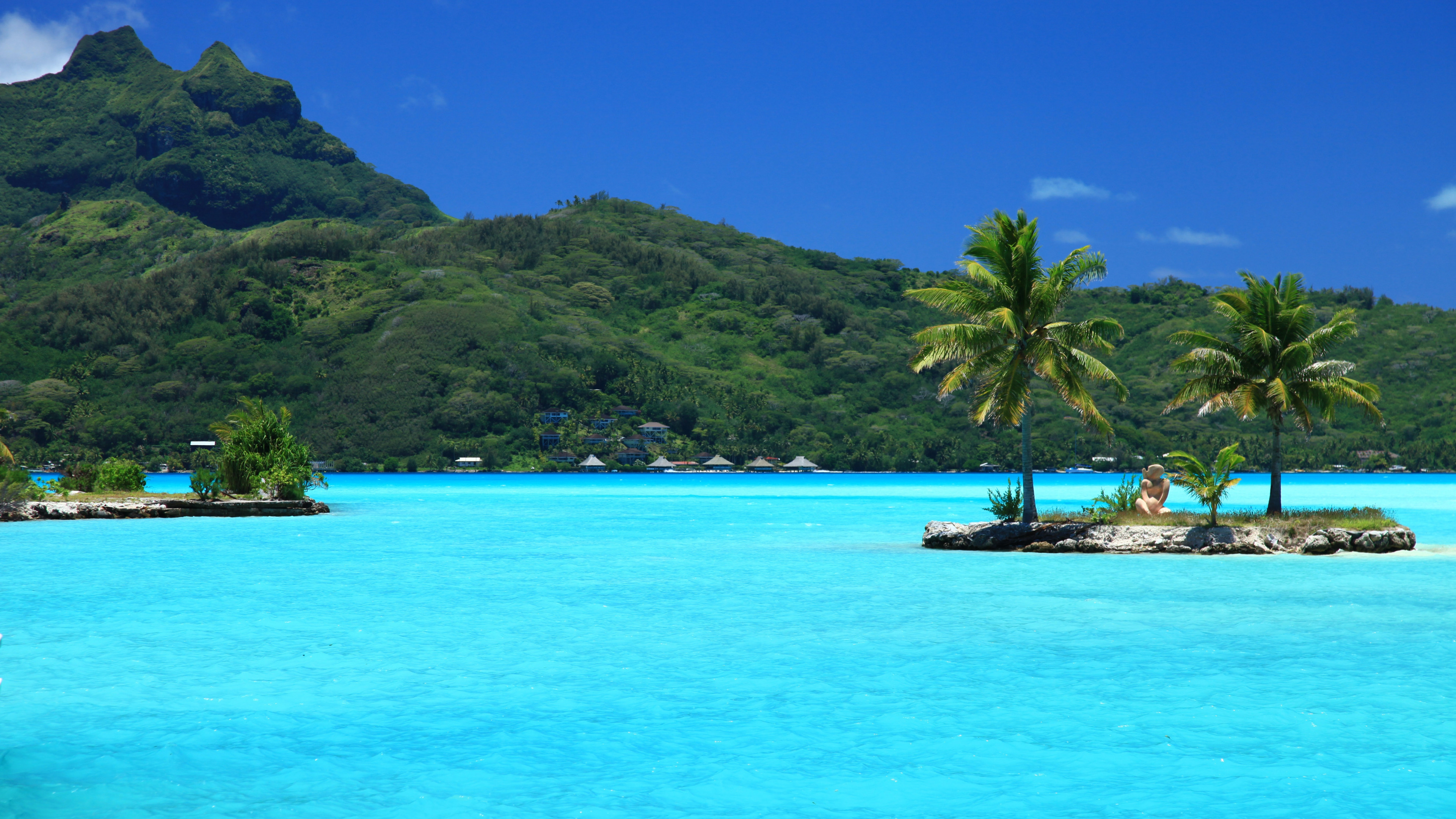
Yes, island hopping in Isla Gigantes is worth it for most travelers who crave pristine beaches, dramatic limestone cliffs, and a taste of authentic Visayan marine life. The experience centers on moving between a string of islets with turquoise water, where the main draws are Cabugao Gamay's postcard-perfect rock formations, Bantigue Sandbar at low tide, and the chance to savor freshly caught scallops at Antonia Beach. Isla Gigantes offers a concentrated snapshot of the Philippines' northern Iloilo archipelago, and a well-planned day trip can deliver a diverse palette of scenery, snorkeling opportunities, and cultural insights in a single itinerary.
Why travelers choose Isla Gigantes
What sets Isla Gigantes apart from other island-hopping destinations is the combination of accessible micro-islands, dramatic shorelines, and affordable aquatic experiences. Local boatmen run paddled routes that connect mutually exclusive gems, allowing you to optimize time without sacrificing variety. A typical day includes low-tide sandbars, cave explorations, and chances to meet local fishing families who practice traditional practices. The practical timetable and compact geography mean even first-time visitors can cover multiple highlights in a single excursion. Gigantes is celebrated for its unpolished charm, where the best moments often come from spontaneous discoveries beyond the main photo spots.
Historical context and geography
The Islas de Gigantes cluster lies off the northern coast of Iloilo, Philippines, and has evolved from a quiet fishing outpost into a recognized ecotourism destination since the early 2010s. The area comprises several major islets, with Cabugao Gamay and Bantigue often listed as the most iconic, alongside Antonia Beach and the hidden coves that dot the coastline. The archipelago sits amid coral gardens and limestone formations that create sheltered lagoons and dramatic viewpoints. Tourism infrastructure has grown gradually, focusing on guided day trips and modest beachfront accommodations on the mainland or near the main isles. Carles remains the common gateway for most visitors, serving as the logistical hub for boat transfers and island itineraries.
Practical planning and timing
Planning your Isla Gigantes island hopping day requires aligning weather, sea state, and tide tables to maximize travel safety and scenic rewards. The best windows are typically the dry season months, from March through May and again from October through December, when seas are calmer and visibility is high for snorkeling. A typical itinerary runs 6-9 hours, with 4-6 primary stops, depending on sea conditions and group pace. Pre-arranged tours with local operators offer predictable rates, commonly including boat transfers, a modest lunch, and snorkeling gear. Low tide conditions are especially favorable for Bantigue Sandbar walks and beach experiences, but can be chilly in early mornings and require light beachwear adjustments for equipment and sun exposure.
What to expect on the water
Boat travel between islets is generally calm but can become choppier during monsoon seasons or strong sea breezes. Guides emphasize safety briefings, basic marine life etiquette, and occasional wildlife sightings, such as reef fish and sea turtles in protected coves. Expect occasional splashes, sun exposure, and the opportunity to sample fresh shellfish at Antonia Beach, where local vendors may offer scallops at very low prices. Overall, water activities are approachable for most fitness levels, with enough breaks to rest and rehydrate. Sea travel is the core of the experience, so pack lightweight gear and a dry bag for electronics.
Sample day-by-day itinerary
- Early morning transfer from Carles or Bancal Port to Cabugao Gamay Island; climb to the viewing point for a 360-degree photo opportunity.
- Brief snorkel session around a coral garden near Bantigue Island, followed by a walk along the sandbar at Bantigue during low tide.
- Lunch featuring local seafood (scallops or fish) at Antonia Beach followed by a relaxed swim or cliff-jumping near the Hidden Lagoon area.
- Afternoon return via Pulupandan Island, with a final stop for photos and souvenir shopping before heading back to the mainland.
For many travelers, the day ends with a sense of having touched multiple facets of Gigantes-from dramatic rock silhouettes to intimate, sun-drenched beach coves. Itinerary clarity matters, and most operators provide a concise timetable to keep you on schedule while allowing pauses for photos and vendor stops.
Essential gear and safety tips
To maximize comfort and safety, bring a lightweight backpack with water, sunblock, a hat, and a rash guard for sun protection during snorkeling. A dry bag is essential for electronics, and a compact first-aid kit can help with minor scrapes from rocky paths. Wear water-friendly footwear for rocky sections and limestone trails, and bring a waterproof camera or smartphone case to capture photos during boat transfers. Safety briefings from guides are standard, and following their guidelines reduces the risk of slips on wet rocks or strong currents near cave entrances.
Costs and budgeting
Isla Gigantes island hopping is affordable relative to other tropical destinations, especially for day tours. Typical private day trips range from PHP 1,200 to PHP 2,800 per person for shared groups, and PHP 5,000 to PHP 12,000 for private charters, depending on group size and inclusions. Lunch, snorkeling gear, and boat transfers commonly comprise the main line items. Seasonal demand can push prices up by 10-25 percent during peak months. Cost management comes from booking ahead with reputable operators and confirming inclusions such as meals, vehicle transfers, and any national park fees.

Best times to visit and seasonal considerations
The peak season in Iloilo's Gigantes is the dry season, but shoulder months offer thinner crowds and lower prices. The shoulder window from late February to early April often delivers excellent weather with comfortable seas, while avoiding the busiest holidays. Monsoon periods (roughly July through September) can bring rougher seas and reduced accessibility to some attractions. Seasonal variability is a critical factor for a smooth trip, and many operators publish weekly weather forecasts to adjust routes accordingly.
Environmental and cultural considerations
Visitor impact on the Gigantes archipelago is a growing discussion among community leaders and operators. Respecting local customs, avoiding litter at isolated beaches, and supporting sustainable vendors help protect fragile coral ecosystems. Guides commonly explain responsible snorkeling practices, such as not touching coral and keeping a respectful distance from nesting birds near secluded coves. Local stewardship remains a priority for preserving the archipelago's beauty for future visitors.
Frequently asked questions
Data snapshot
| Aspect | Detail |
|---|---|
| Major islands | Cabugao Gamay, Bantigue, Antonia Beach, Pulupandan |
| Typical tour duration | 6-9 hours |
| Average private tour cost (per person) | PHP 5,000-PHP 12,000 (depends on group size) |
| Best seasons | March-May; October-December |
| Gateway town | Carles / Bancal Port |
| Key experiences | Rock formations, sandbars, snorkeling, scallops |
Quotes from seasoned travelers
"The moment you crest Cabugao Gamay's viewing deck, you understand why Gigantes sits among the top ocean destinations in Southeast Asia." - Travelogue, 2023 edition.
"If you time Bantigue Sandbar at low tide, you'll walk across a living painting of white sand and water that changes with the sun." - Local guide testimony, 2024 update. Travel sentiment reflects strong appreciation for natural beauty and approachable logistics.
Safety net: redundancy and backup plans
Operators increasingly provide backup itineraries in case of sudden storms, with alternative coves or shorter routes to reduce exposure to rough seas. Travelers should have a contingency plan that includes flexible return times and contact numbers for emergency coordination. contingency planning remains essential in volatile weather months to ensure a safe and enjoyable experience.
What no one tells you about Isla Gigantes
Hidden coves and lesser-known islets often reward those who stay alert to local advice, especially during shoulder seasons when crowding is lower but weather patterns can shift. While Cabugao Gamay is famous, the real magic frequently lies in quiet crescents of shoreline where the water is pristine and the sand is cooler underfoot. Secret spots may require patient guides who know tides and access points beyond the well-trodden path.
Conclusion: actionable takeaways
Isla Gigantes delivers a compact, high-impact island hopping experience with dramatic scenery, approachable water activities, and affordable pricing when planned thoughtfully. To optimize your trip, book a reputable operator, align your dates with favorable tides, and pack for comfort and safety. Optimized planning yields a day filled with diverse landscapes and lasting memories, cementing Isla Gigantes as a standout in the Philippine archipelago.
Everything you need to know about Island Hopping In Isla Gigantes Must See Spots Revealed
[Question]? Is island hopping in Isla Gigantes suitable for families with young children?
Yes, but with caveats: choose a shorter, slower-paced itinerary and confirm boat stability and safety gear with the operator. Always supervise children near water and brief them on beach and boat safety before departing. Family suitability hinges on boat comfort and transport logistics, so coordinate with the tour provider about child-friendly options.
[Question]? What are the must-see spots on an Isla Gigantes island hopping day?
Cabugao Gamay for the iconic rock formations and 360-degree views; Bantigue Sandbar for a dramatic low-tide walk; Antonia Beach for calm snorkeling and scallop snacks; and Bakwitan Cave for a light spelunking experience. Signature spots anchor most itineraries, but spontaneous coves can surprise visitors with serene beauty.
[Question]? Are there any safety or health considerations to note?
Bring sun protection, stay hydrated, and heed local weather advisories. Some coves can have strong currents or sharp rocks, so proper footwear and cautious swimming are advised. In some pockets, medical facilities are limited, so carry essential prescriptions and a basic first-aid kit. Health readiness ensures you can enjoy the day without interruptions.
[Question]? How do I choose a reliable Isla Gigantes tour operator?
Check reviews for recent trip performance, verify inclusions like meals and gear, and confirm licensing or affiliations with local tourism councils. Ask about boat captain experience and safety records, and request a written itinerary with exact stop times. Operator reliability correlates with consistent experiences and transparent pricing.
[Question]? What is the best way to travel to Isla Gigantes from Iloilo City?
The standard route is a bus or private van to Bancal Port, followed by a pump boat to Carles or directly to the Gigantes islets, weather permitting. Some operators offer door-to-door packages from Iloilo City with coordinated transfers. Logistics can vary by season, so verify the latest schedules when you book.
[Question]? Can I combine island hopping with other activities in Iloilo?
Yes. Many travelers pair Gigantes with a broader Iloilo itinerary, including heritage tours in Iloilo City, sugarcane country visits, and river excursions. Extended stays allow for multiple day trips or a night in Carles or nearby towns. Integrated itineraries maximize time and minimize backtracking for a richer regional experience.