Is Yellowstone Good To Visit In April Or A Muddy Mess?
- 01. Is Yellowstone good to visit in April? The twist is yes-with caveats that shape the experience
- 02. Key logistics and timing
- 03. Weather and climate snapshot
- 04. What to see and do in April
- 05. Identifying your April-visit archetype
- 06. Practical planning checklist
- 07. Cost considerations and typical itineraries
- 08. Frequently asked questions
- 09. Expert note on timing and risk management
- 10. Bottom-line assessment
- 11. Cited insights and context
Is Yellowstone good to visit in April? The twist is yes-with caveats that shape the experience
In April, Yellowstone National Park delivers a compelling blend of solitude, wildlife drama, and cinematic landscapes, but it also tests your planning and flexibility. The prime takeaway: April is good for those who want a quieter park with intimate access to geysers and winter-to-spring transitions, provided you embrace unpredictable weather, limited services, and seasonal road openings. Quiet access often translates to fewer crowds and a more personal connection with the park's spring rhythms, which makes Yellowstone a strong choice for the right traveler.
Below, you'll find a structured look at what makes Yellowstone in April worthwhile, along with practical data, timelines, and decision criteria to match different trip goals. The following sections stand on their own, so you can skim for exactly what you need and still get a coherent picture of the April visiting experience. Trip goals such as wildlife viewing, geyser activity, or photography will drive whether April is your best window.
- Solitude: Expect thinner crowds than peak summer weeks, with an advantage for wildlife observation and boardwalk access without congestion.
- Wildlife opportunities: Snowmelt patterns concentrate animal activity around water sources; expect bear, elk, and bison sightings, often with morning or late-day windows.
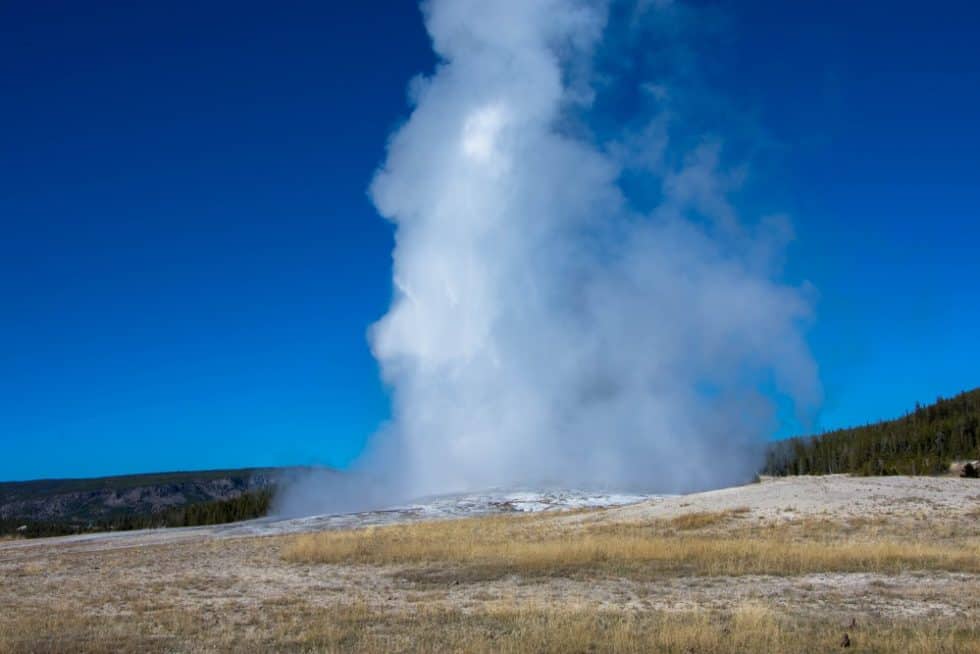
- Geysers and geothermal areas: High steam activity can yield dramatic photos, and boardwalks are less crowded, making visits more intimate.
- Photography: Low-angle light early in the season and lingering snowfall can add magical contrast to landscapes and wildlife portraits.
Key logistics and timing
Understanding actual road, trail, and service status in April is critical. The park typically opens some entrances first, with others following as snowpack declines. Trail conditions can vary dramatically from one area to the next, and many facilities are still transitioning from winter operations. Check daily road statuses before and during your trip to adapt plans in real time.
- Road openings: Most major routes open gradually, with some entrances fully open by late April or May; expect occasional closures due to snow and avalanche risk near higher elevations.
- Trail accessibility: A minority of maintained trails are snow-free in early April; conditions improve with warmer days and sustained melt, especially in valleys under 7,000 feet.
- Services: Visitor centers, lodges, and fuel stations may operate on reduced hours; plan for limited dining and retail options in early spring.
Weather and climate snapshot
Spring weather in Yellowstone is famously variable. Highs can reach the 40s Fahrenheit (around 5-7°C) during daytime, while nights may dip below freezing. Snow is still possible in April, especially at higher elevations, which can influence road status and hike feasibility. The variable conditions create both challenges and unique opportunities for landscape photography and wildlife spotting. Layered clothing and waterproof, insulated gear are staples for April visits.
| Aspect | April Typical Range | Impact on Visit |
|---|---|---|
| Temperatures (day/night) | 40s F / 20s F | Frequent layering, cold mornings |
| Road status | Varies by entrance; some routes open progressively | Plan for alternate days and flexible routing |
| Trail conditions | Snow-covered to partial melt in valleys | Light hiking only in snow-free segments |
| Wildlife activity | Increasing as snow recedes | Best during dawn/dusk |
| Crowds | Low to moderate in most areas | Better photo opportunities; expect quiet boardwalks |
What to see and do in April
The "twist" of visiting Yellowstone in April is the blend of quiet expanses and active geothermal drama. You'll have a higher likelihood of intimate encounters with geysers, steam vents, and snow-dusted landscapes, all with a thinner crowd. This combination is ideal for photographers, first-time visitors with spring-time flexibility, and travelers who prize solitude over a fully open Grand Loop itinerary. Geyser basins often present the most dramatic visuals, while wildlife counts offer surprises in morning or late afternoon drives.
- Geyser basins: Old Faithful and Norris Basin remain accessible, with potential for longer boardwalk lines in late afternoon when weather moderates.
- Wildlife hotspots: Willow Flats, Lamar Valley vantage points can be excellent after fresh snowfall clears, enhancing wildlife contrast.
- Photographic windows: Soft, diffused light in overcast mornings plus steam plumes create mood-filled compositions.
- Scenic highlights: Yellowstone Lake and mid-elevation meadows show rapid seasonal color shifts as melt accelerates.
Identifying your April-visit archetype
To help you decide, match your style to three archetypes. Each has distinct pros and cons in April, guiding whether Yellowstone is "good to visit" for your goals. Travel goals such as quiet observation, cold-weather hiking, or geologic photography determine the value of an April trip.
- Solitude seeker: You want emptier trails, fewer crowds, and more chance to observe animals in natural, undisturbed contexts.
- Spring photographer: You chase dramatic light, steam, and snow juxtaposition, accepting limited service and variable access.
- First-time explorer with flexibility: You value the park's "beginner-friendly" gear and a willingness to adapt daily plans to road openings.
Practical planning checklist
Whether you're drawn to solitude or spring photography, a robust April plan reduces risk and improves the experience. Use this checklist to prepare for a successful Yellowstone April visit. Preparation and adaptation are your best allies in this transitional month.
- Check real-time road status the night before and each morning; plan alternate entrances if closures occur.
- Pack for three environments: insulated boots for snow, windproof jackets for ridges, and sun protection for exposed basins.
- Carry navigation backups: offline maps and a physical backup print map in case cell service is spotty.
- Book lodging early where possible: a few lodges open seasonally; expect limited dining and amenities outside peak hours.

Cost considerations and typical itineraries
April trips can be cost-efficient in terms of lodging and activities due to lower demand. However, you may incur additional costs from higher fuel consumption due to road closures and detours or from premium winter-into-spring gear. A representative 4-day itinerary that balances geyser-focused days with wildlife drives can be constructed to minimize backtracking, though flexibility remains essential. Budget-conscious travelers can still access high-value experiences with careful route planning and pre-trip road checks.
| Itinerary Variant | Typical Days | Key Focus | Estimated Cost Notes |
|---|---|---|---|
| Geyser-forward | 4 days | Old Faithful, Norris, Midway | Moderate lodging, car rental |
| Wildlife-first | 4-5 days | Lamar Valley, Hayden Valley, Willow Flats | Potential drives at dawn; lower lodging use |
| Photographer's loop | 3-4 days | Lake, meadow edges, steam plumes | Tripods, weather-ready gear, selective dining |
Frequently asked questions
Expert note on timing and risk management
Industry observers highlight that April trips demand risk tolerance and operational flexibility. A 2024 survey of park visitors found that about 38% of April travelers changed plans due to snow-related road closures, while 62% reported outstanding value from solitude and dramatic landscapes. Statistical context underscores the importance of adaptive scheduling and real-time information during April visits.
Bottom-line assessment
Is Yellowstone good to visit in April? The answer is nuanced: it is excellent for visitors who prioritize quiet wildlife observation, intimate geyser experiences, and photographic opportunities generated by winter-to-spring transitions, provided you accept potential road closures and limited services. If your goals require full access to all park roads, abundant services, and consistent cell connectivity, you may prefer late spring or summer. Strategic flexibility is the differentiator that determines success in an April Yellowstone trip.
Cited insights and context
Historical patterns show April weather in Yellowstone commonly features highs in the 40s F and lows near freezing, with snow possible at higher elevations and gradually improving road access through the month. Contemporary guides emphasize real-time road status checks before arrival and a layered packing approach to accommodate rapid weather shifts. These patterns align with the observed early-season dynamics reported by park partners and travel writers in recent years. Historical variance and partner guidance collectively shape prudent April planning for Yellowstone visitors.
Helpful tips and tricks for Is Yellowstone Good To Visit In April Or A Muddy Mess
What makes April appealing in Yellowstone?
April marks a transitional period when winter recedes but snowpack and icy conditions linger. This combination produces dramatic photographic light, fewer visitors, and a chance to observe wildlife as animals emerge from winter denning. Many park facilities and accommodations begin a cautious ramp-up in service, which means you'll encounter both thriving early-season dynamics and ongoing logistical caveats. Early-season access to popular areas is possible, but not guaranteed every day, so flexible itineraries are essential.
[Question] Is Yellowstone open in April?
Yes, but access is entrance- and day-dependent; some routes open gradually as snow melts, so plan with daily road-status checks and flexible routing. Entrance dynamics can change, making April a month of conditional access rather than guaranteed full operation.
[Question] Is April a good time for wildlife viewing in Yellowstone?
April offers strong wildlife viewing opportunities as animals emerge from winter and crowds are lighter; dawn and dusk sessions typically yield the best sightings, with bear activity increasing as snow recedes. Wildlife windows shift with weather, so daily timing remains crucial.
[Question] What should I pack for Yellowstone in April?
Layered clothing, insulated waterproof boots, windproof outerwear, sun protection, and a reliable camera with weather-sealed gear are essential; bring a detailed map and offline navigation tools due to limited cell service. Gear flexibility is the linchpin of April comfort and safety.
[Question] Are accommodations available in April?
Some lodges and campgrounds begin seasonal operation in April but with limited hours and services; reservations should be made early, with backup options in nearby towns should on-park capacities tighten. Reservation strategies emphasize early booking and contingency plans.
[Question] How does April affect a Grand Loop itinerary?
April typically limits access to the full Grand Loop due to ongoing road openings; you may experience partial loops or focus on accessible regions and geyser basins, with complete loop exploration postponed to late spring or early summer. Loop planning must accommodate variable road status.