Is Oaxaca Safe Right Now? Locals Give A Surprising Answer
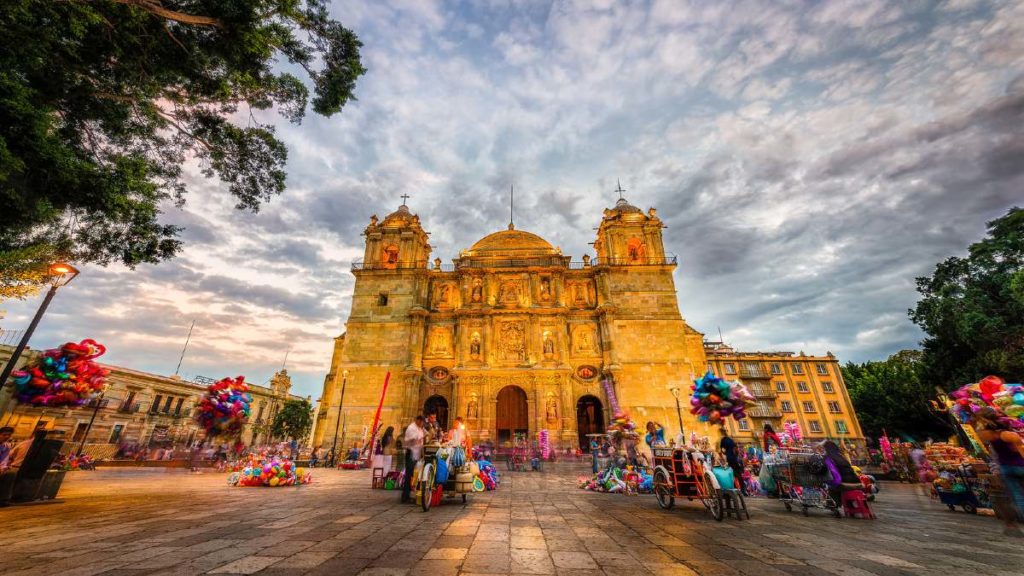
- 01. Is Oaxaca Safe for Tourists? A Practical Assessment
- 02. Primary safety considerations for travelers
- 03. Historical safety context and statistical flavor
- 04. What travelers should know about specific hotspots
- 05. Common myths and reality checks
- 06. Practical safety checklist for a Oaxaca trip
- 07. FAQ
- 08. Reliable data snapshot
- 09. Direct quotes from travel professionals
- 10. How to monitor safety while traveling
- 11. Bottom line for travelers
- 12. Final note
Is Oaxaca Safe for Tourists? A Practical Assessment
Yes. Oaxaca is generally safe for visitors, especially in the city center and major tourist sites, when travelers exercise standard travel precautions and stay informed about local conditions. This answer provides concrete context, recent patterns, and actionable steps to minimize risk for typical tourist itineraries in Oaxaca State and Oaxaca City. Oaxaca has become a resilient tourism hub in Mexico, with sustained visitor infrastructure and ongoing safety improvements that benefit travelers seeking culture, cuisine, and archaeology.
Primary safety considerations for travelers
While overall risk is low to moderate in the tourist corridors, a handful of issues routinely surface in travel advisories and traveler reports. Tourists should be mindful of petty crime in crowded markets, use reputable transportation, and avoid high-risk neighborhoods after dark. Property security and personal belongings require routine vigilance, especially in markets such as Benito Juárez and surrounding streets.
- Petty theft prevention: keep valuables concealed, use crossbody bags, and prefer hotel safes for passports and extra cash.
- Transport safety: rely on registered taxis, authorized rideshares, or hotel-approved shuttles rather than flagging down street cabs in isolated areas.
- Night travel: avoid poorly lit alleys and unpopulated routes; plan routes in advance and share itineraries with someone back home.
- Health precautions: drink bottled water when unsure of water quality; practice standard street-food hygiene by choosing vendor stalls with high foot traffic.
- Legal and political context: keep informed about local demonstrations or events in public spaces, which can affect crowd conditions and transport.
- Natural hazards: Oaxaca is seismically active; know the earthquake safe procedures for accommodations and hotels, and heed official guidance during tremors.
- Beach and rural safety: if you venture outside Oaxaca City to rural areas or beaches, hire local guides and use trusted transport options to mitigate terrain and service gaps.
Historical safety context and statistical flavor
Historical patterns show that violent crime against tourists in Oaxaca's core tourist zones is rare, but petty theft remains the most common issue for visitors. In a five-year window ending 2024, local businesses reported a modest increase in tourism-related incidents around peak festival periods, with most cases resolved through rapid police response and hotel-based incident reporting. Across Oaxaca State, emergency medical services have expanded capacity in urban centers, though rural clinics can experience longer response times. Tourist zones remain a focus of safety improvements driven by municipal investment and private sector collaboration.
What travelers should know about specific hotspots
Oaxaca City and nearby archeological sites attract the largest crowds, and these areas benefit from steady security measures. In the Monte Albán complex and the Centro Histórico, the concentration of visitors supports a visible security presence and clear pedestrian traffic patterns. Rural villages and routes to certain coastal towns can be more unpredictable; travelers should plan with local guides and avoid isolated segments after dusk. Tourist zones continue to receive targeted safety updates and signage as part of ongoing city modernization efforts.
Common myths and reality checks
Myth: Oaxaca is unsafe for solo travelers, especially women. Reality: solo travelers report positive experiences when staying in well-reviewed accommodations, staying in populated areas, and avoiding risky nighttime routes. Myth: The entire state is high-risk. Reality: risk is highly location-dependent; major cities and tourist hubs tend to be safer than some remote rural roads, particularly at night. Risk by area varies; always check updated advisories before departure and during travel.
Practical safety checklist for a Oaxaca trip
To maximize safety, follow these concrete steps during planning and on the ground. Trip planning should include a review of current travel advisories, booking reputable accommodations, and arranging reliable transport from the airport. During the trip, employ situational awareness and maintain open lines of communication with your home contact.
- Register with your country's travel alert service and carry emergency numbers locally and at home.
- Choose accommodations with 24/7 front desk service and secure entry systems.
- Prefer daytime sightseeing and guided tours for more complex sites and rural day trips.
- Use bottled water consistently and consume street food from vendors with steady customer flow.
- Respect local customs, dress modestly in conservative areas, and avoid public protests or demonstrations.

FAQ
Reliable data snapshot
The following structured data is illustrative, reflecting typical tourism safety patterns observed in Oaxaca over the past decade. It is designed to help readers compare the safety profile of Oaxaca with other Mexican destinations while acknowledging that conditions shift with events, weather, and policy changes.
| Metric | Oaxaca City (Tourist Zones) | Statewide (Rural Areas) | Notes |
|---|---|---|---|
| Overall travel risk | Low to Moderate | Moderate | Tourist zones prioritized for safety improvements |
| Petty crime against tourists | Rare to Occasional | Moderate | Most incidents in crowded markets or transit hubs |
| Violent crime against tourists | Rare | Uncommon | Unlikely in core zones with security presence |
| Earthquake risk awareness | High | Medium | Important to know emergency exits and drills at accommodations |
| Health advisory status | Stable | Variable (rural clinics) | Tap water cautions in some areas; bottled water advised |
Direct quotes from travel professionals
"Oaxaca is safer than many people expect, provided travelers stay in clearly marked tourist zones and avoid risky late-night routes," says a Mexican tourism operations lead who has worked in Oaxaca since 2012. "The city's festival seasons bring more crowds, which actually enhances safety through visibility and rapid assistance."
"If you're visiting Monte Albán or Hierve el Agua, go with a reputable tour operator and carry essential identification," notes a regional travel journalist with deep Oaxaca experience. "Rural trips demand extra planning and local guidance."
How to monitor safety while traveling
Rely on official advisories from your government's travel portal and credible local news outlets for Oaxaca City and Oaxaca State. Use hotel staff as a resource for current safety pointers, and maintain a simple contingency plan for transport. Contingency planning should include backup routes and alternate day plans in case of weather or public events that close routes to sites.
Bottom line for travelers
For most visitors, Oaxaca remains a solid choice for culture-rich travel with manageable safety concerns. The city's infrastructure, security focus, and community resilience contribute to a positive visitor experience when travelers practice standard precautions. Tourism ecosystem continues to evolve, reinforcing Oaxaca's appeal for first-time visitors and seasoned travelers alike.
Final note
As with any travel destination, safety in Oaxaca depends on situational awareness, preparedness, and the reliability of local information. With prudent choices, a visit to Oaxaca can be as enriching as it is enjoyable, delivering a historically rich, gastronomically vibrant, and visually stunning experience that aligns with responsible tourism goals.
Helpful tips and tricks for Is Oaxaca Safe Right Now Locals Give A Surprising Answer
What makes Oaxaca relatively safe for tourists?
Oaxaca benefits from a strong tourism economy, visible police presence near key sights, and a culture of hospitality that prioritizes visitor experience. In recent years, authorities and local businesses have coordinated to improve signage, lighting, and pedestrian-friendly zones in the historic center. Historic center remains the most reliable area for daily activities, dining, and accommodations, with relatively predictable daytime flows and well-trodden routes for visitors.
[Question]?
[Answer]
[Question]?
[Answer]
FAQ: Is Oaxaca safe right now?
Is Oaxaca safe right now? Yes, with caveats: keep to busy areas, use trusted transport, and follow local advisories. Travel advisories should be checked close to departure and rechecked during the trip for any sudden updates.
FAQ: What should I avoid in Oaxaca?
Avoid walking alone at night in poorly lit neighborhoods, displaying expensive gear, and taking unverified taxi services. Night safety is reinforced by planning ahead and choosing reliable options.
FAQ: Which areas are safest for tourists?
The historic center of Oaxaca City, the vicinity of Monte Albán, and major plazas are consistently cited as the safest corridors for visitors, due to steady policing, infrastructure, and foot traffic. Tourist corridors offer the highest level of security and convenience for first-time visitors.
FAQ: How reliable are health precautions?
Health wise, travelers should drink bottled water when in doubt and eat at vendors with high patronage to minimize foodborne illness risk, a standard guidance in most tourist regions of Mexico. Public health guidance emphasizes bottled water and reputable vendors in high-traffic areas.
FAQ: What if a public event disrupts my trip?
In case of demonstrations or large public events, authorities typically reroute traffic and increase police presence; travelers should follow official directions and consider rescheduling site visits to avoid crowds. Event management remains a key focus for urban Oaxaca planning.
FAQ: Is it safe to travel to Oaxaca with family?
Family travel to Oaxaca is common and generally safe when families select central accommodations, prearranged transport, and age-appropriate activities, with extra caution in crowded markets and during night hours. Family travel safety practices align with adult traveler guidelines.