Is Nutria A Capybara-or A Totally Different Animal
- 01. Key Differences Between Nutria and Capybara
- 02. Scientific Classification and Evolution
- 03. Physical Characteristics Compared
- 04. Habitat and Geographic Distribution
- 05. Behavior and Diet Differences
- 06. Ecological Impact and Human Interaction
- 07. Why People Confuse Nutria and Capybara
- 08. Identification Tips in the Wild
- 09. Frequently Asked Questions
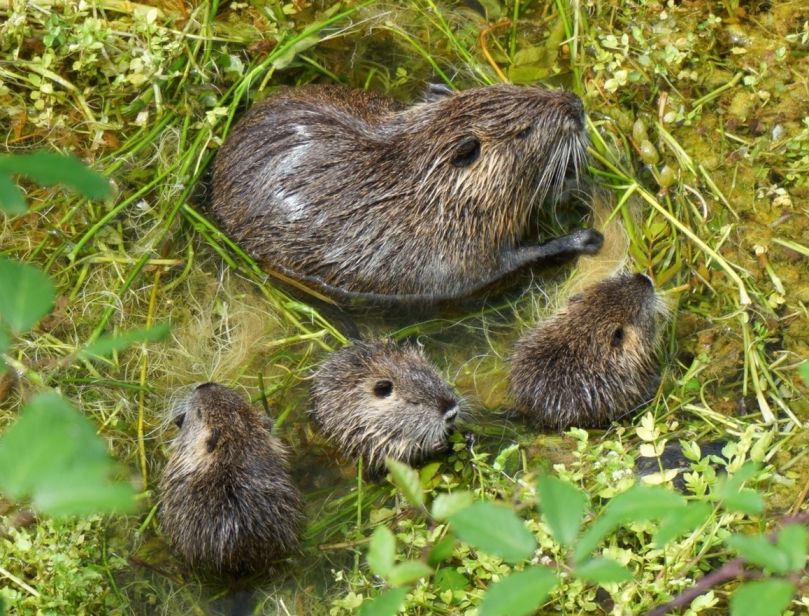
No, a nutria is not a capybara. Although they are both large, semi-aquatic rodents from South America, they belong to different genera, have distinct physical traits, and play very different ecological roles. Nutria (Myocastor coypus) are smaller, invasive in many regions, and known for environmental damage, while capybaras (Hydrochoerus hydrochaeris) are the world's largest rodents and are generally non-invasive, native grazers.
Key Differences Between Nutria and Capybara
The confusion between these animals often arises because both are semi-aquatic rodents with webbed feet and similar habitats. However, scientific classification and field observations clearly distinguish them. According to a 2023 report by the U.S. Fish and Wildlife Service, nutria populations in North America exceed 1 million individuals, while capybaras remain largely confined to their native range in South America.

- Nutria belong to the genus Myocastor; capybaras belong to Hydrochoerus.
- Nutria weigh 15-20 pounds on average; capybaras can reach 150 pounds.
- Nutria have long, rat-like tails; capybaras have almost no visible tail.
- Nutria are considered invasive in many countries; capybaras are native species.
- Nutria are known for destructive feeding habits; capybaras are primarily grazers.
Scientific Classification and Evolution
From a biological standpoint, nutria and capybara diverged millions of years ago despite both being part of the rodent family. Nutria belong to the family Echimyidae, often called spiny rats, whereas capybaras belong to Caviidae, which also includes guinea pigs. A 2022 phylogenetic study published in the Journal of Mammalian Evolution estimated their divergence at approximately 35 million years ago, reinforcing that they are not closely related species.
Physical Characteristics Compared
The most visible differences between nutria and capybara lie in their physical appearance. Nutria have coarse brown fur, bright orange incisors, and a long cylindrical tail, while capybaras have barrel-shaped bodies, short limbs, and blunt snouts. Wildlife biologists often note that capybaras resemble oversized guinea pigs, whereas nutria look more like large aquatic rats.
| Feature | Nutria | Capybara |
|---|---|---|
| Scientific Name | Myocastor coypus | Hydrochoerus hydrochaeris |
| Average Weight | 15-20 lbs | 80-150 lbs |
| Tail | Long, round | Very short, nearly absent |
| Teeth Color | Bright orange | White to yellow |
| Native Range | South America | South America |
| Invasiveness | Highly invasive | Not invasive |
Habitat and Geographic Distribution
Both animals thrive in wetlands, rivers, and marshes, but their geographic spread differs significantly. Nutria were introduced to North America, Europe, and Asia in the early 20th century for fur farming. By 1950, escaped populations had established themselves in at least 17 U.S. states. Capybaras, in contrast, remain primarily in South America, especially Brazil, Venezuela, and Colombia, although small introduced populations exist in Florida.
Behavior and Diet Differences
Behaviorally, nutria and capybara show distinct patterns tied to their feeding habits. Nutria consume up to 25% of their body weight daily, often uprooting entire plants and destabilizing wetlands. Capybaras, on the other hand, graze on grasses and aquatic plants without causing the same level of ecological disruption. According to a 2024 environmental assessment in Louisiana, nutria damage contributes to the loss of approximately 100,000 acres of coastal wetlands annually.
- Nutria feed aggressively and destroy root systems, leading to erosion.
- Capybaras graze selectively, maintaining plant balance.
- Nutria are more solitary or form small groups.
- Capybaras live in social groups of 10-20 individuals.
- Capybaras exhibit complex vocal communication; nutria are less vocal.
Ecological Impact and Human Interaction
The environmental impact of nutria is a major concern for conservationists. Invasive nutria populations have caused billions of dollars in damage globally, particularly in wetland ecosystems. Capybaras, by contrast, are often seen as keystone species that support biodiversity. In some regions, they are even protected due to their ecological importance.
"Nutria are among the most destructive invasive mammals in North American wetlands," stated a 2023 U.S. Geological Survey briefing, highlighting their role in accelerating marsh loss.
Why People Confuse Nutria and Capybara
The confusion largely stems from their shared semi-aquatic lifestyle and similar body posture when swimming. Both animals have eyes, ears, and nostrils positioned high on their heads, allowing them to stay mostly submerged. Social media images and viral videos often mislabel nutria as "mini capybaras," further spreading misinformation.
Identification Tips in the Wild
If you encounter a large rodent near water, there are reliable ways to distinguish them based on visual cues. Wildlife experts recommend focusing on tail shape, size, and facial features for quick identification.
- Look for the tail: long and rat-like means nutria; nearly invisible means capybara.
- Check size: dog-sized suggests capybara; smaller suggests nutria.
- Observe teeth: bright orange incisors indicate nutria.
- Watch behavior: large social groups are typical of capybaras.
Frequently Asked Questions
Helpful tips and tricks for Is Nutria A Capybara Or A Totally Different Animal
Is nutria the same as capybara?
No, nutria and capybara are different species with distinct sizes, behaviors, and ecological roles. Nutria are smaller and invasive in many regions, while capybaras are larger and native to South America.
Which is bigger, nutria or capybara?
Capybaras are significantly larger, weighing up to 150 pounds, compared to nutria, which typically weigh under 20 pounds.
Are nutria dangerous to humans?
Nutria are generally not aggressive but can bite if cornered. Their main risk comes from environmental damage and potential disease transmission.
Why are nutria considered invasive?
Nutria reproduce quickly and destroy wetland vegetation, leading to erosion and habitat loss. Their impact has been documented extensively in North America and Europe.
Can capybaras live in the United States?
Capybaras can survive in warm regions like Florida, but they are not widespread or considered invasive like nutria.
Do nutria and capybara interact in the wild?
They rarely interact because their natural ranges and population distributions differ, although both originate from South America.