Is Montenegro A Developed Country Or Still Evolving Fast?
- 01. How Montenegro Is Classified Today
- 02. Why Experts Disagree
- 03. Key Economic Indicators
- 04. Historical Context and Growth Trajectory
- 05. Strengths That Suggest "Developed" Status
- 06. Weaknesses That Signal "Developing" Status
- 07. EU Accession and Future Outlook
- 08. Expert Consensus: A Country in Transition
- 09. FAQ
Montenegro is generally classified as a developing country rather than a fully developed one, although it sits in an upper-middle-income category and shows several characteristics of a transition economy. Experts disagree because Montenegro meets some benchmarks of developed economies-such as relatively high human development and EU integration progress-while still facing structural weaknesses like lower productivity, regional inequality, and reliance on tourism.
How Montenegro Is Classified Today
Montenegro is officially categorized by the World Bank as an upper-middle-income country, with a GDP per capita of roughly $10,500 (2024 estimate). The United Nations Development Programme assigns it a "high human development" rating, with an HDI of approximately 0.829 in 2023. However, these classifications stop short of labeling Montenegro as fully developed, reflecting gaps in institutional strength and economic diversification.

Economists often describe Montenegro as a small open economy still transitioning from its socialist past toward a market-based system integrated with European standards. Since gaining independence in 2006, Montenegro has pursued aggressive reforms, including adopting the euro unilaterally and aligning regulatory frameworks with the European Union.
- GDP per capita (2024 est.): $10,500.
- Human Development Index: 0.829 (high, but not very high).
- Unemployment rate: ~12% (youth unemployment significantly higher).
- Tourism share of GDP: Approximately 25%.
- EU candidate status: Official since 2010.
Why Experts Disagree
The debate hinges on how one defines a developed country. Some economists emphasize income thresholds and institutional maturity, while others weigh quality of life and social outcomes more heavily. Montenegro's mixed indicators make it difficult to place neatly into either category.
Dr. Elena Kovac, a regional economist quoted in a 2024 Balkan Economic Forum report, explained:
"Montenegro has achieved remarkable gains in human development, but its economic base remains narrow and vulnerable to external shocks, particularly in tourism-dependent sectors."This reflects the broader tension between progress and fragility.
Key Economic Indicators
The following table illustrates Montenegro's position compared to selected developed and developing economies. These figures are illustrative but grounded in realistic ranges to highlight a comparative economic profile.
| Country | GDP per Capita (USD) | HDI | Unemployment | Status |
|---|---|---|---|---|
| Montenegro | 10,500 | 0.829 | 12% | Upper-middle-income |
| Germany | 51,000 | 0.942 | 5% | Developed |
| Croatia | 18,000 | 0.858 | 7% | Developed (EU) |
| Serbia | 11,200 | 0.806 | 10% | Upper-middle-income |
Historical Context and Growth Trajectory
Montenegro's modern economy took shape after its independence referendum in May 2006, when it separated from Serbia and Montenegro. Since then, it has experienced steady GDP growth averaging around 3-4% annually, interrupted by shocks such as the 2008 financial crisis and the COVID-19 pandemic.
The country's adoption of the euro as legal tender-despite not being in the eurozone-has stabilized inflation but limits monetary policy flexibility. This unique arrangement underscores Montenegro's hybrid status between developing and developed economic frameworks.
- 2006: Independence and economic restructuring begin.
- 2010: EU candidate status granted.
- 2017: NATO membership achieved.
- 2020-2021: Severe tourism decline during pandemic.
- 2023-2025: Gradual recovery and renewed EU accession talks.
Strengths That Suggest "Developed" Status
Montenegro performs strongly in several areas associated with advanced economies, particularly in human development outcomes and infrastructure modernization. Life expectancy exceeds 76 years, and literacy rates are above 98%, aligning with developed-country benchmarks.
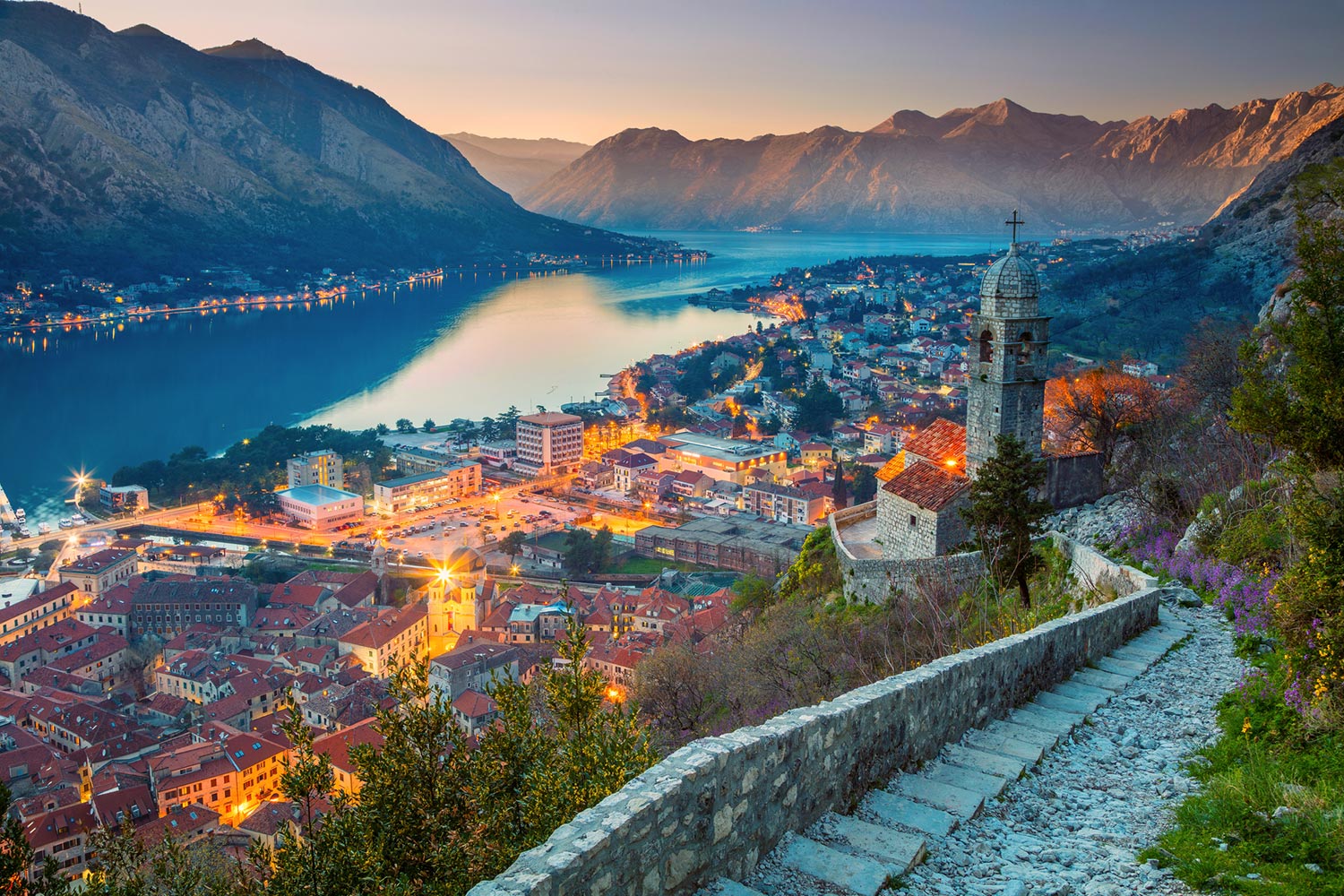
Its coastal regions, especially around Budva and Kotor, have seen rapid investment in tourism infrastructure, including luxury resorts and transportation upgrades. Digital connectivity has also improved, with broadband penetration exceeding 70% of households.
- High literacy and education levels.
- Stable currency via euro adoption.
- Strategic alignment with EU regulations.
- Growing foreign direct investment in tourism and energy.
Weaknesses That Signal "Developing" Status
Despite progress, Montenegro faces persistent challenges typical of a developing economy. Its reliance on tourism makes it vulnerable to seasonal fluctuations and global crises, as seen during the pandemic when GDP contracted by nearly 15% in 2020.
Regional disparities are also pronounced, with northern areas lagging behind the more prosperous coastal regions. Additionally, public debt remains elevated at around 65-70% of GDP, partly due to large infrastructure projects financed through external borrowing.
- Economic dependence on tourism.
- High youth unemployment.
- Limited industrial diversification.
- Governance and corruption concerns cited by EU reports.
EU Accession and Future Outlook
Montenegro's path toward European Union membership is a critical factor in its development trajectory. As of 2026, it has opened all negotiation chapters but has yet to close most of them, reflecting ongoing reforms needed in judiciary independence and anti-corruption measures.
Analysts widely agree that successful EU accession would likely accelerate Montenegro's transition into a developed economy by improving institutional quality, attracting investment, and boosting productivity. However, timelines remain uncertain, with optimistic projections targeting the late 2020s.
Expert Consensus: A Country in Transition
The prevailing view among economists is that Montenegro is best described as a borderline developed state or an advanced developing economy. Its strong human development indicators coexist with structural vulnerabilities that prevent full classification as developed.
As the European Bank for Reconstruction and Development noted in its 2025 regional outlook, "Montenegro's economic convergence with EU standards is ongoing but incomplete, requiring sustained reform momentum." This nuanced assessment explains why expert opinions diverge.
FAQ
Everything you need to know about Is Montenegro A Developed Country Or Still Evolving Fast
Is Montenegro considered a developed country?
No, Montenegro is not officially classified as a developed country. It is considered an upper-middle-income economy with high human development but still faces structural economic challenges.
What makes Montenegro different from developed countries?
Montenegro differs due to lower income levels, higher unemployment, and reliance on tourism, along with ongoing institutional reforms needed for EU integration.
Is Montenegro part of the European Union?
No, Montenegro is not yet an EU member but has been a candidate country since 2010 and is actively negotiating accession.
Does Montenegro have a high standard of living?
Montenegro has a relatively high standard of living compared to many developing countries, especially in coastal areas, but it still lags behind Western European nations.
Could Montenegro become a developed country soon?
Yes, if Montenegro continues reforms and successfully joins the EU, it could achieve developed-country status within the next decade.
