Is Matcha Good For Autoimmune Disease Really
- 01. Bottom line on matcha
- 02. What "good for autoimmune" usually means
- 03. Evidence snapshot (what we can and can't claim)
- 04. "Is it good?" depends on your disease
- 05. How matcha could help (plausible mechanisms)
- 06. Matcha "hype" vs evidence
- 07. Safety and practical dosing
- 08. Clinical-style decision checklist
- 09. Stats that help you interpret claims
- 10. Example: a 14-day "personal evidence" trial
- 11. Key takeaways for autoimmune patients
Matcha may be a potentially supportive drink for some people with autoimmune conditions because green tea polyphenols (especially catechins/EGCG) can influence inflammation-related pathways and oxidative stress, but it is not a proven autoimmune "treatment" and it can interact with medications or worsen symptoms for some individuals. If you have an autoimmune disease, the practical takeaway is: treat matcha as an optional, evidence-informed supplement-discuss it with your clinician, start small, and monitor symptoms.
Bottom line on matcha
Matcha contains concentrated green-tea polyphenols (including EGCG) that have been studied for anti-inflammatory and antioxidant effects, which is one reason some researchers and clinicians consider it a reasonable lifestyle adjunct. However, the leap from "may affect immune/inflammation biology" to "improves autoimmune disease outcomes" is not consistently proven in large, high-quality clinical trials for most autoimmune diagnoses.
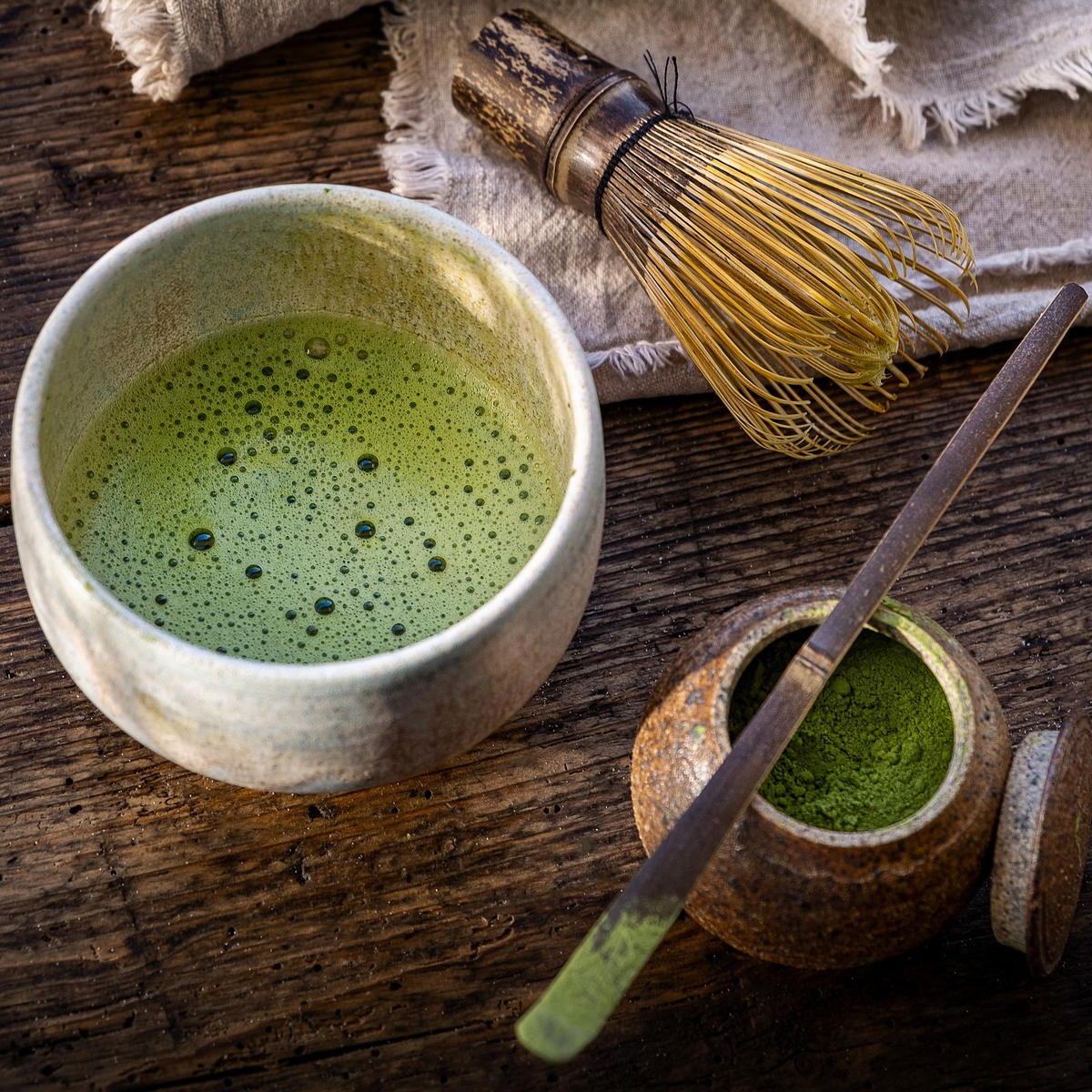
Historically, matcha comes from Japanese tea culture and is essentially powdered green tea, meaning you ingest more of the tea's solid compounds than you would with steeped tea. That delivery method is part of why matcha became popular in wellness circles, alongside broader green-tea research linking catechins to cardiometabolic and inflammatory markers.
What "good for autoimmune" usually means
When people ask whether matcha is good for autoimmune disease, they typically mean one of three things: (1) lowering chronic inflammation signals, (2) supporting gut-immune interactions, or (3) reducing oxidative stress that may contribute to tissue irritation. Green-tea bioactives are biologically plausible candidates for these goals, but evidence varies a lot by condition and study design.
Inflammation in autoimmunity isn't one single pathway, so even if matcha nudges certain immune markers, that does not guarantee fewer flares or symptom improvement. This is the core reason matcha should be framed as "supportive nutrition," not "hype with certainty."
- Inflammation markers: Some studies of tea polyphenols look at markers like CRP and broader inflammatory signaling, but results are mixed and condition-specific.
- Gut-immune axis: Matcha polyphenols are studied for effects on the gut environment and barrier-related mechanisms, which can matter because immune dysregulation often involves gut-immune interactions.
- Oxidative stress: Catechins/EGCG are known antioxidants, and reducing oxidative stress is a common mechanistic theme in green-tea research relevant to chronic inflammatory states.
- Medication considerations: Because matcha includes caffeine and bioactive catechins, it can affect sleep, anxiety, reflux, or lab values in some people, and that may indirectly affect symptom perception or tolerance.
Evidence snapshot (what we can and can't claim)
Scientific interest in matcha is often tied to EGCG's immune-modulating potential and tea's polyphenol profile, which has been explored across metabolic and inflammatory contexts. For autoimmune diseases specifically, reviews and mechanistic discussions exist, but clinical outcome evidence (how many people, which diagnoses, and how strong the results are) is still not definitive for "treating" autoimmunity with matcha alone.
Also, many popular claims are extrapolated from related findings in rheumatoid arthritis, inflammatory eye conditions, or general inflammatory marker studies-not from large randomized trials that establish matcha as an add-on standard of care for multiple autoimmune diseases. That distinction matters if you're trying to avoid hype and focus on actionable information.
| Autoimmune context | What matcha might influence | Evidence strength (practical) | What to watch |
|---|---|---|---|
| General immune/inflammation | Antioxidant and polyphenol-driven pathway modulation | Moderate mechanistic interest, limited outcome certainty | Flare frequency, symptom triggers, tolerance |
| Gut-immune interaction | Potential effects on barrier-related mechanisms and gut environment | Promising but indirect for clinical outcomes | GI symptoms (reflux, cramps), stool changes |
| Inflammatory markers | Potential influence on markers such as CRP (in some related studies) | Condition-dependent, not a guaranteed improvement | Trends in lab work with clinician guidance |
| Medication compatibility | Caffeine and polyphenols may affect sleep/anxiety and overall tolerance | Evidence varies; use clinician input | Medication timing, side effects, adherence |
"Is it good?" depends on your disease
Different autoimmune diseases involve different target organs and immune pathways, so the most accurate way to interpret matcha is condition-by-condition rather than "one-size-fits-all." Green tea and matcha research is often discussed broadly for immune modulation, but the translational evidence into concrete clinical benefit differs by diagnosis.
For example, some articles and reviews discuss autoimmune-linked inflammatory conditions where tea polyphenols have been studied for antioxidant or anti-inflammatory effects, but that still doesn't prove matcha prevents or stops autoimmune progression. Treat these as supportive signals, not decisive proof.
- If you're in a stable phase: you may experiment with small amounts first, since the risk of misattributing early improvements (or worsening) is lower.
- If you're in a flare: focus on your established medical flare plan; consider matcha only if it has previously been well tolerated.
- If you're on immunosuppressants: discuss caffeine/polyphenol intake and timing with your clinician, since tolerance and nutrition can affect overall disease experience and monitoring.
- If you have GI sensitivity: start smaller or choose a time of day that doesn't worsen reflux or stomach upset, since matcha includes caffeine and can be more concentrated than brewed tea.
How matcha could help (plausible mechanisms)
Matcha is rich in catechins and other tea polyphenols that have been linked to antioxidant activity and anti-inflammatory signaling in research contexts. This mechanistic angle is why matcha frequently appears in conversations about autoimmunity support-because inflammation and oxidative stress are common themes in many chronic inflammatory states.
In addition, some wellness-focused clinical-adjacent discussions connect tea polyphenols to gut barrier and gut-immune interaction concepts (the "gut-immune axis"). While these links are biologically plausible, the key limitation is that "mechanism plausibility" does not automatically translate to consistent, measurable reductions in autoimmune symptoms across populations.
"Matcha" is often positioned as an immune-supporting beverage because its polyphenols may influence oxidative stress and inflammatory signaling; the practical question is whether that influence becomes meaningful for your specific autoimmune disease.
Matcha "hype" vs evidence
"Hype" usually looks like absolute statements such as "matcha cures autoimmunity" or "matcha prevents flares for everyone," which are not supported by strong clinical evidence. A more responsible framing is: matcha may help some people as part of a broader anti-inflammatory lifestyle pattern, but it is not a substitute for diagnosis-specific care.
Even websites that are pro-matcha commonly rely on extrapolations-like linking general green-tea anti-inflammatory findings to autoimmune disease outcomes-rather than reporting robust randomized trial results for each autoimmune diagnosis. That's why you should interpret matcha's role as "possible adjunct" rather than "proven therapy."
Safety and practical dosing
If you want to try matcha, the safest approach is conservative: start with a small serving, pay attention to sleep, anxiety, GI effects, and flare patterns, and keep your clinician informed. High caffeine intake can worsen sleep quality or reflux, which can indirectly affect how you feel and how you perceive symptom change.
Because matcha is concentrated, "more" is not automatically "better," and dosing should be personalized to your tolerance and current treatment plan. If you notice worsening fatigue, jitteriness, palpitations, headaches, or stomach upset, scale back or stop.
Clinical-style decision checklist
If you're trying to be evidence-led, treat matcha like a tracked intervention: decide on a goal (tolerance, reduced inflammation signals, or gut comfort), define your baseline symptoms, and then monitor changes. This approach helps you avoid the most common form of hype-assuming correlation equals benefit.
To strengthen the signal, align your monitoring with clinician-guided lab work when appropriate, rather than relying only on day-to-day feelings. If you do this well, you'll learn whether matcha helps you personally or just adds another variable.
- Start low, go slow: small serving first, then evaluate tolerance and symptom trends.
- Track 2-3 outcomes: flare frequency, GI symptoms, and sleep quality (not just one metric).
- Coordinate with care: mention matcha to your clinician, especially if you're on immunosuppressants or have reflux.
- Stop if it backfires: if symptoms worsen reliably, discontinue rather than "pushing through."
Stats that help you interpret claims
A useful way to interpret wellness claims is to compare them with typical evidence hierarchies: most "matcha helps autoimmunity" content reflects mechanistic plausibility and smaller or indirect studies, rather than large randomized trials with clinical endpoints. For example, many nutrition-adjacent reviews emphasize pathways (polyphenols, immune modulation, antioxidant effects) more than definitive flare-remission outcomes.
In a practical, decision-focused mindset, a "real benefit" would usually show up as consistent improvements across multiple measures (symptoms and possibly inflammation markers) in repeat observations, not just a one-off improvement. If you're seeing no consistent pattern after a careful trial window, that's evidence too.
Example: a 14-day "personal evidence" trial
If you decide to try matcha, use a structured micro-trial: keep your routine steady, don't change other variables, and document symptoms daily. This helps you separate true benefit from placebo, timing effects, or unrelated flare cycles.
By day 14, you should be able to say whether matcha is neutral, helpful, or harmful for your specific symptoms and tolerance. If helpful, you can discuss a sustainable routine; if neutral, you can discontinue without guilt.
- Days 1-3: take a small morning serving; log sleep quality and GI comfort.
- Days 4-10: keep the same dose; log flare symptoms and energy consistency.
- Days 11-14: decide whether to continue based on stable trends, not single days.
Key takeaways for autoimmune patients
Matcha is best viewed as a possible adjunct for autoimmune-related inflammation and oxidative stress pathways, not a guaranteed treatment or cure. The most defensible position is: if you tolerate it and it doesn't worsen symptoms, it may be worth considering as part of an overall anti-inflammatory lifestyle plan-under clinician guidance.
If you want the lowest-risk way to be practical, start small, track symptoms carefully, and avoid stopping or altering your autoimmune medication regimen on the basis of supplement experimentation. That approach keeps you grounded in evidence and reduces the impact of hype.
Everything you need to know about Is Matcha Good For Autoimmune Disease Really
What dose of matcha is safest?
A cautious starting point many clinicians would consider "testable" is a low daily amount (for example, a small serving early in the day) and then reassessing after about 1-2 weeks for sleep, GI tolerance, and symptom trends, rather than increasing immediately. The best exact dose for you depends on caffeine sensitivity and your autoimmune and medication profile.
Will matcha replace my autoimmune medication?
No. Matcha is not an established replacement for autoimmune medications, and stopping prescription therapy for a supplement would be unsafe. If you want to add matcha, do it as an adjunct and coordinate with your clinician.
Can matcha trigger autoimmune flares?
It can for some people, not because it's proven to worsen autoimmunity broadly, but because caffeine, concentrated polyphenols, or GI irritation can affect symptom perception and overall stress load. If your symptoms reliably worsen after matcha, stop and discuss alternatives.
Is matcha better than regular green tea?
Matcha can deliver more of the tea solids per serving because you consume the powdered leaves, which can mean a higher dose of catechins/EGCG than a comparable cup of brewed green tea. "Better" for autoimmunity still isn't guaranteed-tolerance, total caffeine, and your overall diet matter more than the label.
Could matcha improve labs like CRP?
Some research discussions connect tea polyphenols (including catechin-related compounds) with reductions in inflammation markers such as CRP in certain inflammatory contexts, but results are not universal and are not specific enough to guarantee benefit for every autoimmune patient. If you want to know for your body, lab trends monitored by your clinician are the most meaningful approach.
