Is Ecuador The Center Of The World? Science Says Wait
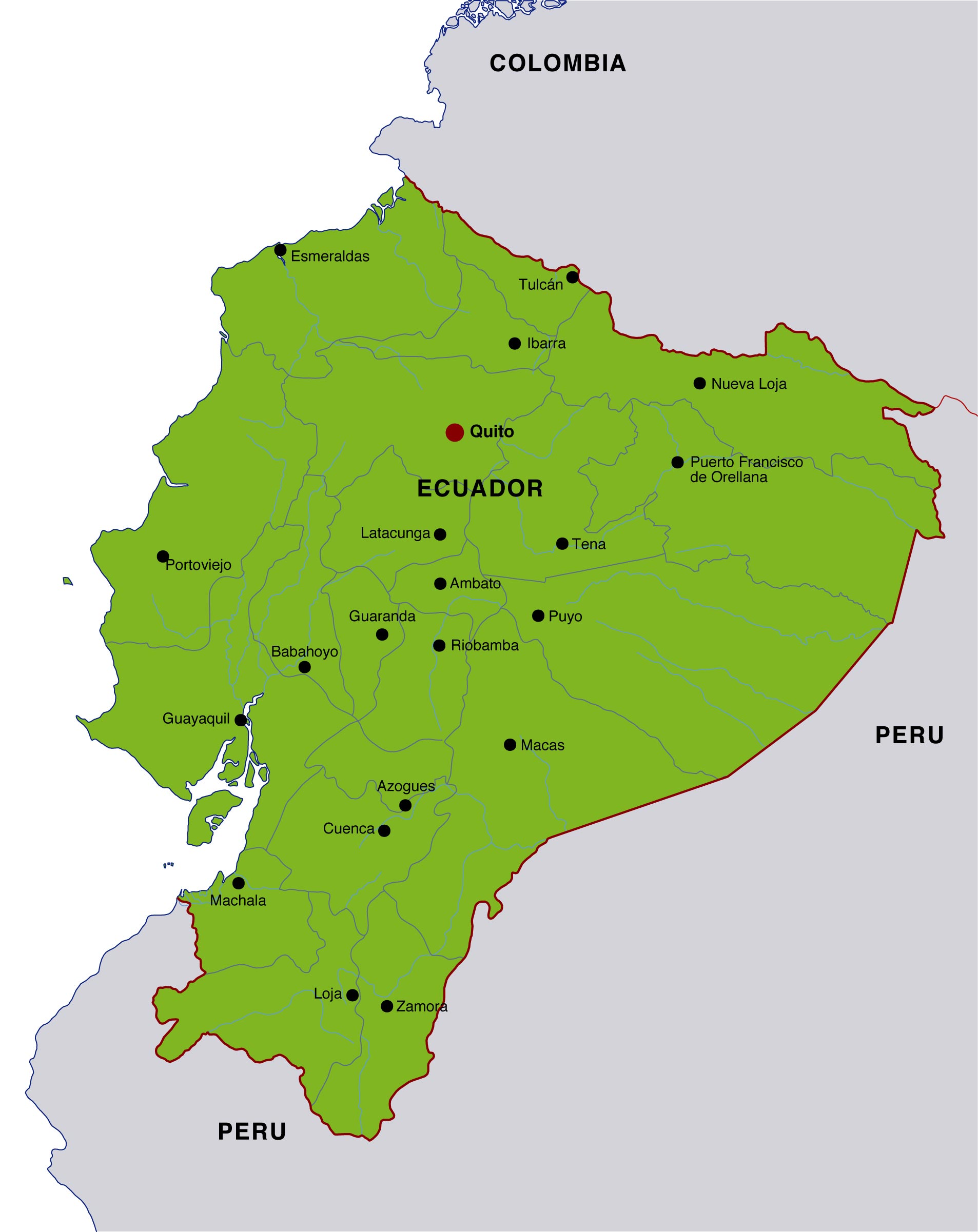
- 01. Why Ecuador Is Associated With the "Center of the World"
- 02. What Science Says About the Exact Center
- 03. Tourist Experiences and Cultural Interpretations
- 04. Comparison of Key Equator Sites in Ecuador
- 05. How Ecuador Uses Its "Center of the World" Identity
- 06. How to Visit the "Center of the World"
- 07. Why the Debate Continues
- 08. FAQ
Ecuador is often called "the center of the world" because the equator line runs directly through the country, but whether it is truly the exact geographic center depends on how you measure Earth. The famous Mitad del Mundo monument near Quito marks latitude 0°0′0″, yet modern GPS measurements show the precise equator lies about 240 meters north of the monument. This mix of science, symbolism, and tourism is why travelers still debate Ecuador's claim.
Why Ecuador Is Associated With the "Center of the World"
The name "Ecuador" itself comes from the Spanish word for equator line, reflecting its defining geographic feature. In 1736, a French geodesic mission led by Charles Marie de La Condamine arrived in the region to measure Earth's shape, confirming that the planet bulges at the equator. Their work established Ecuador as one of the earliest scientifically studied equatorial zones, cementing its identity as a global reference point.

The Mitad del Mundo monument, constructed in its modern form in 1979, stands about 30 meters tall and attracts over 1.5 million visitors annually according to Ecuador's Ministry of Tourism (2024 estimates). The monument was built based on 18th-century calculations, which were remarkably accurate for their time but slightly off compared to modern satellite data.
What Science Says About the Exact Center
Modern GPS technology reveals that the true equator position lies slightly north of the monument, closer to the Intiñan Solar Museum. Researchers using WGS84 geodetic standards-adopted globally for mapping-confirmed the discrepancy in the early 2000s, with measurements accurate to within centimeters.
- The Mitad del Mundo monument is about 240 meters south of the actual equator.
- The Intiñan Museum claims alignment with the true equator using GPS verification.
- Earth's equator is not a fixed "center point" but a continuous circular line.
- Different geodetic models can shift the exact measurement slightly.
This scientific nuance explains why debates persist among tourists, scientists, and local guides about what qualifies as the real "center."
Tourist Experiences and Cultural Interpretations
For many visitors, standing with one foot in each hemisphere at the equatorial landmark is more symbolic than scientific. Demonstrations-such as balancing an egg on a nail or observing water draining differently-are popular, though scientists note these effects are largely exaggerated or unrelated to the equator.
"People come here for the experience, not the coordinates," said María Torres, a Quito-based tour guide, in a 2025 интервью with Ecuador Travel Weekly. "Whether it's exact or not, it represents something powerful."
Tourism data from 2023-2025 shows that nearly 68% of international visitors to Quito include a stop at one of the equator attractions, making it one of the country's top destinations.
Comparison of Key Equator Sites in Ecuador
| Location | Claim | Accuracy | Annual Visitors (Est.) |
|---|---|---|---|
| Mitad del Mundo Monument | Historic equator marker | ~240m off | 1.5 million |
| Intiñan Solar Museum | GPS-aligned equator | Within meters | 600,000 |
| Quitsato Sundial | Scientific equator line | Highly accurate | 120,000 |
How Ecuador Uses Its "Center of the World" Identity
Ecuador has built a strong national brand around its geographic uniqueness. Government campaigns and tourism slogans frequently highlight the country as the only place where travelers can experience the equator in accessible urban settings. This branding contributes significantly to the economy, with equator-related tourism generating an estimated $120 million annually as of 2024.
The concept also plays a role in education and science outreach, with schools and universities using the equatorial location to teach astronomy, physics, and geography. Events such as equinox celebrations draw both locals and international visitors.
How to Visit the "Center of the World"
Travelers visiting Quito can easily explore multiple equator sites in one day, thanks to their proximity within 25 kilometers of the capital. Planning ahead helps maximize the experience.
- Start at Mitad del Mundo early to avoid crowds and explore the museum inside the monument.
- Visit Intiñan Solar Museum for interactive demonstrations and GPS-based explanations.
- Stop at Quitsato Sundial for a more scientific and less touristy perspective.
- Take photos at multiple markers to compare interpretations of the equator.
This approach allows visitors to understand both the scientific accuracy and cultural storytelling behind Ecuador's claim.
Why the Debate Continues
The debate over whether Ecuador is truly the "center of the world" persists because the phrase itself is more symbolic than literal. The Earth has no single center point on its surface, and the equator definition represents a line rather than a location. However, Ecuador's accessibility and historical significance make it one of the most prominent places to experience that line.
In practice, the disagreement is less about geography and more about interpretation-whether visitors prioritize historical landmarks, modern measurements, or experiential meaning.
FAQ
Key concerns and solutions for Is Ecuador The Center Of The World Science Says Wait
Is Ecuador really the center of the Earth?
No, Ecuador is not the center of the Earth in a literal sense. It lies on the equator, which is an imaginary line dividing the planet into northern and southern hemispheres.
Why is the Mitad del Mundo monument not exactly on the equator?
The monument was built using 18th-century measurements, which were slightly inaccurate compared to modern GPS technology, placing it about 240 meters off the true equator.
Where is the actual equator in Ecuador?
The true equator runs slightly north of the Mitad del Mundo monument, near the Intiñan Solar Museum and the Quitsato Sundial.
Can you stand in both hemispheres in Ecuador?
Yes, visitors can stand with one foot in each hemisphere at several marked locations, including both the monument and nearby scientifically aligned sites.
Is visiting the equator in Ecuador worth it?
Most travelers find it worthwhile due to the unique experience, cultural significance, and educational value, even if the exact coordinates vary slightly between locations.