Is Ecuador Safer Than Colombia? What Travelers Report
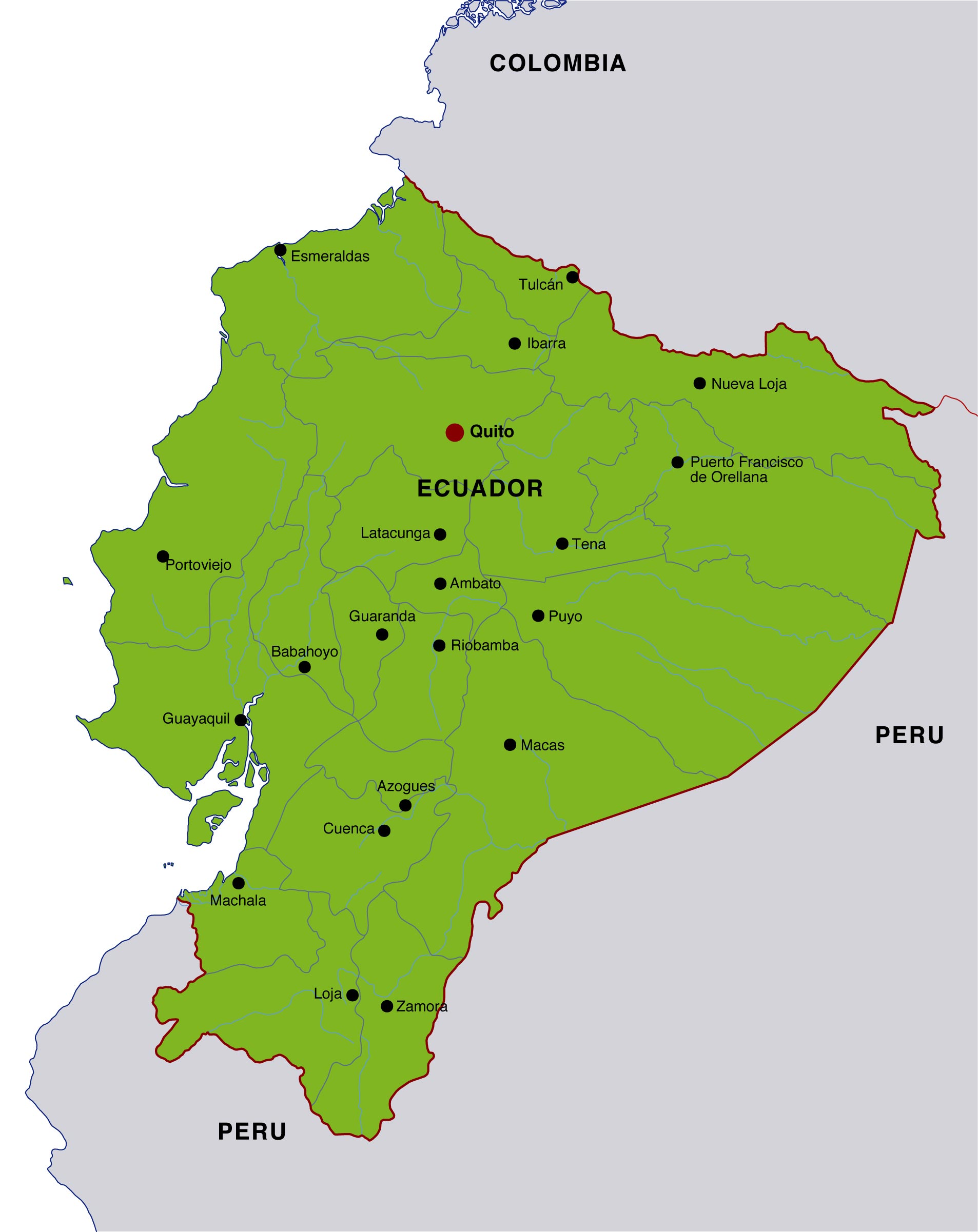
Determining whether Ecuador is safer than Colombia is not a simple binary comparison, as both nations grapple with significant but distinct security challenges that shift rapidly based on specific geography and current political climates. While recent data from 2026 indicates that both countries maintain similar crime index ratings-Ecuador at approximately 61.9 and Colombia at 61.3-travelers must recognize that safety is hyper-local, often fluctuating between tranquil tourism hubs and high-risk border corridors where illicit trafficking persists. Ultimately, neither country can be labeled definitively "safer," as security outcomes are highly dependent on your specific destination, adherence to government travel advisories, and situational awareness.
Comparative Safety Metrics
Analyzing the safety landscape requires looking beyond national averages, as the regional variation in security creates vastly different experiences for residents and visitors alike. Ecuador has faced a recent surge in violent crime, reporting 9,216 homicides in 2025, which reflects the ongoing pressure from gang realignments. Conversely, Colombia's security profile is colored by long-term internal conflict dynamics that, while often more established, remain a primary concern for international visitors.

| Metric | Ecuador (2026) | Colombia (2026) |
|---|---|---|
| Crime Index | 61.9 | 61.3 |
| Safety Index | 38.1 | 38.7 |
| Primary Risk Factor | Gang Violence/Transit | Internal Conflict/Trafficking |
Key Factors Influencing Security
Several critical variables explain why these two nations present unique risks, particularly regarding their roles in the global drug trade. Ecuador, formerly known as an "island of peace," has transitioned into a major transit corridor, leading to increased competition among criminal organizations. Colombia, while having a more mature security infrastructure, continues to manage the complex legacies of non-state armed groups in remote provinces.
- Infrastructure protection: Both countries have increased police visibility in major tourist centers to bolster public confidence.
- Geographic risks: Border areas, particularly near the northern frontier of Ecuador, remain high-risk zones due to porous terrain.
- Urban safety: Metropolitan centers like Guayaquil and Medellín exhibit high crime variance depending on the specific neighborhood or district.
- Institutional response: Both governments are currently employing aggressive anti-crime campaigns, which have led to fluctuations in official homicide statistics.
Strategic Travel Considerations
When planning travel, it is essential to consult the most current government travel advisories to understand which specific provinces or cities are marked as "do not travel" zones. Many safety incidents occur in localized areas rather than national-level disruptions, meaning that a major city may be relatively secure while a neighboring province faces severe instability.
- Verify the status of border regions, as these are consistently cited as the most dangerous areas in both countries.
- Register your itinerary with your respective embassy to ensure you receive real-time emergency notifications.
- Utilize official, pre-arranged transportation methods when moving between cities to minimize exposure to roadside risks.
- Research current events, as localized civil unrest or sudden policy changes can impact your travel safety on short notice.
"The shift in Ecuador's security landscape highlights how quickly a country can be impacted by regional trafficking corridors, challenging the previous status quo of stability," notes a regional security analyst monitoring current crime trends.
Expert answers to Is Ecuador Safer Than Colombia What Travelers Report queries
Is it safe to visit either country right now?
Visiting is possible, but it requires diligent research and adherence to the security protocols outlined by your home nation's foreign affairs department. Millions of tourists successfully visit both countries annually by sticking to established tourism circuits and avoiding high-risk, isolated regions.
Which cities should be avoided?
In Ecuador, travelers are generally advised to avoid provinces like Esmeraldas and specific areas of Guayaquil due to high concentrations of criminal activity. In Colombia, remote border departments and rural areas outside of primary tourist routes carry higher risks of kidnapping and localized conflict.
How do police forces compare?
Ecuador has historically maintained a larger police-to-citizen ratio, though the effectiveness of these forces varies significantly based on internal resources and the severity of the local criminal threat. Colombia's police force has extensive experience managing long-term internal security challenges but faces immense pressure due to the country's challenging topography.
Does local culture impact safety?
Both cultures are generally welcoming, but the underlying socio-economic tensions in certain areas can lead to higher levels of opportunistic crime, such as theft or muggings. Maintaining a low profile and avoiding the display of expensive items are universally recommended practices to ensure personal safety while traveling through either nation.