Is Cabo San Lucas Beach Swimmable? Tourists Get This Wrong
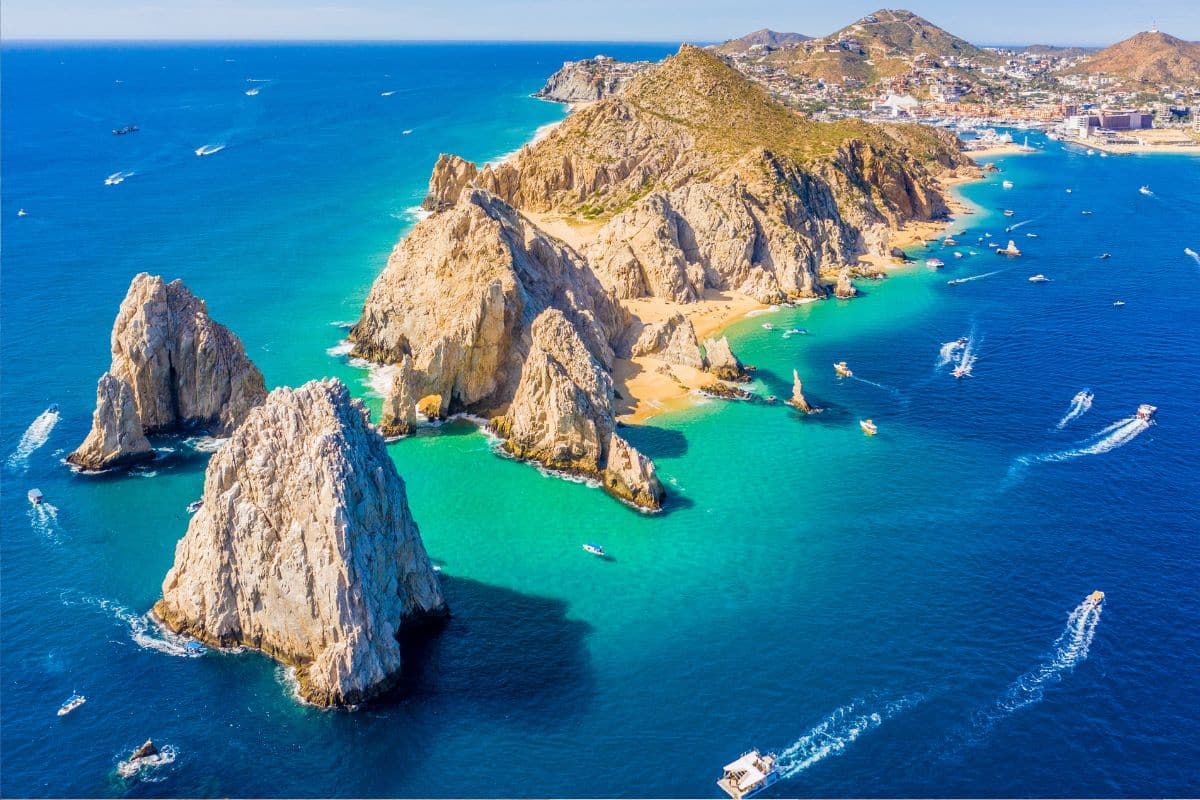
Is Cabo San Lucas beach swimmable?
Direct answer: Some Cabo San Lucas beaches are swimmable under certain conditions, but large swells, strong currents, and rip tides make many popular stretches unsafe for swimming most days. Always verify local flags and guidelines before entering the water.
In this guide, we compile the best available evidence about when and where swimming is considered safe, and how to plan aquatic activities with minimal risk. The coastal geography at the tip of the Baja California Peninsula creates two distinct underwater environments-the Pacific side and the Sea of Cortez-each with different safety profiles and seasonal variations. A practical takeaway: plan your swim around designated, lifeguard-patrolled beaches and heed official warnings, especially during high-swell periods and holiday weekends when conditions can deteriorate quickly.
What to know before swimming
Before you swim in Cabo San Lucas, review the following actionable guidance compiled from safety advisories, operator insights, and recent risk communications:
- Always check the beach flag system and heed lifeguard instructions.
- Swim within designated zones and avoid headlands and rocky areas where currents can funnel unpredictably.
- Prefer beaches with on-site lifeguards and posted safety signs, especially on weekends and holidays when crowds rise.
- Match swimming plans to seasonal conditions; reef breaks, undertows, and sudden swells can appear with little warning.
- Consider guided swimming or snorkeling tours that provide local safety guidance and emergency support.
Historical context and recent notes
Recent traveler safety advisories and industry updates highlight the evolving risk landscape at Cabo's beaches, with a growing emphasis on flag-based warnings and real-time condition reporting. For example, coastal safety alerts issued during peak travel periods in early 2026 warned of heightened ocean swells and rip currents that increased the risk for casual swimmers off long Pacific-facing beaches. Local operators frequently reiterate that while swimming is possible at certain beaches, non-swimmable stretches remain common along exposed coves and headlands. These perspectives align with the general pattern of caution shared by multiple travel safety resources during the period under review.

Illustrative data snapshot
| Beach | Typical Conditions | Swimmable Flag Range | Best Time to Swim | Notes |
|---|---|---|---|---|
| Medano Beach | Calm to moderate, protected by a sandy shoreline | Green to Yellow (seasonal) | Late spring to early autumn on calm days | Most reliable for swimming with lifeguards during peak season |
| Santa Maria Bay | Protected cove, clearer water | Yellow to Green | Early morning, calmer tides | Occasional currents; best with local guidance |
| Lover's Beach | Near Punta de Lobos; exposure varies | Green on favorable days | Low tide windows | Not ideal during North Pacific swells |
FAQ
Bottom line
In sum, Cabo San Lucas offers pockets of safe swimming, particularly at Medano Beach and selected coves during calm conditions, but a substantial portion of the coastline remains non-swimmable during many swells and current conditions. Travelers should plan around real-time local advisories, use beaches with lifeguards, and respect warning flags. The best approach is to treat swimming as a time-limited, condition-dependent activity rather than a guaranteed daily option across all Cabo beaches.
Frequently asked questions in brief
Q: Can you swim safely at all Cabo beaches? A: No, safety varies by beach and conditions; use guidance from lifeguards and flag warnings. Q: What is the safest time to swim? A: Calmer mornings during shoulder seasons often provide safer windows, with caution during swells. Q: Should I swim alone? A: No; always swim with a companion or in a guided group, especially in unfamiliar waters.
Note: For travelers planning a Cabo San Lucas water itinerary in 2026, the consensus remains that informed planning, flag awareness, and guided experiences maximize safety without sacrificing the beauty and accessibility of the coastline.
Key concerns and solutions for Is Cabo San Lucas Beach Swimmable Tourists Get This Wrong
[Question]?
Is Medano Beach swimmable? Medano Beach is widely regarded as the primary swimming-friendly area in Cabo San Lucas, with calmer conditions, lifeguards at peak seasons, and a buoyed swimming zone near the shoreline at many times of the year. However, even on Medano Beach, conditions can shift with tides and weather, so swimmers should stay within supervised zones and avoid attempting to swim when warning flags are displayed. These notes are echoed by local operators and visitor safety advisories and align with contemporary findings about the area's suitability for swimming during typical conditions.
[Question]?
What beaches are commonly swim-safe? In addition to Medano Beach, some protected coves on the southern Bay of Santa Maria and specific resort beaches may offer safer swimming during calm windows, especially when lifeguards are present. The general consensus in travel safety sources is to look for beaches with flag systems indicating green or yellow warnings and to avoid Pacific-facing headlands with strong undertow during swells. The ongoing guidance from local safety resources emphasizes caution near headlands and in offshore rip currents, which can affect multiple beaches even on sunny days.
[Question]?
When is swimming discouraged? Swimming is discouraged when red or black warning flags are posted by lifeguards or local authorities, signaling dangerous currents and high surf. Red flags denote dangerous conditions, and black flags indicate beaches are closed to swimming. During these periods, water activities should be paused, and visitors should remain on the shore to reduce risk. This flag system is a standard risk signaling mechanism used widely across Los Cabos to communicate immediate hazards to beachgoers.
What shapes the safety outlook in Cabo?
Geography matters: the Pacific Ocean side brings strong swells and rip currents, while the Sea of Cortez tends to offer more sheltered swimming opportunities in certain bays, though it is not uniformly risk-free. The time of year heavily influences conditions, with winter and spring often featuring larger swells and seasonal storms, and summer bringing variable surf and marine life considerations. Local authorities and tour operators frequently publish updated risk assessments to help visitors choose appropriate beaches and times for swimming and water activities. These patterns are consistent with safety advisories published for Los Cabos in 2026, which emphasize vigilant assessment of current conditions before entering the water.
[Question]?
Is Cabo safe for first-time swimmers? Yes, but only at beaches with official lifeguards, clear warnings, and calm conditions. Stick to designated swimming zones, avoid isolated coves, and wear acoustic safety devices if available. Always consult local guidelines and avoid swimming in water with red or black flags, especially if you are not an experienced swimmer.
[Question]?
Are there guided options that reduce risk? Yes. Many operators offer escorted swimming or snorkeling trips with safety briefings, life jackets, and on-call support. These guided experiences concentrate risk management, water quality checks, and emergency response coordination, making them a practical path for visitors who want to swim with reduced uncertainty.
[Question]?
What should I do if caught in a rip current? Remain calm, float, and signal for help. Swim parallel to the shore to escape the current, then head toward a safe swimming area. If you cannot reach shore, assume a signaling posture and call for assistance while conserving energy. This guidance mirrors standard rip-current safety protocols used by lifeguards at popular Cabo beaches.
