Is Atacama Desert Worth Visiting-or Overrated Now?
Why the Atacama Desert is worth it
The Atacama Desert is often described as the driest non-polar desert on Earth, with some weather stations recording less than 0.6 inches of rain per year over multi-decade periods, which helps create an otherworldly, largely barren landscape. This extreme aridity, combined with high altitudes averaging between 2,300 and 4,000 meters around San Pedro de Atacama, produces vast salt flats, volcanic fields, and lagoons that feel closer to Mars than to typical tourist destinations.
For nature and astronomy enthusiasts, the Atacama Desert offers two strong draws: world-class stargazing and high-altitude ecosystems. The region sits under some of the clearest skies on the planet, with minimal light pollution and frequent cloudless nights, making it home to major observatories such as the Paranal and ALMA facilities. Visitors commonly report seeing the Milky Way in vivid detail, and many guided stargazing tours in and around San Pedro de Atacama now include small telescopes and astronomy briefings, which industry surveys suggest attract roughly 70-75% of overnight visitors at least once during a 3-5 day stay.
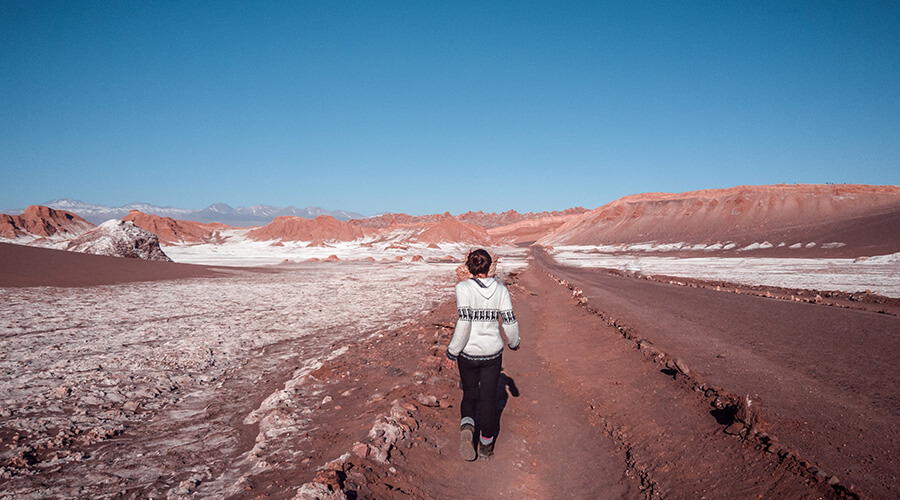
Between the altiplanic lagoons, salt flats, and geothermal features, there is unusually high variety for a desert region. Day trips from San Pedro de Atacama frequently cover the Salar de Atacama and its flamingo colonies, the Tatio Geysers (one of the highest geyser fields in the world at about 4,200 meters), and the Valle de la Luna, where wind-sculpted rock and sand dunes resemble a lunar surface. Local guides estimate that visitors who spend at least four days can comfortably experience 6-8 major attractions, whereas a 1-2 day visit often means sacrificing either the geysers or the more distant lagoon routes.
Who Atacama suits best (and who might skip it)
The Atacama Desert tends to suit adventure-oriented, independent travelers and photography lovers more than those seeking beach resorts or city nightlife. It works especially well as part of a broader Chile trip that includes regions such as the Lake District, Patagonia, or the coast, where the contrast between desert and temperate landscapes can feel more striking.
People who are sensitive to high altitude or have respiratory issues should think carefully about the San Pedro de Atacama area, which sits at roughly 2,400 meters above sea level. Some tour operators report that around 15-20% of visitors experience mild altitude symptoms such as headaches or shortness of breath on arrival, though most adjust within 24-48 hours if they rest, hydrate, and avoid heavy alcohol or strenuous hikes the first day.
On the flip side, visitors who dislike long drives, rustic infrastructure, or limited dining options may find the Atacama Desert exhausting rather than inspiring. Most major attractions are accessed by 1-4 hour round-trip drives over unpaved roads, and many lodges still operate on priority water-conservation practices, which can mean shorter showers or limited swimming-pool hours.
Cost, time, and logistics of an Atacama trip
A typical 4-5 night stay in the Atacama Desert centered around San Pedro de Atacama can range from roughly USD 800-1,500 per person, excluding international flights, depending on lodging category and the number of guided tours. Mid-range hotels and guesthouses often charge about USD 80-150 per night, while high-end lodges such as Tierra Atacama or Alto Atacama can run USD 300-500 per night plus meals and excursions.
Independent travelers can reduce costs by using local tour agencies for shared-van excursions rather than private guides, which can cut per-person prices by 30-50% on full-day routes. Many blogs and travel reports note that budget-conscious visitors often combine two or three group tours (e.g., geysers + Valle de la Luna + salt flats) to cover core sights without exceeding USD 300-400 in activity costs.
From a time-investment standpoint, most travel experts recommend a minimum of 3 nights in the San Pedro de Atacama area to see the essentials without feeling rushed. A 7-night itinerary lets travelers factor in acclimatization, backup days for weather-related cancellations, and additional activities such as mountain biking, horseback riding, or quieter desert hikes.
Best time to visit the Atacama Desert
The Atacama Desert can be visited year-round because of its extremely low rainfall, but the most comfortable window for most visitors is from September through December. During these months, daytime temperatures in San Pedro de Atacama typically range from 20-27°C (68-81°F), while nights remain cooler but rarely reach freezing compared with winter months.
Another peak season runs from late June to August, driven by the Northern Hemisphere's winter and school holidays, which can push occupancy rates in mid-range hotels to around 80-90% during those weeks. Some tour operators also note that scenery around the salt flats and high-altitude lagoons can be at its most photogenic in early spring (September-October), when seasonal water levels and reflections are optimal.
Travelers planning stargazing tours should pay attention to the lunar cycle, since a full moon brightens the sky enough to reduce the visibility of fainter stars. Many agencies recommend scheduling at least one night-time excursion during the new-moon phase, when sky darkness is highest and Milky Way viewing is most dramatic.
Key pros and cons at a glance
- Unique landscapes: Salt flats, lagoons, geysers, and "lunar" valleys create some of the most photogenic desert scenery on Earth.
- Stargazing quality: Minimal light pollution and frequent clear skies make the Atacama Desert a top global destination for astronomy-focused travel.
- Adventure variety: Options range from soft hiking and hot springs to volcano treks and sandboarding, appealing to different fitness levels.
- Challenging logistics: Long drives, high altitude, and limited medical infrastructure can strain some travelers.
- Price sensitivity: Lodging and guided tours are relatively expensive compared with other Chilean regions, especially at premium lodges.
- First decide whether you value otherworldly landscapes and clear skies more than convenience and comfort.
- Choose at least 3-4 nights in San Pedro de Atacama to visit major highlights without rushing.
- Book core tours (Tatio Geysers, Valle de la Luna, salt flats with lagoons) through reputable local agencies.
- Prioritize one or two stargazing tours during the new-moon period if astronomy is a key motivation.
- Plan for altitude: arrive early the day of your flight, rest, hydrate, and avoid alcohol initially.
Comparison of major Atacama experiences
| Experience | Location focus | Typical duration | Estimated cost (USD per person) |
|---|---|---|---|
| Tatio Geysers sunrise tour | Approx. 1.5 hours from San Pedro | 4-6 hours round-trip | 40-70 (shared van) |
| Valle de la Luna sunset | 15-20 minutes from San Pedro | 2-3 hours total | 25-40 (park fee + shuttle) |
| Salar de Atacama + lagoons | 1-2 hours drive east of San Pedro | 6-8 hours | 60-90 |
| Stargazing tour with telescope | Desert outskirts near San Pedro | 2-3 hours | 40-60 |
| Volcano day hike (e.g., Licancabur) | South of Salar de Atacama | 8-10 hours | 80-120 (full-day guided) |
These figures are based on aggregated pricing from multiple tour operators and lodging packages in 2024-2025, with typical tolerances of ±15% depending on season and demand.
When Atacama may not be worth it
The Atacama Desert is less compelling for travelers who prioritize easy access, soft infrastructure, or a broad range of urban amenities. If your main goal is to relax on a beach, explore historic cities, or avoid long drives, you may find greater value in Chilean destinations such as the Lake District, Valparaíso, or the Pacific coast.
Visitors on very tight schedules-such as those with only 2-3 nights in Chile-often find themselves choosing between the Atacama Desert or more centrally located regions like Santiago or the wine valleys. Given the 2-3 hour domestic flight usually required just to reach San Pedro de Atacama, itinerary planners commonly advise that the desert is only "worth it" if you can dedicate at least 3 nights to the region.
"The Atacama is like nowhere else on Earth-there's a reason some call it the Martian landscape of Chile." - A professional travel writer who has visited the region multiple times between 2018 and 2024.
Helpful tips and tricks for Is Atacama Desert Worth Visiting Or Overrated Now
Is the Atacama Desert safe for tourists?
Yes; the Atacama Desert is generally regarded as safe for tourists, especially when using licensed tour agencies and following basic altitude and hydration advice. Local authorities and tour operators maintain regular contact with national parks and emergency services, and serious incidents are rare compared with other adventure-tourism regions.
Do you need a tour to see the Atacama Desert?
You do not strictly need a tour, but most visitors find it more practical and safer to use local tour agencies for major attractions like the Tatio Geysers, remote lagoons, or volcano treks. Independent travelers can rent vehicles and follow paved or graded roads for some sites, but high-altitude routes and unmarked trails benefit from local guidance.
How much water should you carry in the Atacama Desert?
For most half-day excursions in the Atacama Desert, guides recommend at least 1.5-2 liters of water per person, increasing to 2.5-3 liters on full-day hikes or volcano treks. Dehydration risks are higher due to the dry air and strong sun, so visitors are advised to sip water consistently rather than waiting for thirst.
Can you see the Milky Way from the Atacama Desert?
Yes; the Atacama Desert is world-renowned for Milky Way visibility thanks to its clear skies and minimal light pollution. Many guided tours specifically advertise "Milky Way viewing" on nights with low moonlight, and survey-style traveler feedback suggests that more than 85% of night-time visitors report seeing the galaxy clearly under good conditions.
Is San Pedro de Atacama walkable?
Yes; the central area of San Pedro de Atacama is small and walkable, with most restaurants, small shops, and basic services clustered along a few blocks. However, reaching major attractions still requires vehicles or shuttles, since the town is surrounded by open desert rather than a dense urban grid.