Ica Peru People Reveal A Side Few Travelers See

- 01. Who lives in Ica, Peru?
- 02. Demographics and living patterns
- 03. Historical roots of Ica's people
- 04. Cultural flavor and daily life
- 05. Work, economy, and social structure
- 06. Invisible hierarchies and social dynamics
- 07. What makes Ica feel different from other Peruvian cities?
- 08. Realistic snapshot of Ica people today (illustrative table)
- 09. Key traditions and belief systems
- 10. How Ica people interact with visitors
- 11. Future pressures and changes for Ica people
- 12. Step-by-step ways to understand Ica people as a visitor
People in Ica, Peru are a mix of mestizo city-dwellers, coastal campesinos, and desert-adapted communities, shaped by a colonial past, Indigenous roots, and a booming agribusiness and tourism economy that together give the city a distinctively resilient, outdoor-oriented, and privacy-valuing culture.
Who lives in Ica, Peru?
The city of Ica sits at about 300,000 residents in a desert valley about 300 km south of Lima, while the wider region of Ica hosts roughly 1 million people, making it one of Peru's more compact but economically active regions. Most residents are mestizo Peruvians, blending Spanish-colonial heritage with lingering Andean and pre-Inca influences, and they speak Spanish as a first language, often with a slightly slower, sun-baked cadence than Lima speech.
Economically, Ica families are heavily tied to agriculture, especially vineyards and pisco-production, as well as construction, services linked to tourism, and small trade. A large share of households live in single-story homes or compounds around the city center and in nearby towns such as Pisco town, Chincha, and Paracas, where irrigation from the Ichu River and its aquifers sustains both farms and domestic life.
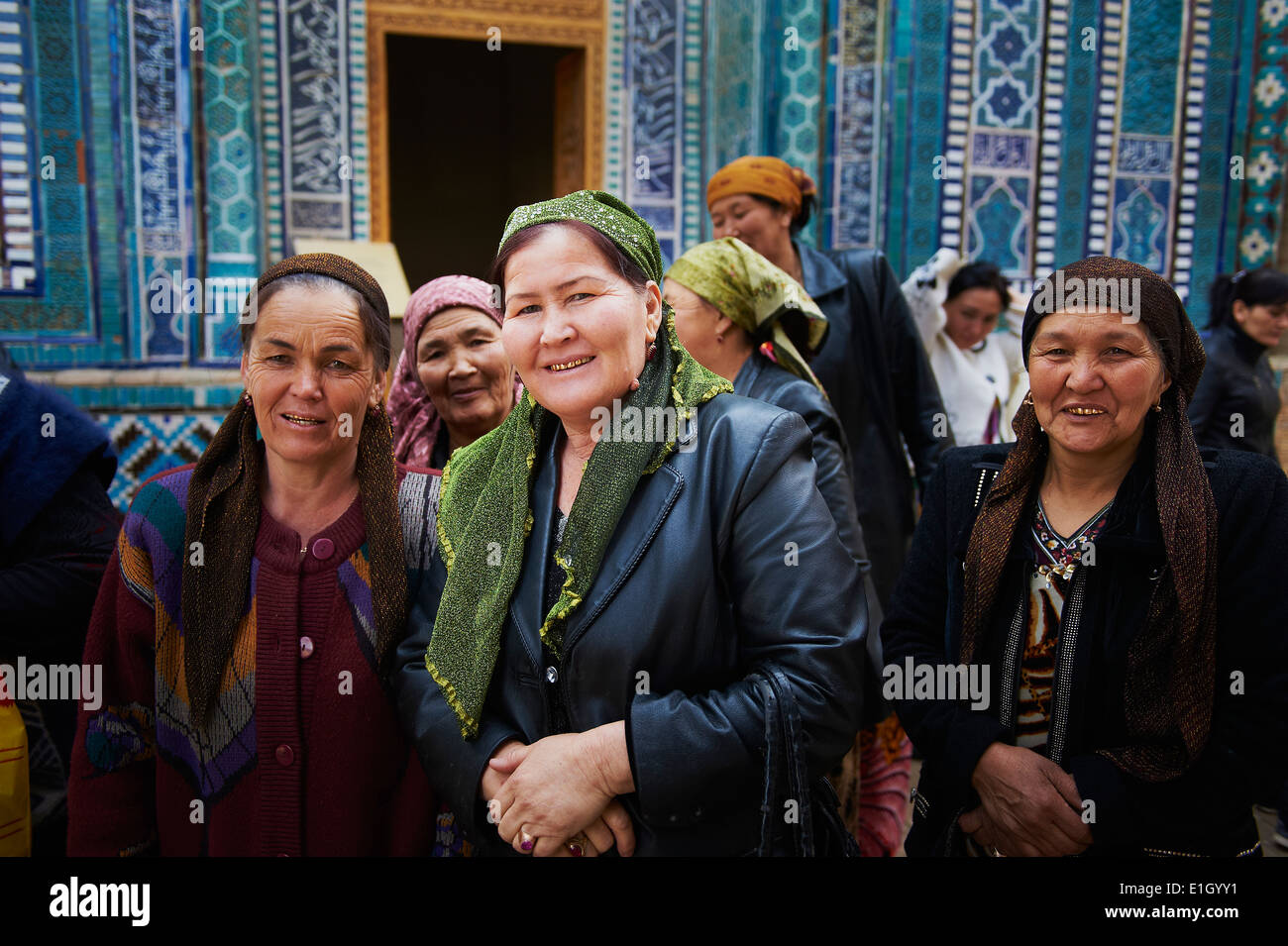
Demographics and living patterns
According to the 2017 census and regional projections, Ica has grown from about 712,000 inhabitants in 2007 to nearly 1 million by 2022, with the city itself hovering around 280,000-300,000 residents. This growth reflects in-migration from the Andes, as well as modest increases in tourism-linked jobs around Huacachina lagoon and the Nazca Lines flight routes.
Households in Ica's urban core tend to be nuclear or extended families of three to five people, with younger adults increasingly commuting to nearby plantations or service-sector jobs. Rural communities around the Ica valley farms often cluster in small settlements, where generational farming, seasonal migration, and informal work blur the line between "urban" and "rural" lifestyles.
Historical roots of Ica's people
Beneath Spanish colonial structures, Ica's population traces back to ancient Indigenous cultures such as the Paracas, Nazca, and Inca, whose coastal and desert settlements left behind textiles, ceramics, and geoglyphs that still shape local identity. Spanish conquistador Jerónimo Luis de Cabrera "founded" Ica city in 1563 as a colonial administrative hub, overlaying a grid of plazas and churches on older Indigenous patterns and forcing many communities into encomienda-based labor.
By the 19th and early 20th centuries, Ica's society evolved into a plantation-oriented economy dominated by large vineyard owners and smallholder farmers, creating a social hierarchy that persists in subtle ways in modern land-ownership patterns and political alliances. The 2007 earthquake, which heavily damaged Ica's historic center and killed hundreds, accelerated construction booms and inward migration, blending older families with newer arrivals from the Andes and other coastal regions.
Cultural flavor and daily life
Daily life among Ica residents is marked by intense sun, long dry seasons, and a strong emphasis on outdoor work and socializing. Families often gather in home courtyards or small neighborhood plazas in the late afternoon, when the heat of the desert cools, reinforcing a tightly knit, reputation-driven social fabric where neighbors monitor each other's behavior.
Cuisine is another key marker of Ica people's identity. Staples include seafood from the nearby Pacific coast, grilled meats, and dishes flavored with locally grown hot peppers, herbs, and olives, all washed down with pisco, the grape-brandy for which the region is famous. Religious festivals tied to Catholic saints, such as the patron of the Ica cathedral, often blend processions with Andean-style music, dances, and blessings that reflect the region's layered spiritual history.
Work, economy, and social structure
The majority of Ica workers are employed in agriculture, particularly in vineyards that supply both domestic and international pisco markets, as well as in cotton, lucuma, and other desert-adapted crops. Many campesinos work seasonally: pruning, harvesting, and processing grapes, then migrating temporarily to other regions or Peru's cities during quieter months.
Tourism has also become a structural pillar for Ica's economy. Day-trips to Huacachina for dune buggies and sandboarding, flights over the Nazca Lines, and visits to Cachiche village bring guides, drivers, restaurant staff, and artisans into the local labor market. Small businesses in the city center, including family-run shops and services, often operate on flexible schedules, with long midday breaks mirroring the broader Peruvian "siesta" pattern modified by the desert climate.
Invisible hierarchies and social dynamics
Within Ica's social fabric, subtle but visible hierarchies still run along lines of land ownership, education, and family reputation. Large vineyard owners and long-established families often occupy prominent roles in local politics and business associations, while newer migrants and lower-income workers vie for access to land, credit, and stable contracts.
Women in Ica's communities tend to manage both domestic responsibilities and economic roles, from selling food near markets to weaving textiles and participating in tourism-adjacent crafts. Younger generations, especially those who attend university or technical institutes in Lima or Arequipa, increasingly bridge the gap between traditional rural life and digital-era jobs, creating intra-family tensions over values, mobility, and career expectations.
What makes Ica feel different from other Peruvian cities?
One of the most striking aspects of Ica's atmosphere is its blend of extremes: a lush, irrigated valley surrounded by parched desert, satellite communities perched between farms and dunes, and a nightlife that revolves around pisco, live music, and late-night gatherings that feel more intimate than Lima's sprawling bar scenes. Residents often describe the city as "closed" or "cautious" compared with coastal capitals, reflecting both a desire for privacy and a history of earthquakes, labor disputes, and periodic instability that has made people wary of outsiders and rapid change.
Another distinctive trait is the way Ica's identity is tied to mobility. Many families combine farming with seasonal migration, and young adults frequently travel to Lima or even abroad for work, returning for holidays or to invest in small businesses. This creates a culture that is simultaneously rooted in local soil and accustomed to transience, with social networks that stretch far beyond the valley's arid borders.
Realistic snapshot of Ica people today (illustrative table)
| Aspect | Description |
|---|---|
| Population of Ica city | Approximately 282,000-300,000 residents (2017-2022 estimates). |
| Region-wide population | Near 1 million in the Ica region, with continued moderate growth. |
| Main ethnic composition | Over 80% mestizo, with smaller Andean and Afro-Peruvian minorities. |
| Primary language | Spanish, with some Quechua and Aymara influence in rural areas. |
| Leading economic sectors | Agriculture (especially grapes), construction, services, and tourism. |
| Climate-related lifestyle | Outdoor-oriented, midday rest patterns, strong use of shade and water conservation. |
Key traditions and belief systems
- Christian Catholic festivals such as patron-saint processions in Ica's main plaza, where music, dance, and food tie generations together.
- Andean spiritual remnants visible in blessings, offerings to the land, and local concepts of reciprocity with nature.
- Witchcraft and healing traditions around Cachiche village, where visitors and locals consult shamans and "brujos" for protection, love, and health.
- Family-centric decision-making, especially on major life events like marriage, migration, and business investments.
How Ica people interact with visitors
Ica residents are generally hospitable but often more reserved than people in larger, more tourist-saturated cities such as Cusco or Lima. Many locals distinguish carefully between "passing tourists" and "repeat visitors," extending warmer treatment to those who show interest in local culture, language, and history rather than simply checking attractions off a bucket-list.
Drivers, guides, and shopkeepers in Huacachina and Paracas often develop informal relationships with returning guests, remembering names, preferences, and even family details, which mirrors the way local networks function in everyday life. At the same time, some residents are wary of over-tourism's impact on housing prices, water use, and local customs, creating a quiet tension between economic benefit and cultural preservation.
Future pressures and changes for Ica people
Two main pressures are reshaping Ica's population. First, climate-driven water scarcity and desertification threaten the irrigation-dependent farms that form the backbone of many families' livelihoods. Second, digital connectivity and higher education are giving younger Ica residents tools to work remotely, join national corporations, or start online businesses, which pulls them away from traditional roles while also creating new hybrid lifestyles.
Local governments and NGOs have begun investing in water-saving technologies, sustainable pisco-production, and tourism-related training programs, but implementation remains uneven. As a result, many Ica families walk a tightrope between preserving ancestral connections to land and seeking opportunities beyond the valley's borders.
Step-by-step ways to understand Ica people as a visitor
- Start by learning basic Spanish phrases and simple greetings, since most Ica residents are more comfortable with Spanish than with English.
- Spend at least one full day exploring Ica's historic center, including the main plaza, cathedral, and local markets, to observe how families and workers interact in public spaces.
- Visit a vineyard or pisco winery near the city to meet farm families and ask about seasonal work, water use, and their views on tourism and climate change.
- Take a guided trip to Huacachina or Cachiche and engage guides and residents in conversations about their daily routines, not just attractions.
- Attend a local festival or religious celebration if your trip coincides with one, as these events reveal core values around family, faith, and community solidarity among Ica people.
Everything you need to know about Ica Peru People Reveal A Side Few Travelers See
What are the main ethnic groups in Ica, Peru?
Primary ethnic groups in Ica are mestizo (mixed Spanish and Indigenous), with smaller Andean and Afro-Peruvian communities, especially in rural and coastal settlements. Most residents identify as mestizo culturally, even if they have detectable Indigenous or African ancestry, and Spanish dominates daily life.
How do Ica people make a living?
Most Ica workers earn their income through agriculture, especially vineyards for pisco, as well as construction, services, and tourism-related jobs linked to Huacachina and Nazca Lines visits. Many also rely on seasonal migration and small-scale trade, which create blended livelihoods across rural and urban spaces.
Why does Ica feel different from other Peruvian cities?
Ica's atmosphere feels distinct because of its desert-valley setting, strong agricultural identity, cautious but warm social style, and a culture that mixes deep roots with frequent movement between cities and abroad. This combination of intimacy, mobility, and environmental awareness gives residents a sense of being both isolated and highly connected at the same time.
How has migration affected Ica's population?
Migration has both drained and enriched Ica's population, as young adults leave for Lima and other cities or countries, then return with money, skills, and new ideas. At the same time, in-migration from the Andes has diversified the labor force and added pressure on housing and services, making the city's demographic mix more fluid than it appears at first glance.
What role do women play in Ica's society?
Women in Ica's households typically manage both domestic life and economic activities, from running small shops and selling food to participating in agricultural and tourism work. They often act as social anchors, preserving family ties and traditions while navigating pressures from education, urban work opportunities, and changing gender norms.