How Do You Get To The Galapagos Islands Without Overpaying?
- 01. How to Get to the Galapagos Islands Without Overpaying
- 02. Frequently asked questions
- 03. Direct Answer: The Cheapest Primary Route
- 04. Cost-Efficient Flight Strategies
- 05. Offshore Islands: Budget Inter-Island Travel
- 06. Sample Budget Itinerary: Land-Based Galapagos
- 07. Historical Context and Trends
- 08. Practical Booking Tips
- 09. Ecological and Regulatory Considerations
- 10. Expert Insights: What Real Travelers Report
- 11. What to Expect: Typical Prices by Year
- 12. Resources for Budget-Conscious Planning
- 13. Final Practical Checklist
- 14. Summary of Pathways to the Islands
- 15. Additional Illustrative Scenarios
- 16. Authoritative Takeaway
How to Get to the Galapagos Islands Without Overpaying
Getting to the Galapagos Islands without breaking the bank is entirely feasible with careful planning. The primary route is a flight from the Ecuadorian mainland (Quito or Guayaquil) to either Baltra or San Cristóbal, followed by cost-conscious inter-island hops or land-based itineraries that avoid premium cruise prices.
Frequently asked questions
Direct Answer: The Cheapest Primary Route
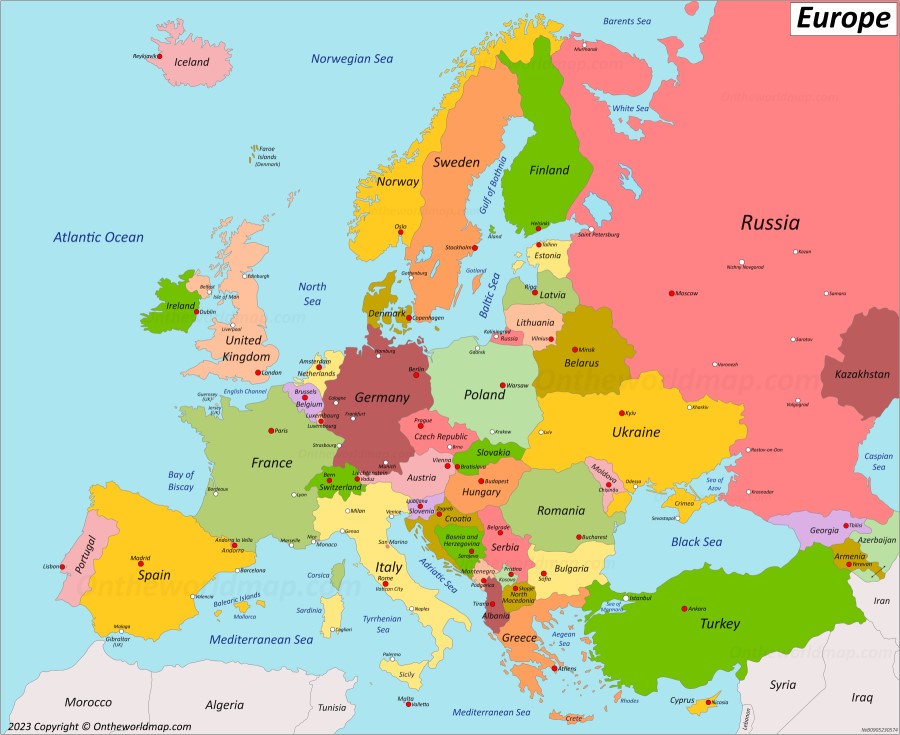
To minimize costs, fly from mainland Ecuador-prefer Guayaquil (GYE) for the best bargain potential-and connect to the Galápagos via Baltra (GPS) or San Cristóbal (SCY). Expect round-trip airfares in the general range of $250-$500, with historically cheaper deals when booking through LATAM or local Ecuadorian carriers during sales windows.
Cost-Efficient Flight Strategies
Flight choices dominate the budget. Use the following proven tactics to shave costs and avoid overpaying:
- Shop midweek and target shoulder seasons when fares dip; many operators run sales in fall and early winter, aligning with regional tourism slowdowns
- Set fare alerts for Quito or Guayaquil to Baltra or San Cristóbal; airlines frequently email discount codes and flash sales
- Consider multi-city itineraries that include a longer layover on the mainland; this can unlock cheaper round-trips and give you extra time on the continent
- Book early for peak periods such as school holidays and December, as prices spike last-minute
Offshore Islands: Budget Inter-Island Travel
Once on the archipelago, there are several budget-friendly ways to move between islands without committing to an expensive cruise. Public ferries, shared boats, and domestic flights offer economical options that still deliver rich wildlife experiences.
- Inter-island ferries: A classic low-cost choice connecting Santa Cruz, San Cristóbal, and Isabela with typical one-way fares ranging from roughly $25 to $35 depending on distance and operator
- Public buses and shared taxis: Within islands like Santa Cruz, buses and shared taxis provide inexpensive access to major sites without car rental costs
- Lightweight domestic flights: Short hops between islands are faster, with typical fares around $150-$200 per leg when booked in advance and during promotions
Sample Budget Itinerary: Land-Based Galapagos
A land-based or non-cruise approach can deliver substantial savings while still offering a near-archipelago experience. The following illustrative budget plan showcases how a traveler might allocate funds across a 7-10 day window, emphasizing economical transport and activities.
| Item | Low-Cost Estimate | Notes |
|---|---|---|
| International flight (to Ecuador) | $600 | From many US west coast cities with one-stop routing |
| Domestic flight Quito/Guayaquil to Galapagos | $350 | Typically the largest single expense; look for sales |
| Inter-island ferries | $60 | Assuming 2-3 hops (Santa Cruz to Isabela, etc.) |
| Accommodation (budget hotels or hostels) | $60/night | 7 nights totals around $420 |
| Food and daily expenses | $25-$35/day | Self-catering can lower costs |
| Park fees and activities | $20-$40 | Official park entrance and mandatory guided sites |
Historical Context and Trends
The Galápagos archipelago has long been a magnet for nature lovers, with early budget-conscious travelers in the 2010s leveraging land-based itineraries to circumvent cruise pricing. In the decade since, operators have diversified inter-island transport, including more frequent ferries and competitively priced domestic flights, enabling DIY itineraries that rival the experiential value of guided cruises at a fraction of the cost.
Practical Booking Tips
To minimize spend without sacrificing experience, follow these evidence-based tips that travelers have relied on for years:
- Book through recognized aggregators that show transparent fees and baggage policies; hidden costs are a common source of overpayment
- Check baggage rules carefully on short-haul flights between islands; many carriers cap luggage tightly, which can add surcharges if exceeded
- Bundle services (flight + hotel) when promotions align; bundling can unlock additional discounts
- Look for local operators offering cheaper island transfers; they often run smaller boats with flexible schedules
Ecological and Regulatory Considerations
Budget travel to the Galápagos must respect strict conservation and entry requirements. All visitors pay an exacting airport tax and park entrance fees, and guides are often required for land-based activities on certain islands, which helps preserve wildlife while guiding travelers toward safer, more affordable routes.
Expert Insights: What Real Travelers Report
Travel historians and budget guides consistently note that flexible itineraries, savvy flight timing, and multi-island hopping are the pillars of affordable Galápagos travel. Anecdotes from seasoned backpackers reveal that locking in flights to Guayaquil and watching for LATAM promotions can shave hundreds off the total bill, sometimes rivaling conventional cruise pricing.
What to Expect: Typical Prices by Year
Price benchmarks have shown modest volatility but a stubborn pattern: mainland Ecuador to Galápagos flights are the main cost driver, inter-island ferries remain the most affordable transit, and accommodations vary widely by island, with Santa Cruz generally offering the broadest budget options. For 2024-2025 data, many travelers reported total trip costs ranging from $1,200 to $2,000 for a 7-10 day land-based itinerary, excluding international airfare, depending on season and lodging choices.
Resources for Budget-Conscious Planning
These reputable sources provide corroborated budgeting strategies and practical steps to secure lower fares, while offering updated itineraries and cost breakdowns for 2024-2025 trends:
- Budget travel guides and island-hopping reports from travel bloggers and independent guides
- Airline newsletters offering periodic promotions and exclusive codes
- Local operators advertising inter-island transfers and small-boat options with transparent pricing
Final Practical Checklist
Before you book the trip, verify these checkpoints to avoid overpaying and ensure a smooth journey:
- Compare mainland to Galapagos flight options across multiple carriers and dates
- Confirm exact island transfer costs before purchasing any ticket
- Plan accommodations with free cancellation to capitalize on last-minute deals
- Budget for park and guide fees as non-negotiable components of the visit
Summary of Pathways to the Islands
There are two broad pathways: the conventional route via direct international flights to Ecuador and onward to the Galápagos, and the budget-friendly land-based approach that emphasizes ferries, buses, and domestic flights between islands. Both routes can deliver a high-value experience if paired with careful timing, discount hunting, and conservative spending on lodging and food.
Additional Illustrative Scenarios
Consider these two example scenarios to illustrate how costs can vary by choices and timing:
- Scenario A: Midweek flight from Guayaquil to Baltra with two inter-island ferries, hostel-style lodging, and self-catering meals; total (excluding international flight) around $650-$900 for a 6-8 day window
- Scenario B: Budget cruise alternative during a promotional week plus a couple of island hops; total (excluding international flight) around $1,100-$1,500 for a 5-7 day window
Authoritative Takeaway
For travelers seeking to minimize expense while maximizing wildlife encounters, the most robust strategy is to combine a low-cost mainland-to-Galápagos flight with a land-based itinerary, leveraging ferries and public transport, while reserving some premium experiences for opportunistic days when prices dip or promotions appear on the mainland routes.
Everything you need to know about How Do You Get To The Galapagos Islands Without Overpaying
[Question]?
[Answer]
[Question]What is the best time of year to visit the Galapagos on a budget?
Weekday departures during the shoulder seasons-April to early June and September to November-tend to feature lower fares on mainland Ecuador to the Galápagos, while accommodations and activities also dip in price, creating a favorable balance of cost and wildlife visibility
[Question]Do inter-island ferries operate year-round?
Yes, ferries operate most of the year, with occasional holiday rushes requiring pre-purchase or earlier booking; the ferries are the backbone of affordable intra-archipelago travel and are favored by budget-conscious travelers
[Question]Is a Galapagos cruise ever cheaper than a land-based trip?
Rarely, but in some cases a short-haul, low-cost cruise during off-peak weeks can approach land-based costs if booked far in advance and packaged with a few guided excursions; however, a DIY land-based plan typically delivers lower total costs and greater scheduling flexibility
[Question]What is the official entry requirement for visitors to the Galapagos?
All visitors must go through the Galápagos National Park's entry process, which includes a park entrance fee and a controlled access system; most itineraries incorporate a licensed guide for certain activities to ensure compliance and conservation, and costs are typically listed in advance by operators.