Haiti Vs Dominican Republic History Hides A Brutal Truth
- 01. Colonial Origins of Hispaniola
- 02. The Haitian Revolution and Its Regional Impact
- 03. Haitian Occupation of Santo Domingo (1822-1844)
- 04. Dominican Independence and National Identity
- 05. 20th Century Tensions and the Parsley Massacre
- 06. Modern-Day Tensions and Migration Issues
- 07. Key Differences Between Haiti and the Dominican Republic
- 08. Frequently Asked Questions
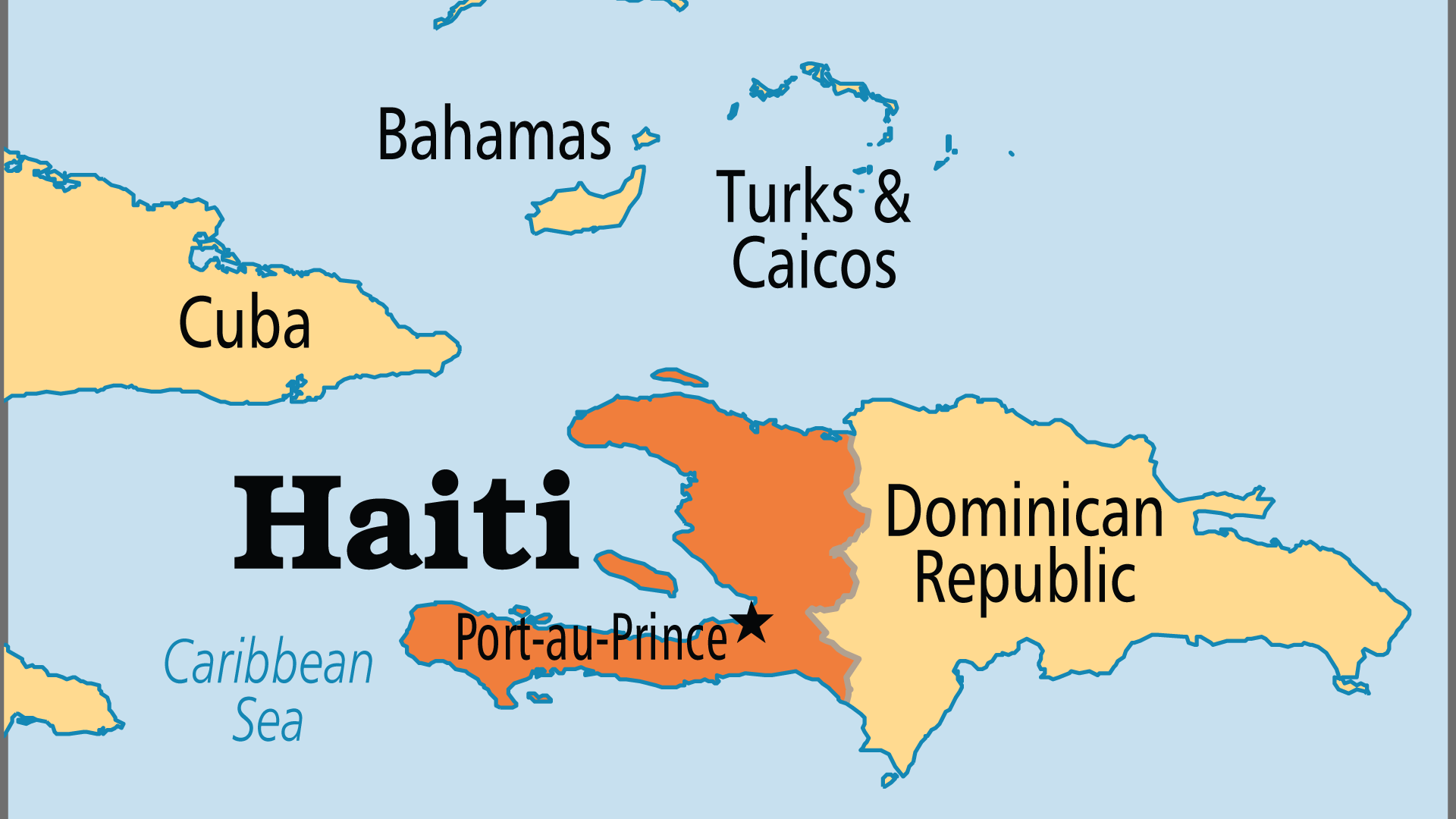
The history of Haiti and the Dominican Republic is defined by colonial division, revolution, occupation, and enduring political and cultural differences on the shared island of Hispaniola. Haiti emerged from a successful slave revolt in 1804, becoming the first Black republic, while the Dominican Republic developed under Spanish influence and later sought independence from Haitian rule in 1844. These distinct origins-combined with 19th-century conflicts, economic disparities, and 20th-century nationalism-continue to fuel tensions between the two nations today.
Colonial Origins of Hispaniola
The island of Hispaniola was first colonized by Spain after Christopher Columbus arrived in 1492, but by the late 17th century, the western third of the island was ceded to France under the Treaty of Ryswick in 1697. This division created two vastly different colonial systems: the French colony of Saint-Domingue (modern Haiti) became one of the richest plantation economies in the world, while the Spanish colony (modern Dominican Republic) remained relatively underdeveloped. The economic divergence between these territories laid the foundation for what historians call the colonial economic split.

By the late 18th century, Saint-Domingue produced nearly 40% of the world's sugar and 60% of its coffee, relying on enslaved labor that made up about 90% of the population. In contrast, Spanish Santo Domingo had a smaller population and more diversified agriculture. This early imbalance in wealth, demographics, and governance structures deeply shaped national identities and future tensions rooted in the colonial legacy divide.
- France controlled western Hispaniola (Haiti) with plantation-based slavery.
- Spain controlled eastern Hispaniola (Dominican Republic) with smaller-scale farming.
- Economic output in French territory exceeded Spanish territory by an estimated 10:1 ratio in the 1780s.
- Population density in Saint-Domingue reached over 500,000 enslaved people by 1791.
The Haitian Revolution and Its Regional Impact
The Haitian Revolution (1791-1804) was a defining moment in global history, marking the only successful large-scale slave revolt that led to independence. Led by figures like Toussaint Louverture and Jean-Jacques Dessalines, enslaved people overthrew French colonial rule. Haiti declared independence on January 1, 1804, becoming the first Black republic and abolishing slavery permanently. This transformative event reshaped the island and introduced long-term geopolitical tension tied to the revolutionary independence movement.
The success of Haiti alarmed colonial powers and neighboring territories, including Spanish Santo Domingo. Haitian leaders feared foreign re-colonization and sought to unify the island under one government for security. This concern directly influenced the next major phase of conflict, grounded in the post-revolution security strategy.
- 1791: Slave uprising begins in Saint-Domingue.
- 1801: Toussaint Louverture unifies the island briefly.
- 1804: Haiti declares independence from France.
- 1805: Haitian forces attempt to control eastern Hispaniola.
Haitian Occupation of Santo Domingo (1822-1844)
In 1822, Haitian President Jean-Pierre Boyer unified the island by occupying Santo Domingo, ending Spanish colonial rule there. This 22-year occupation abolished slavery in the east and introduced land reforms, but it also imposed heavy taxes and centralized governance from Port-au-Prince. Many Dominicans viewed this period as oppressive, reinforcing a sense of national identity rooted in resistance to what they saw as foreign rule, often referred to as the Haitian occupation period.
The occupation also imposed Haiti's obligation to pay France a massive indemnity of 150 million francs, which strained both economies. Dominican elites resented the economic burdens and cultural impositions, including language and administrative differences. This period remains one of the most sensitive chapters in the shared island history.
Dominican Independence and National Identity
The Dominican Republic declared independence from Haiti on February 27, 1844, led by nationalist figures like Juan Pablo Duarte. This independence was not from a European power but from Haitian governance, making it unique in Latin American history. Dominican identity developed in opposition to Haiti, emphasizing Spanish language, Catholic traditions, and European heritage, often contrasted with Haiti's African-rooted culture in what scholars call the identity formation divide.
Throughout the 19th century, Haiti attempted several invasions to regain control, but Dominican forces successfully resisted. These conflicts entrenched mutual distrust and militarized borders, reinforcing long-term tensions tied to the post-independence conflicts.
20th Century Tensions and the Parsley Massacre
One of the darkest moments in Haiti-Dominican relations occurred in 1937 under Dominican dictator Rafael Trujillo. In what is known as the Parsley Massacre, Dominican forces killed an estimated 10,000 to 20,000 Haitians living near the border. Victims were often identified by their inability to pronounce the Spanish word "perejil" (parsley). This atrocity remains a powerful symbol of anti-Haitian sentiment and is central to the border violence history.
Trujillo's regime promoted racial and cultural nationalism, portraying Haitians as outsiders despite centuries of shared geography. This ideology influenced immigration policies and social attitudes that persist in some forms today, particularly within the nationalist political narrative.
| Event | Year | Impact |
|---|---|---|
| Haitian Independence | 1804 | First Black republic established |
| Haitian Occupation | 1822-1844 | Unified island under Haitian rule |
| Dominican Independence | 1844 | Creation of Dominican Republic |
| Parsley Massacre | 1937 | 10,000-20,000 Haitians killed |
Modern-Day Tensions and Migration Issues
Today, tensions between Haiti and the Dominican Republic are driven largely by economic disparity and migration. Haiti is the poorest country in the Western Hemisphere, with a GDP per capita estimated at under $2,000, while the Dominican Republic's GDP per capita exceeds $10,000. This gap fuels migration across the border, often leading to disputes over citizenship, labor rights, and deportation policies tied to the economic inequality gap.
Dominican policies regarding Haitian migrants and their descendants have been widely debated. A 2013 court ruling retroactively stripped citizenship from tens of thousands of people of Haitian descent, creating international criticism and humanitarian concerns. These legal disputes highlight the ongoing friction rooted in the citizenship policy conflict.
Key Differences Between Haiti and the Dominican Republic
Despite sharing the same island, the two nations differ significantly in language, culture, and governance. These differences reinforce national identities but also complicate cooperation, especially in areas like border management and disaster response tied to the cultural divergence pattern.
- Language: Haiti speaks Haitian Creole and French; Dominican Republic speaks Spanish.
- Religion: Haiti blends Catholicism with Vodou; Dominican Republic is predominantly Catholic.
- Economy: Dominican Republic has a diversified economy; Haiti relies heavily on aid and agriculture.
- Governance: Dominican Republic has had more stable democratic transitions since the 1990s.
Frequently Asked Questions
Everything you need to know about Haiti Vs Dominican Republic History Hides A Brutal Truth
Why do Haiti and the Dominican Republic have tensions?
The tensions stem from a combination of historical conflicts, economic disparities, and cultural differences. Key factors include the Haitian occupation of Santo Domingo (1822-1844), the 1937 Parsley Massacre, and ongoing disputes over migration and citizenship policies.
Did Haiti and the Dominican Republic ever unify?
Yes, the island was unified under Haitian rule from 1822 to 1844. During this time, Haiti abolished slavery in the east but imposed centralized governance, which led to resistance and eventual Dominican independence.
What caused the Parsley Massacre?
The Parsley Massacre in 1937 was ordered by Dominican dictator Rafael Trujillo as part of an effort to remove Haitians from border regions. It was driven by nationalist ideology, racial discrimination, and political control over the border.
How are Haiti and the Dominican Republic different today?
They differ in language, economy, and governance. The Dominican Republic has a stronger economy and more stable political system, while Haiti faces ongoing economic and political challenges.
Is there still conflict between Haiti and the Dominican Republic?
While there is no active war, tensions persist over migration, border security, and citizenship laws. These issues are influenced by historical grievances and current economic disparities.

