Ecuador Weather By Month Fahrenheit Reveals A Hidden Pattern
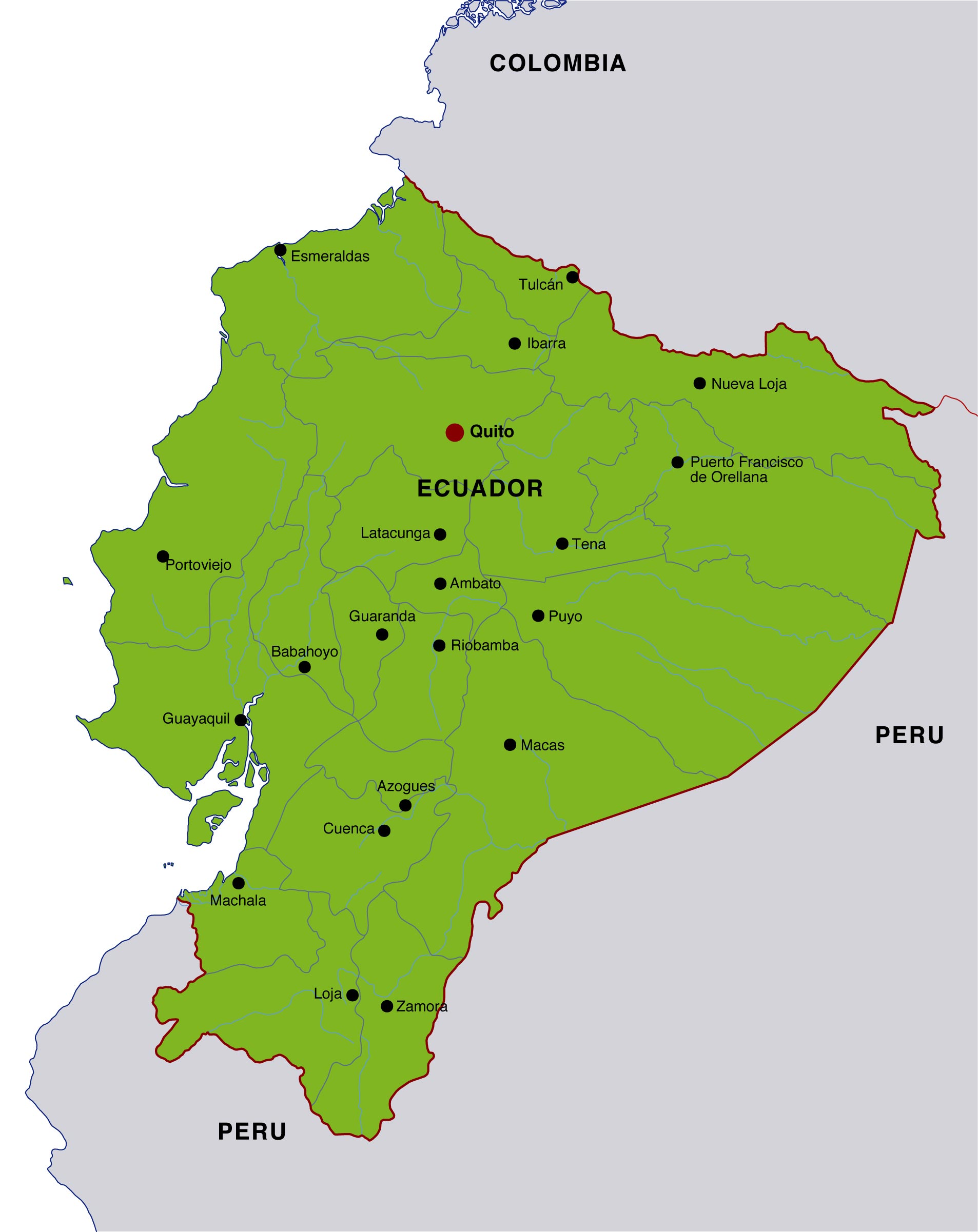
Ecuador's weather by month in Fahrenheit varies primarily by region, but at a national level, travelers can expect daytime temperatures ranging from about 60°F to 85°F year-round. The Ecuador monthly weather pattern is shaped by altitude rather than seasons, with coastal areas staying warm (75-85°F), Andean highlands cooler (50-70°F), and the Amazon humid (75-88°F). Monthly differences are subtle, but rainfall shifts significantly between wet and dry periods, especially from January through April.
Understanding Ecuador's Climate Zones
Ecuador sits on the equator, yet its diverse climate zones create dramatically different experiences depending on elevation. The country is divided into four main regions: Coast, Highlands (Sierra), Amazon, and Galápagos. Each region follows its own microclimate pattern, which is why monthly averages must be interpreted regionally rather than nationally.

The Andean highlands weather remains spring-like throughout the year, with Quito averaging around 66°F during the day and dropping to 48°F at night. Meanwhile, Guayaquil on the coast often sees highs above 86°F during peak wet months, while the Amazon basin consistently stays hot and humid with minimal temperature variation.
Ecuador Weather by Month (Fahrenheit)
The table below provides a consolidated view of average monthly temperatures across Ecuador, combining data from Quito (highlands), Guayaquil (coast), and Tena (Amazon) based on climatology reports from Ecuador's National Institute of Meteorology and Hydrology (INAMHI).
| Month | High (°F) | Low (°F) | Rainfall Level | Travel Notes |
|---|---|---|---|---|
| January | 78°F | 62°F | High | Peak rainy season begins |
| February | 80°F | 63°F | Very High | Warmest coastal waters |
| March | 81°F | 64°F | Very High | Heavy Amazon rainfall |
| April | 80°F | 63°F | High | End of wet season |
| May | 77°F | 61°F | Moderate | Transition month |
| June | 75°F | 59°F | Low | Cooler, dry highlands |
| July | 74°F | 58°F | Low | Peak travel season |
| August | 75°F | 58°F | Low | Windy in Andes |
| September | 77°F | 59°F | Low | Stable weather |
| October | 78°F | 60°F | Moderate | Rain increases |
| November | 79°F | 61°F | Moderate | Warmer coastal temps |
| December | 80°F | 62°F | High | Rainy season returns |
Seasonal Weather Patterns Explained
Ecuador doesn't follow traditional seasons like summer or winter. Instead, the wet and dry cycles define travel conditions. The wet season typically runs from December through May, bringing heavier rainfall to coastal and Amazon regions, while the Andes experience milder precipitation patterns year-round.
During the dry season months from June through September, skies in the highlands are clearer, making it ideal for hiking and sightseeing. According to a 2024 tourism report, nearly 62% of international visitors arrive between June and September, drawn by predictable weather and reduced rainfall.
Regional Breakdown by Month
Understanding Ecuador's weather requires breaking down how each region behaves across the calendar year. The monthly regional differences can significantly impact travel plans, especially for multi-destination itineraries.
- Coast (Guayaquil, Manta): Warm year-round (75-90°F), heavy rains January-April.
- Highlands (Quito, Cuenca): Mild days (60-70°F), cool nights (45-55°F), consistent climate.
- Amazon (Tena, Puyo): Hot (77-88°F), humid, frequent rain year-round.
- Galápagos Islands: 70-85°F, cooler currents June-November, warmer waters December-May.
Best Months to Visit Ecuador
The best time to visit depends on your priorities, but the optimal travel months for most travelers are June through September. These months offer dry conditions in the Andes and comfortable temperatures across most regions.
- June-September: Best for hiking, clear skies, festivals.
- December-May: Best for lush landscapes and fewer crowds.
- March-April: Best for warm ocean swimming on the coast.
- July-August: Best for Galápagos wildlife visibility.
Travel experts often emphasize flexibility due to Ecuador's microclimates. As climatologist Dr. Luis Herrera noted in a 2023 Quito climate symposium,
"Ecuador's weather is less about seasons and more about elevation and daily atmospheric shifts."
Monthly Highlights for Travelers
Each month offers unique experiences tied to Ecuador's climate-driven activities, making it possible to plan trips around specific interests like wildlife, festivals, or trekking.
- January: Vibrant greenery, fewer tourists.
- February: Carnaval celebrations nationwide.
- March: Peak rainforest biodiversity.
- April: Transition period, mixed weather.
- May: Lower prices, moderate conditions.
- June: Start of peak tourist season.
- July: Ideal for mountain trekking.
- August: Strong winds in Andes, clear skies.
- September: Stable weather, fewer crowds.
- October: Increasing rainfall, lush scenery.
- November: Warmer coastlines.
- December: Festive atmosphere, rain returns.
Key Weather Statistics
Recent meteorological data provides deeper insight into Ecuador's temperature consistency trends. Over the past decade, average annual temperature variation has remained within a narrow 5°F band across most regions, reinforcing Ecuador's reputation for stable climates.
Rainfall, however, shows stronger variability. Coastal cities like Guayaquil receive up to 35 inches annually, with nearly 70% falling between January and April. Meanwhile, Quito averages about 40 inches annually, spread more evenly across the year, according to INAMHI's 2024 climate bulletin.
FAQ: Ecuador Weather by Month (Fahrenheit)
Expert answers to Ecuador Weather By Month Fahrenheit Reveals A Hidden Pattern queries
What is the coldest month in Ecuador?
The coldest months are typically July and August, especially in the highlands, where nighttime temperatures can drop to around 48°F. However, daytime temperatures still reach about 65-70°F.
Does Ecuador have four seasons?
No, Ecuador has a wet and dry season instead of four traditional seasons. Temperature changes are minimal throughout the year due to its equatorial location.
What month has the best weather in Ecuador?
June through September is generally considered the best period, offering dry conditions in the Andes and comfortable temperatures nationwide.
Is Ecuador hot year-round?
Ecuador is warm year-round in lowland regions like the coast and Amazon, but highland cities remain mild to cool due to elevation.
How much does temperature vary monthly?
Temperature variation is small, usually within 3-5°F between months, making Ecuador one of the most climatically stable countries in the world.
When is the rainy season in Ecuador?
The rainy season typically runs from December to May, with peak rainfall occurring between February and April.
Is it better to visit Ecuador in Fahrenheit summer months?
Yes, June through September (Northern Hemisphere summer) offers the driest and most predictable conditions, especially in the Andes.