Ecuador Moto Tour What Makes This Ride So Addictive
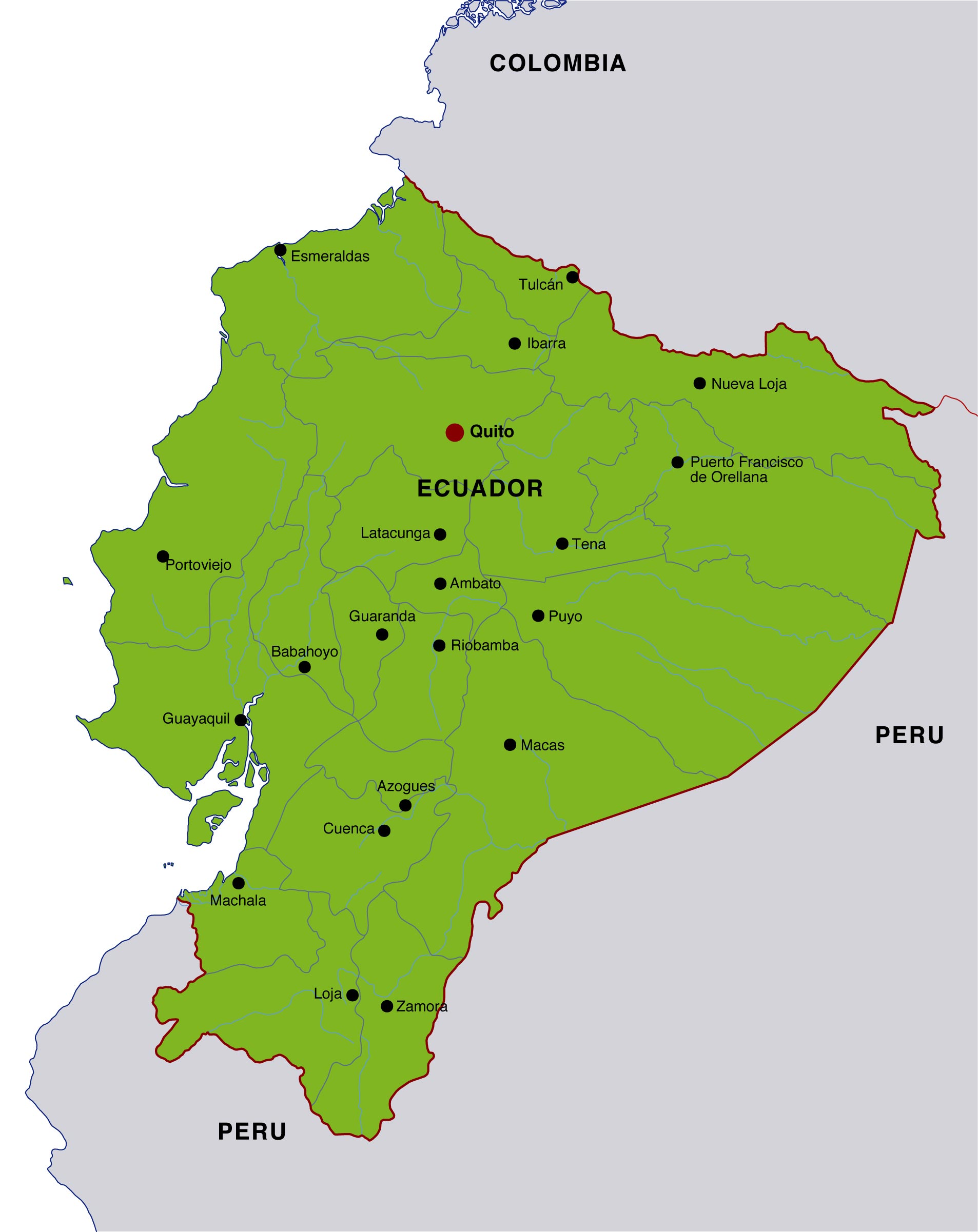
Essential Routes for Your Journey
The topography of the country allows for rapid transitions between ecosystems, making it a premier destination for those seeking diverse riding conditions. Whether you prefer the precision of paved hairpins or the rugged challenge of loose gravel, the motorcycle road network provides endless opportunities for exploration.- The Quilotoa Loop: A technical mountain circuit offering sweeping views of emerald volcanic crater lakes.
- Avenue of the Volcanoes: A high-altitude 200-mile stretch featuring some of the most stable asphalt in South America.
- Ruta Spondylus: A coastal highway that provides a relaxing contrast to the mountainous interior with ocean breezes and cliffside vistas.
- Zumbahua-Angamarca-El Corazon: An intense 93 km off-road route ideal for dual-sport enthusiasts seeking steep, unpaved elevation changes.
- Cayambe Coca National Park: Rugged border-road riding that navigates glacier-fed lakes and volcanic thermal springs.
Technical Terrain and Statistics
Data from local tour operators indicates that over 65% of international riders choose to combine paved highway touring with moderate off-road excursions. The high-altitude nature of these routes requires specific mechanical considerations, as engine performance can fluctuate significantly when crossing mountain passes that exceed 14,000 feet.| Route Name | Terrain Type | Max Elevation | Primary Appeal |
|---|---|---|---|
| Quilotoa Loop | Mixed | 12,800 ft | Cultural villages and lakes |
| El Corazon | Unpaved | 13,400 ft | Technical adventure riding |
| Ruta Spondylus | Paved | 500 ft | Coastal scenery |
| Avenue of Volcanoes | Paved | 11,500 ft | Volcanic viewpoints |
Logistics and Planning
Securing reliable transportation and equipment is the most critical step for a successful tour. Most riders opt for professional rental services in Quito, which provide pre-serviced adventure bikes equipped with specialized gear for varying temperatures.- Choose your season: While year-round riding is possible, the dry season from June to September typically offers the most predictable mountain visibility.
- Check your permits: Ensure your insurance documents cover international motorcycle operations, especially if you plan to venture onto remote unpaved trails.
- Pack for versatility: You will likely experience temperatures ranging from 40°F in the paramo to 85°F on the coast within a single day.
- Prioritize altitude acclimation: Spending at least 24 hours in Quito before departing on a high-altitude ride helps mitigate potential health issues.
Safety and Local Guidance
Navigating rural roads in Ecuador requires constant vigilance regarding livestock, local traffic, and rapidly changing weather patterns. While the main highways are generally well-maintained, remote mountain road conditions can shift significantly after heavy rainfall, turning solid surfaces into mud-slicked paths."The secret to a successful ride in the Andes is respecting the elevation; your bike and your body will both feel the thin air, so take it slow and enjoy the view of the peaks," says lead guide Marco Varela, who has led over 500 expeditions across the Ecuadorian landscape.
Helpful tips and tricks for Ecuador Moto Tour What Makes This Ride So Addictive
What is the best time of year for a moto tour?
The most favorable window for motorcycle travel in Ecuador is the dry season, which spans from June through September. During this period, riders benefit from reduced rainfall and clearer skies, which are essential for enjoying the panoramic views of the Avenue of the Volcanoes and high-altitude mountain passes.
Do I need an international driving permit?
Most reputable rental agencies in the country require a valid motorcycle license from your home country, and carrying an International Driving Permit is highly recommended. Always carry your original physical license, as local authorities may request to see both the permit and the original documentation during standard traffic checkpoints.
Is off-road experience required for these tours?
While many of the most famous routes like the Avenue of the Volcanoes are entirely paved, a significant portion of the country's hidden gems involves gravel, mud, or rocky terrain. If you plan to tackle routes like the Zumbahua-Angamarca-El Corazon stretch, having solid off-road riding skills will greatly enhance your enjoyment and safety.
How do I handle the high altitude?
Altitude sickness is a genuine concern when riding through the Andes, where some passes exceed 14,000 feet. We recommend arriving in Quito at least two days early to acclimatize, staying hydrated, and avoiding strenuous activity during your first 48 hours to ensure you are physically prepared for the demands of the road.
Are the roads in Ecuador safe?
Major highways are typically paved and well-marked, but rural mountain roads require caution due to unpredictable traffic and frequent landslides during the rainy season. Riding with a reputable group or having a pre-planned route with updated information on local traffic safety protocols is the standard approach for both novice and experienced adventure riders.