Ecuador Lowest Temperature Drops More Than You Think
- 01. Ecuador's lowest temperature is far colder than most people expect.
- 02. Why Ecuador gets so cold
- 03. What the record means
- 04. Temperature ranges by region
- 05. Representative climate table
- 06. Historical context
- 07. What travelers should know
- 08. Why the number is often misunderstood
- 09. Frequently asked questions
- 10. Bottom line
Ecuador's lowest temperature is far colder than most people expect.
The lowest temperature ever reported in Ecuador is commonly cited as about -14.2°C (6.4°F), a high-altitude mountain reading rather than a lowland city record, which is why the country can feel tropical at sea level and bitterly cold in the Andes at the same time.
Why Ecuador gets so cold
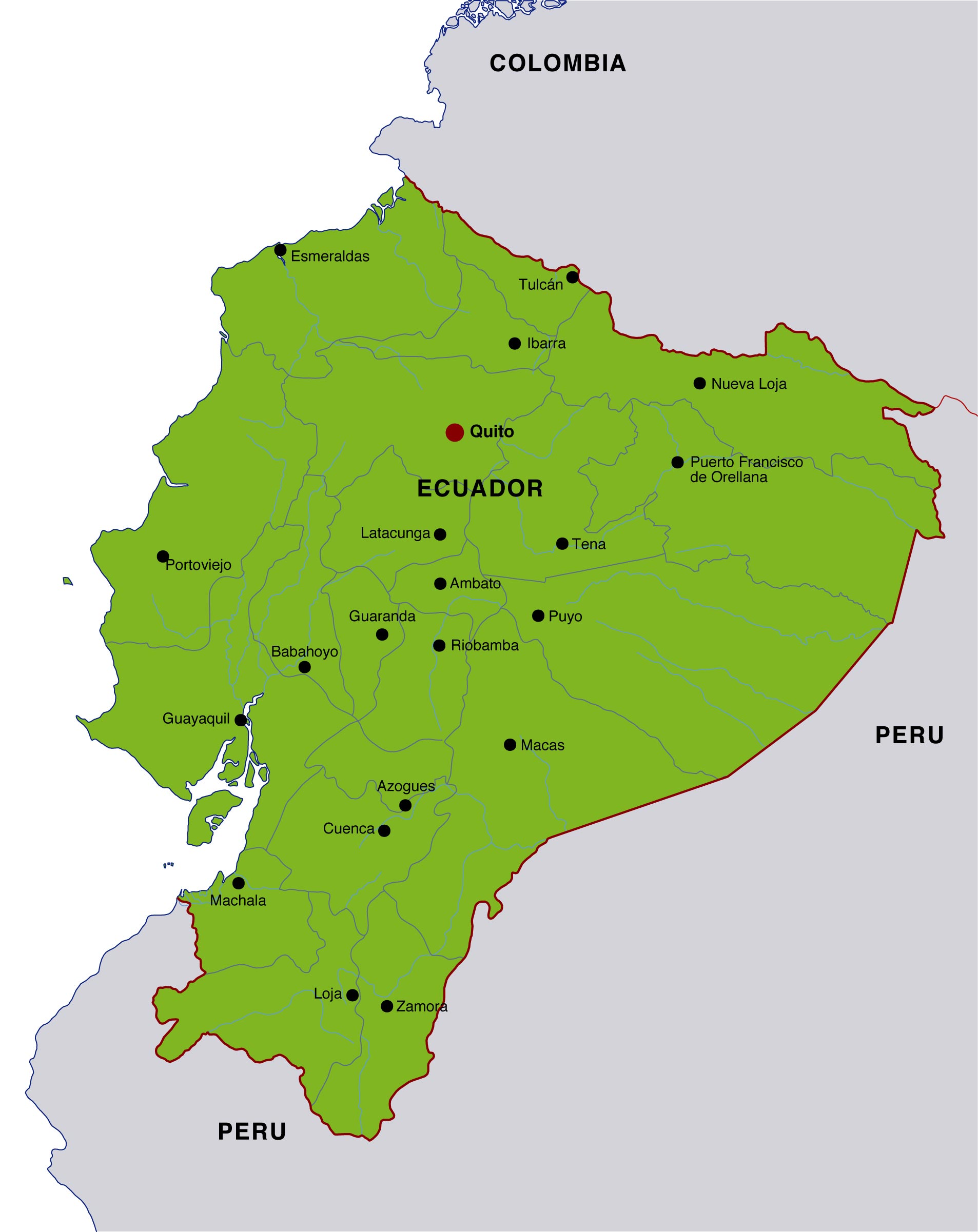
Ecuador sits on the equator, but elevation matters more than latitude in the Andes. As you move from coastal plains and Amazon foothills into volcano country, temperatures can fall sharply, and summit zones on peaks like Chimborazo, Cotopaxi, and Cayambe experience freezing conditions even when the rest of the country is warm.

This is the key reason the phrase lowest temperature in Ecuador is misleading if you imagine a single nationwide reading. The coldest values are tied to mountain weather, where thin air, strong winds, night-time radiational cooling, and snow cover can push temperatures well below freezing.
What the record means
The best-known record value is around -14.2°C, but it should be understood as a localized extreme from a cold, high-elevation setting, not a temperature representative of everyday life in Ecuadorian cities. In many Andean towns, the range is much milder, while the coast and Amazon basin often remain warm year-round.
For context, Quito can feel chilly because it is high above sea level, but the city's climate is still very different from summit conditions on an ice-capped volcano. That contrast is one of the most distinctive features of Ecuador's weather and geography.
Temperature ranges by region
Ecuador's climate changes dramatically with altitude, which makes the country a useful case study for understanding how geography shapes weather. A traveler can move from humid heat to frost-prone terrain in a single day's drive, especially along the spine of the Andes.
- Coastal region: warm to hot most of the year, with sea-level temperatures often staying in the 20s Celsius.
- Andean highlands: cooler days, cold nights, and occasional frost in exposed areas.
- Volcanic summits: subfreezing conditions, snow, ice, and strong wind chill.
- Amazon basin: generally humid and warm, with much less temperature variability than the mountains.
Representative climate table
The table below summarizes typical conditions across Ecuador's major regions and shows why a national "lowest temperature" is usually a mountain statistic rather than a countrywide everyday benchmark.
| Region | Typical temperature range | Cold extremes | Weather character |
|---|---|---|---|
| Coast | 20°C to 30°C | Rarely near freezing | Warm, humid, maritime |
| Andes | 7°C to 25°C | Near 0°C in colder nights | Mild days, cold nights |
| High volcano zones | -5°C to 10°C | About -14.2°C in extreme readings | Alpine, windy, icy |
| Amazon | 23°C to 33°C | Cooling mostly from rain events | Hot, wet, tropical |
Historical context
Ecuador's coldest readings are closely tied to the country's highest volcanoes, where scientific measurements have long documented a permanent snow line and seasonal shifts in ice and frost. The combination of latitude and altitude makes Ecuador unusual: it is one of the few places in the world where equatorial sunshine and near-arctic summit cold coexist within the same national border.
That is why mountaineering literature often highlights Ecuador as a place where climbers can train in genuine alpine conditions without traveling far from the equator. In practical terms, the country's "cold record" is best understood as a story about elevation, not simply about weather.
What travelers should know
If you are visiting Ecuador, the most important lesson is to pack for altitude, not just for tropical latitude. A light jacket may be enough in coastal cities, but high-Andes destinations can require gloves, thermal layers, and wind protection.
- Check the elevation of your destination before packing.
- Assume nights will be much colder than days in the highlands.
- Bring layered clothing for rapid weather changes.
- Prepare for wind chill if you are visiting volcano viewpoints or trekking routes.
- Do not rely on lowland forecasts when planning mountain travel.
Why the number is often misunderstood
Many people search for Ecuador's coldest temperature expecting a single national figure, but the answer depends on whether you mean a city, a weather station, or a mountain summit. The coldest extreme is valuable as a climatological fact, but it does not describe the lived experience of most Ecuadorians.
In everyday reporting, the phrase coldest temperature should be paired with location, elevation, and measurement conditions. Without that context, the number can sound surprising, but it is entirely consistent with how mountain climates work.
"In Ecuador, altitude is a stronger driver of temperature than latitude, which is why the coldest readings come from the highest Andean zones rather than from the coast or the Amazon."
Frequently asked questions
Bottom line
Ecuador's lowest temperature is far below what most people associate with the equator because the country's highest mountains create genuine alpine cold. The clearest answer is about -14.2°C, but the real story is that Ecuador combines tropical lowlands and freezing summit zones in one remarkably compact country.
Expert answers to Ecuador Lowest Temperature Drops More Than You Think queries
What is the lowest temperature ever recorded in Ecuador?
The lowest temperature commonly cited for Ecuador is around -14.2°C (6.4°F), associated with very high Andean terrain rather than low-altitude population centers.
Does Quito ever get freezing temperatures?
Quito can have cold nights because of its elevation, but sustained deep freezes are uncommon in the city compared with the country's highest volcano zones.
Is Ecuador colder than other tropical countries?
At high elevations, yes. Ecuador can be much colder than many tropical countries because its Andes mountains rise into true alpine climate zones.
Why does the equator not guarantee warm weather?
Latitude sets the baseline amount of solar energy, but altitude, wind, moisture, and terrain can lower temperatures dramatically, especially in mountainous regions.
What should I wear for cold highland weather in Ecuador?
Wear layers, a warm outer shell, closed shoes, and accessories like gloves or a hat if you are visiting high-Andes towns or volcano areas.