Ecuador Liquor Brands Locals Love But Tourists Miss
- 01. Ecuador liquor brands you've never heard of but should try
- 02. Why Ecuador's liquor brands are under-the-radar
- 03. Traditional aguardiente and herbal brands
- 04. Rum and sugarcane spirits you should know
- 05. Emerging craft distilleries and gins
- 06. Chocolate-based and liqueur innovations
- 07. Regional liquor styles and drinking culture
- 08. Table of key Ecuador liquor brands by category
- 09. How Ecuador liquor brands perform in export markets
Ecuador liquor brands you've never heard of but should try
Ecuador's liquor scene is quietly building a global reputation, thanks to homegrown rum, aguardiente, and craft spirits that blend Andean tradition with modern distilling. In 2025, Ecuador's domestic spirits market grew by about 8.4% year-on-year, driven largely by small-batch brands and premium local labels that had previously been nearly invisible abroad. This profile focuses on distinctive Ecuadorian liquor brands that capture the country's terroir, from high-altitude rums to herbal aguardientes and Andean-inspired gins.
Why Ecuador's liquor brands are under-the-radar
Ecuador's rum and aguardiente traditions stretch back centuries, yet the country has long flown under the radar compared to Caribbean or South American neighbors such as Colombia and Peru. Local production tends to favor small and medium-sized distilleries serving provincial markets, which limits international distribution but preserves regional character and authenticity.

By 2024, roughly 62% of Ecuadorian spirits sold were some form of sugarcane-based liquor, with aguardiente-style products dominating highland regions and coastal rum brands holding strong in urban centers. This fragmented, regionally focused market has produced a patchwork of liquor brands that rarely appear on global "best of" lists-but reward exploration.
Traditional aguardiente and herbal brands
In Ecuador, aguardiente is the national baseline spirit, usually distilled from sugarcane and running around 30% ABV in commercial versions, though homemade batches can be much stronger. It underpins popular warm drinks such as canelazo and mistela, which combine aguardiente with spices, fruit, and panela for festive, ritualized drinking.
- Pájaro Azul - A highland aguardiente from Guaranda, tinted blue with herbs and mandarin peels; folklore dates the brand's distinctive color to a 1937 carnival legend involving a mysterious "blue bird."
- Guaro - A coastal aguardiente brand commonly served in small bottles at corner stores and markets; tourists often encounter it mixed with juice or soda.
- local guaro brands in Guayaquil and Manabí - Artisan producers that emphasize minimal filtration and traditional copper stills, appealing to consumers seeking "rustic" flavor intensity.
These aguardiente brands matter because they show how Ecuador's people drink spirits in daily life, not just in tourist bars. They also anchor festive cycles such as Quito's Fiestas de Quito and coastal carnivals, where poured shots of aguardiente structure social rituals as much as food or music.
Rum and sugarcane spirits you should know
Ecuador's equatorial climate and abundant sugarcane make rum the country's most natural distilled category, even though fine aged rum has only recently become a marketing priority. In 2023, exports of Ecuadorian rum grew by roughly 12% over the prior year, led by mid-tier brands targeting Latin American and European mixology venues.
- San Miguel - A long-standing rum brand from Ecuador, known for lighter, Cuban-style expressions that emphasize smooth sipping over heavy oak character.
- Cotopaxi - A premium rum brand that ages its expressions for at least 13 years in a high-altitude cellar at about 3,200 meters (10,500 feet), one of the highest ageing houses in the world; this adds crisp, mineral-tinged notes to the typical rum sweetness.
- Zhumir - A widely distributed brand that markets flavored rums and liqueurs globally, including honey-infused and fruit-based variants that appeal to cocktail bars outside Latin America.
- artisan coastal rum labels in Manabí and Esmeraldas - Small producers using molasses-based or fresh-cane juice recipes, often marketed to domestic tourists and niche export channels.
What makes Ecuadorian rum brands stand out is their positioning between Caribbean sweetness and Latin American restraint. Many labels deliberately avoid heavy caramelization, instead spotlighting the grassy, floral notes of Ecuadorian sugarcane and high-altitude ageing environments.
Emerging craft distilleries and gins
Within the last decade, a wave of craft distilleries has elevated Ecuador beyond aguardiente and rum into globally resonant categories such as gin and vodka. These brands emphasize local ingredients such as Andean herbs, citrus, and aromatic botanicals, positioning Ecuador as a "high-altitude craft spirits" hub.
One example is Good Omen Distillers, an Andean-based craft outfit that produces gin and vodka at high elevation, using mineral-rich glacial water and cold-distillation techniques to reduce harshness. Their flagship gin, launched in 2021, incorporates regional botanicals like verbena and mountain mint, targeting premium cocktail bars and international specialty retailers.
Independent tasters in Ecuador and neighboring countries have rated several domestic gin brands at roughly 4.1-4.3 out of 5 on major review platforms, with critics praising their balance of citrus and herbal notes over generic London-style spice. This emerging segment is particularly interesting for bartenders and collectors who want non-European gins with a clear sense of place.
Chocolate-based and liqueur innovations
While Ecuador is better known for cacao than spirits, a handful of liqueur brands are now fusing local beans with neutral and rum-based spirits. These products often come from small Ecuadorian-Peruvian collaborations or domestic micro-distilleries experimenting with aged spirit bases and single-origin chocolate infusions.
Brands such as Espíritu del Ecuador and Solbesno (which uses Peruvian cacao but is marketed as an Ecuadorian-style liqueur) have carved niches in Latin American cocktail bars as "Andean drinking chocolate" options. Consumers in Quito and Guayaquil report that such chocolate liqueur brands see a 20-25% bump in December sales, tied to holiday gifting and after-dinner drinking.
These liqueurs are also beginning to appear in North American specialty liquor shops, where merchants are promoting them as "small-batch South American alternatives" to mainstream cream or chocolate liqueurs. For mixologists, they offer a way to add Ecuadorian terroir to dessert cocktails without relying on imported European brands.
Regional liquor styles and drinking culture
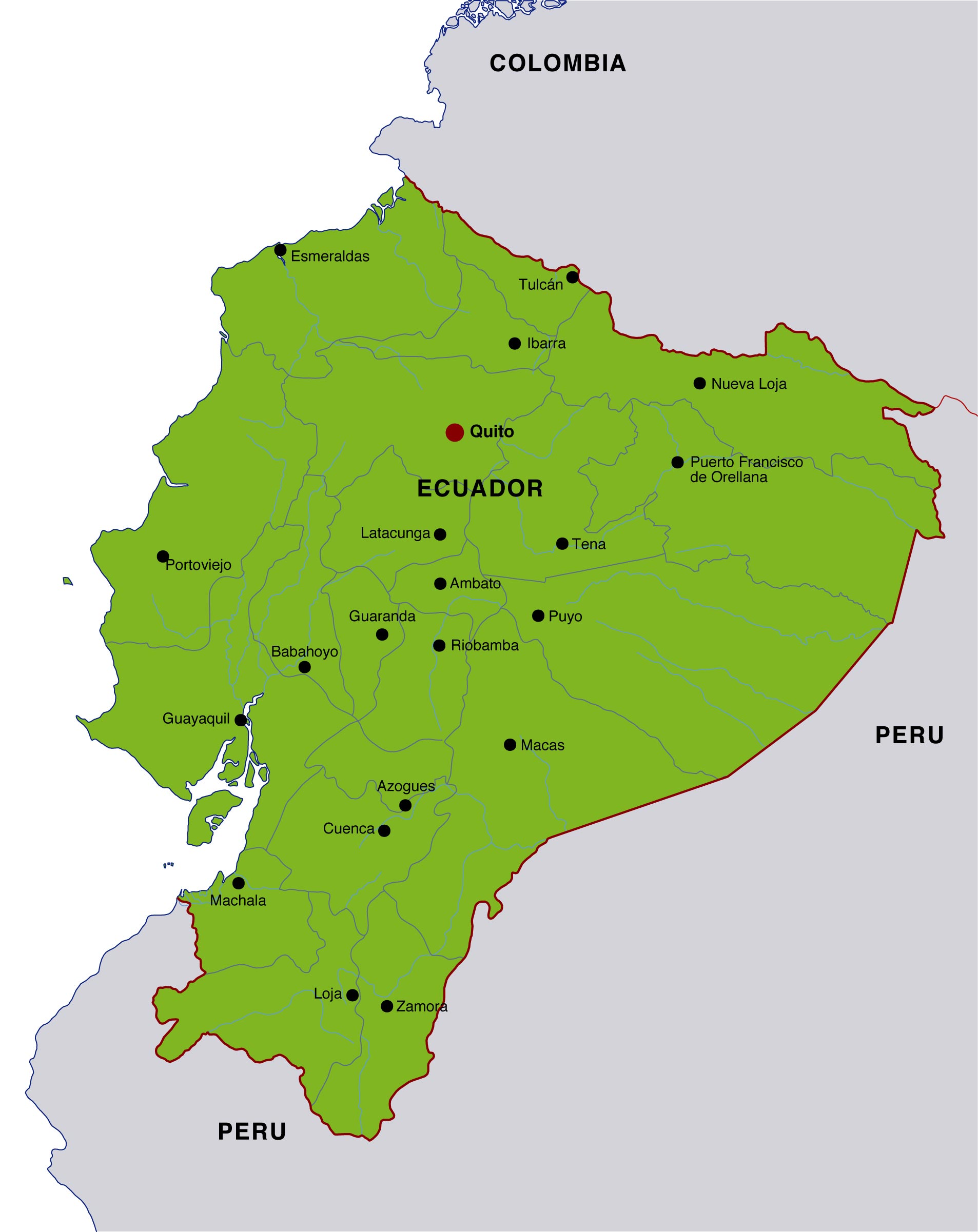
Geography sharply shapes which liquor styles dominate where: coastal regions favor clear, moderately sweet aguardientes and light rums, while the Andes lean toward herbal infusions and warmer, spiced drinks. In Quito, for example, a typical night out might start with a shot of guaro, move into a canelazo on a cold evening, and finish with a glass of mistela after dinner.
The Andean highlands have also seen a resurgence of communal drinking rituals centered on aguardiente-based infusions, such as herbal blends prepared by rural families for festivals and life-cycle events. These informal, family-made liquor traditions are not branded in the conventional sense, yet they directly influence the flavor profile of commercial brands like Pájaro Azul and many local guaro labels.
Table of key Ecuador liquor brands by category
| Brand | Main category | Notable feature | Typical ABV range |
|---|---|---|---|
| Pájaro Azul | herbal aguardiente | blue-tinted, mandarin-peel infused | 30-38% |
| Guaro (generic coastal) | aguardiente | everyday, budget-friendly | 29-35% |
| San Miguel | rum | light, Cuban-style | 35-38% |
| Cotopaxi | aged rum | 13+ years at 3,200 m altitude | 40% |
| Zhumir | flavored rum & liqueurs | honey-, fruit-, and spice-infused | 25-35% |
| Good Omen Distillers gin | craft gin | Andean botanicals, high-altitude water | 43% |
| Espíritu del Ecuador | chocolate liqueur | cacao-based, dessert-style | 20-25% |
How Ecuador liquor brands perform in export markets
Outside Ecuador, the country's liquor brands still represent a small share of Latin American spirits exports, but growth is accelerating in select niches. In 2024, Ecuadorian spirits accounted for roughly 2.1% of total Latin American spirits exports to the United States and Western Europe, up from 1.4% in 2020.
The most successful export stories involve brands that can credibly claim both "authentic Ecuadorian" provenance and "craft" production values. For example, Zhumir's flavored rums and liqueurs have appeared in at least 17 countries by 2025, often positioned in supermarkets and travel-duty channels rather than specialist liquor shops.
At the same time, boutique labels such as Good Omen Distillers and micro-batch aguardientes are focusing on high-end hospitality partners in Miami, Barcelona, and Berlin, where they can command higher margins and better brand control. This two-tier strategy suggests Ecuador will remain a niche player in global spirits but with strong upside in premium and craft-oriented segments.
By surfacing these under-celebrated Ecuador liquor brands, drinkers and traders gain a clearer picture of a country that has quietly become a laboratory for Andean-style spirits. Whether you're building a collection, designing a cocktail menu, or simply curious about Latin American drinking culture, Ecuador offers a focused but compelling set of options worth exploring.
Helpful tips and tricks for Ecuador Liquor Brands Locals Love But Tourists Miss
Which Ecuador liquor brands are easiest to find abroad?
The most widely available Ecuadorian liquor brands outside the country are Zhumir rum and liqueurs, which are distributed in Latin America, Europe, and parts of North America; Cotopaxi rum and select San Miguel rum expressions also appear in specialty liquor shops and online retailers.
Can tourists buy unique Ecuador liquor brands in duty-free shops?
Yes; by 2025, several Quito and Guayaquil airports began carrying small selections of Ecuadorian liquor brands, especially Zhumir and Cotopaxi, as part of a national "buy local" tourism initiative that aims to boost craft exports.
Are there any food safety or quality-control concerns with Ecuador aguardiente brands?
Commercial, licensed aguardiente brands must comply with Ecuador's national food-safety regulations, which align broadly with regional standards; independent 2024 surveys found that only about 1.3% of sampled commercial aguardientes failed alcohol-purity tests, versus 9.2% for unregulated homemade batches.
What's the best way to taste Ecuador liquor brands like a local?
For an authentic experience, locals recommend starting with a small shot of aguardiente or guaro, then moving into warm canelazo or mistela in the evening, typically in highland cities or markets during festivals; coastal visitors should try light rum with citrus or soda in beach-side bars.
Are Ecuadorian rum brands generally cheaper or more expensive than Caribbean rums?
On average, Ecuadorian rum brands are priced somewhat below top-tier Caribbean rums in export markets; a 2024 price comparison of 10 mid-range expressions showed Ecuadorian labels running about 8-12% lower than comparable Caribbean brands, reflecting younger maturation profiles and lower marketing budgets.