Ecuador Immigration Rules Decoded For Travelers And Newcomers
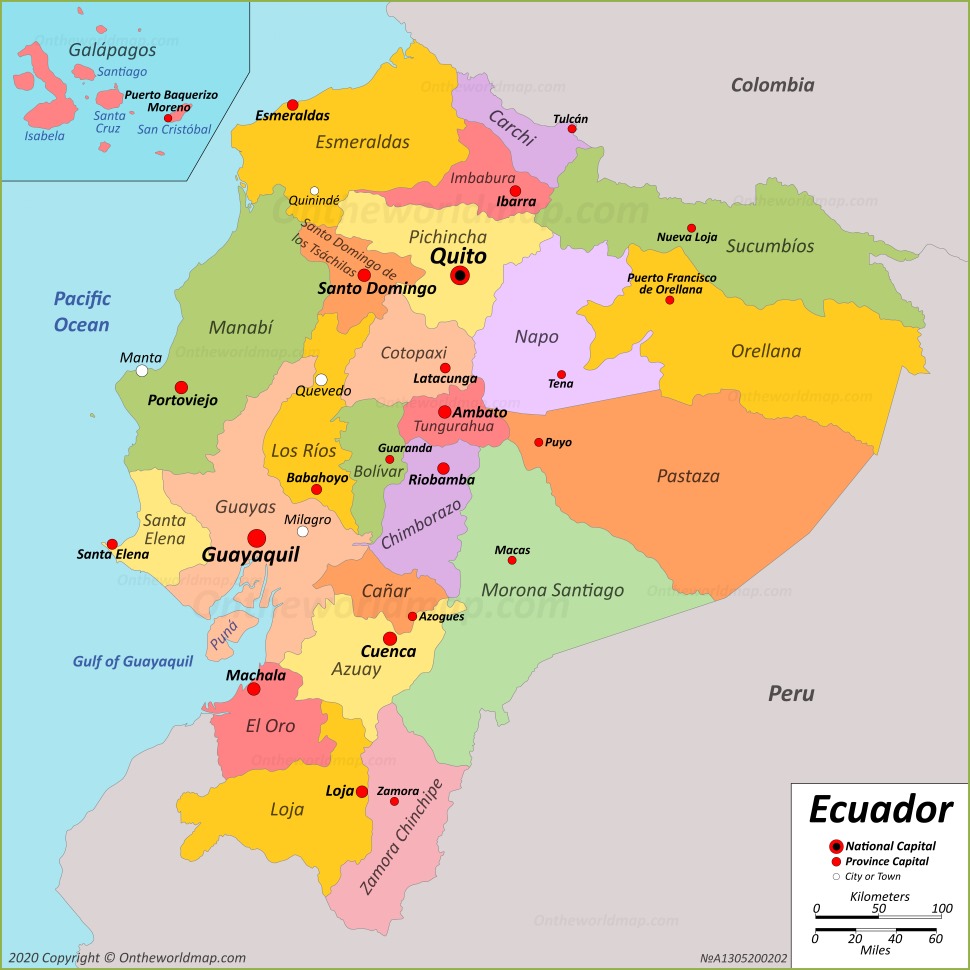
Ecuador immigration rules in 2026 hinge on your entry status, whether you're applying for a short visit or residency, and-most importantly-recent reforms that changed how eligibility and travel limits work for temporary and permanent residents.
The current rules you should know
Ecuador's modern immigration framework generally separates "temporary" stays (often tied to visa categories) from "residency" pathways that can later lead to longer-term status. In 2026 planning, the biggest practical differences tend to be (1) which visa you qualify for and (2) how long you may be outside Ecuador without risking status problems.

A key update approved through Ecuador's National Assembly reforms replaced older short-duration frameworks and created a new visa pathway for business/technical activities, among other changes. Those reforms also eliminated certain travel restrictions for temporary residents, which can materially affect families and remote workers coordinating travel.
- Temporary resident travel: reforms eliminated the requirement that temporary residents limit their time outside Ecuador to 90 cumulative days per year to maintain status.
- Permanent residency eligibility: applicants for permanent residence must prove 21 months of continuous residence in Ecuador under the updated rule set (a stricter standard than non-continuous residence used previously).
- Maintaining permanent residence: after two years under permanent residence status, return to Ecuador at least once every two years (previously once every five years), to maintain the status.
- United regional temporary visa: reforms eliminated the UNASUR Temporary Visa.
Quick answers by scenario
If you're trying to figure out "What do I do first?" your answer depends on whether you're planning a short stay (visitor entry) or a longer-term move that requires residency planning. Many people decide based on the intended duration, ability to document finances and health coverage, and whether they can meet continuous-residence timelines for permanent options.
- Choose your intended duration: visit (often around 90 days depending on nationality/arrangements) versus residency (temporary first, then permanent).
- Confirm your passport validity and document readiness, including background checks and insurance where required for visa applications.
- Pick the correct residency pathway and plan for continuity: 21 months of continuous residence is a major gate for permanent residence eligibility under the reforms.
- Plan your travel calendar after you obtain residency: permanent residents have a tighter "return at least once every two years" maintenance rule after the first two years.
| Scenario (2026) | What you're usually applying for | Rule emphasis | Action tip |
|---|---|---|---|
| Tourism / temporary visit | Visitor entry arrangement | Typical stay length (often 90 days) and passport validity | Check whether your nationality requires a visa in advance; many travelers can enter without a pre-arranged visa when conditions apply. |
| Business / technical activities | Business/technical visa pathway | Eligibility category and duration up to about 180 days | Prepare evidence that matches the "acts of commerce"/technical intent when relevant. |
| Temporary residency while living/working | Temporary resident status | Travel restriction relief for time outside Ecuador | If you're a frequent traveler, confirm how the removed "90 cumulative days" constraint affects your case. |
| Path to permanent residency | Permanent residence application | 21 months continuous residence requirement | Track entry/exit and ensure continuity; gaps can undermine "continuous residence." |
| Maintaining permanent residence after 2 years | Status maintenance | Return to Ecuador at least once every two years | Build a calendar reminder well ahead of the two-year window to avoid compliance problems. |
Immigration reform highlights
The immigration reforms approved by Ecuador's National Assembly implemented multiple changes that affect both eligibility and status maintenance, especially for people moving from temporary residence toward permanent residence. In practice, that means you should treat your timeline as a compliance project, not just a "paperwork" exercise.
Among the most consequential updates, the reforms replaced an older short-duration visa construct with a new business/technical-focused visa for foreign nationals, and they also eliminated the UNASUR Temporary Visa option. These shifts can affect people who previously relied on older categories or expected to "switch tracks" during their first year.
"The reforms eliminate travel restrictions for temporary residents," meaning that certain frequent-travel patterns may no longer trigger the same compliance risk that existed under earlier rules.
Entry and visitor basics
For visitors, one commonly cited rule of thumb is a 90-day stay, with the specific entry requirements varying by nationality and documentation carried at the time of entry. Practical planning also starts with basic document validity-passports generally should have at least six months remaining validity from the date of entry, when required.
Some regions and sources note that Ecuador can allow entry for many visitors without a visa stamp in advance when they meet passport validity expectations. If you're unsure whether your passport requires prior arrangements, the safest approach is to verify the latest visa requirement pathway for your nationality before you book flights.
Visa and document checklist
While every visa category has specific requirements, a common document set reported for Ecuador visa applications includes a passport with sufficient validity, application forms, photos, proof of funds, a police certificate, health insurance, and travel logistics such as hotel reservation and/or return ticket. If your file is incomplete, processing delays can cascade into missed timelines-especially when your move depends on residency continuity planning.
Many applicants also prepare a cover letter and invitation letter when applicable, which can help align your purpose of travel with the category you're applying for. For longer-term residents, immigration compliance often becomes record-driven-so keep your entry/exit evidence organized from day one.
Residency pathway: temporary to permanent
For people planning to immigrate in phases, Ecuador's updated framework places increased weight on "continuous residence" timing for permanent eligibility, making your residency calendar extremely important. Under the reforms, permanent residence applicants must prove 21 months of continuous residence in Ecuador.
The reforms also tighten practical maintenance rules for permanent residents: after two years under permanent residence status, you must return to Ecuador at least once every two years to maintain status. If you fail to comply, reports indicate fines and waiting periods before you can apply again may apply (specifics can depend on the applicable regulations and sanctions framework).
FAQ
Practical compliance tips
If you want a low-risk plan, build your move around two tracks: category fit and timeline fit. The category fit comes from matching your purpose (visit vs business/technical vs residency pathway) to the right process, while the timeline fit comes from respecting continuous-residence rules and permanent-status maintenance intervals.
For your paperwork workflow, use a folder-by-date system starting from your first entry into Ecuador, then record every immigration-relevant change (visa category, residency card issuance, and travel dates). This approach helps you respond quickly if authorities request proof for continuity and compliance.
If you're mid-process right now, treat the reforms as a reason to double-check your current status category against the updated eligibility and maintenance rules, because mismatched expectations can create expensive delays later.
Helpful tips and tricks for Ecuador Immigration Rules Decoded For Travelers And Newcomers
What are the biggest changes in Ecuador immigration rules?
The most consequential updates include replacing an older short-duration visa approach with a new business/technical visa pathway, eliminating the UNASUR Temporary Visa, and changing both the "continuous residence" requirement for permanent residency and the travel/maintenance expectations for temporary and permanent residents.
Do temporary residents have travel limits anymore?
According to the reforms summary, travel restrictions for temporary residents were eliminated, including removing the need to limit time outside Ecuador to 90 cumulative days per year to maintain temporary resident status.
How long do I need to live in Ecuador to apply for permanent residence?
Under the updated reforms, permanent residence applicants need to prove 21 months of continuous residence in Ecuador.
How often must a permanent resident return to Ecuador?
After two years under permanent residence status, you must return to Ecuador at least once every two years to maintain permanent resident status.
What documents are commonly required for an Ecuador visa application?
Commonly reported requirements include a passport with at least six months of validity, a completed and signed application form, photos, proof of funds, a police certificate, proof of health insurance, and travel documents such as hotel reservations and return ticket, plus fees and additional supporting letters where applicable.