Ecuador Current Problems: What People Aren't Being Told
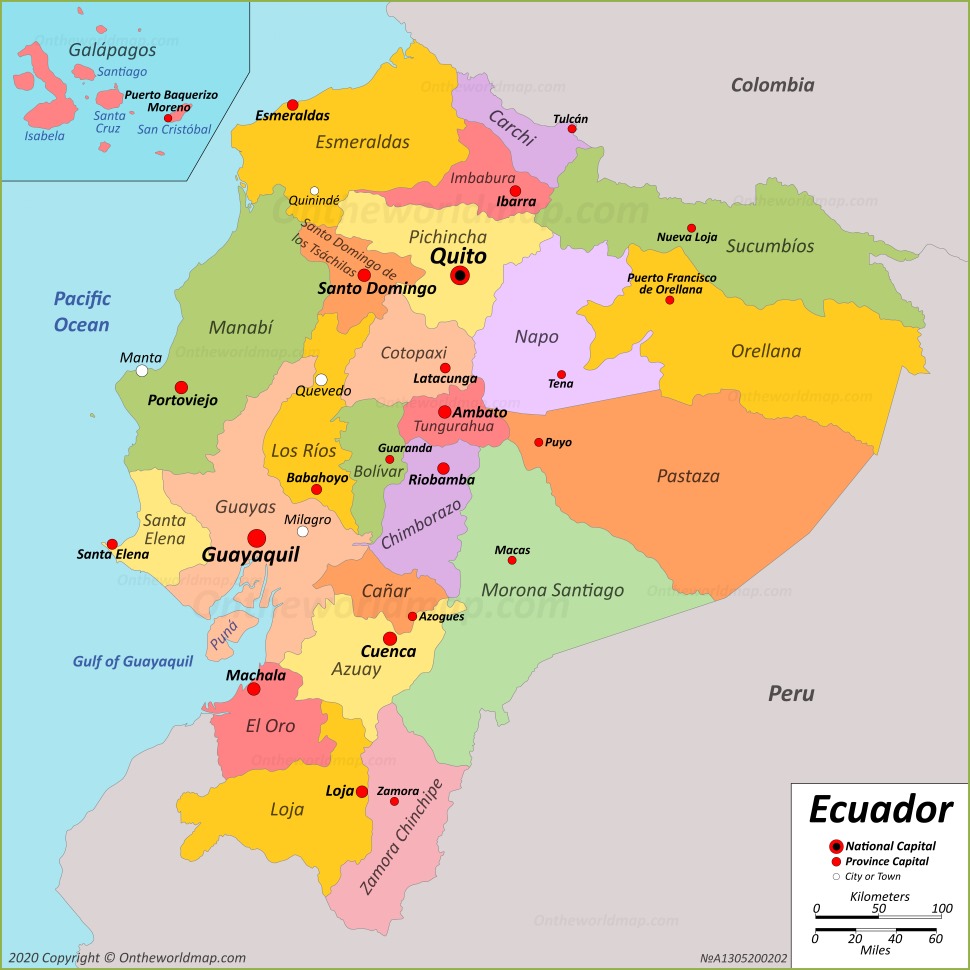
Ecuador current problems in May 2026 center on record-high violence with homicide rates reaching 50 per 100,000 in coastal areas, economic slowdown projected at 2.4% GDP growth amid corruption scandals like the April CNEL raids, collapsing public health system operating at 45% capacity, widespread protests against President Daniel Noboa's policies, and entrenched poverty affecting 38% of the population.
Escalating Gang Violence
Organized crime has driven Ecuador's homicide rate to unprecedented levels, with 50 deaths per 100,000 inhabitants in high-risk coastal provinces like Guayas in 2025, marking the most violent year in history. President Noboa declared an "internal armed conflict" in January 2024, leading to militarized streets and prisons, but violence persists with 504 child homicides aged 10-19 from January to June 2025 alone, up 68%. What people aren't told is the surge in security force abuses, including extrajudicial killings and enforced disappearances of children, as ruled by courts in October 2025.

- Drug cartels control ports for cocaine exports to Europe and the US, fueling turf wars.
- Prison riots have killed hundreds since 2018, with no end in sight.
- Extortion by armed groups targets civilians, deterring investments.
- FBI opened an office in March 2026 to probe organized crime and money laundering.
Economic Downturn Hidden
Ecuador's economy faces deceleration, with CEPAL slashing 2026 GDP growth forecast to 2.4% from 3.7% in 2025 due to external pressures and domestic credibility shocks from CNEL corruption raids on April 28, 2026. Unemployment hovers at 2.9%, but precarious employment jumped to 34.8% and informality to 56.3% by March 2026, with average incomes dropping $46.60 to $429.50 monthly. Poverty affects 38% of Ecuadorians, worsened by inequality and IMF-mandated austerity.
| Indicator | 2025 | 2026 Projection | Change |
|---|---|---|---|
| GDP Growth (%) | 3.7 | 2.4 | -1.3 pts |
| Avg. Monthly Income (USD) | 476 | 429.50 | -46.60 |
| Precarious Employment (%) | 29.7 | 34.8 | +5.1 pts |
| Informal Employment (%) | 55.5 | 56.3 | +0.8 pts |
| Homicide Rate (per 100k) | 50.91 | Ongoing rise | N/A |
"Ecuador's reform-momentum trajectory just hit a structural inflection point," notes The Rio Times on the CNEL scandal's macro impact.
Health System Collapse
The public health system is in crisis, with hospitals at 45% resource capacity, slashing daily surgeries from 60 to 20, as warned by the Pichincha Medical Association on February 11, 2026. Shortages of medicines and supplies persist, exacerbated by violence straining services and unaddressed structural issues in access to care. Doctors demand an emergency declaration for budget restoration, rejecting acting VP Maria Jose Pinto's alleged harassment.
- Identify shortages: Medicines and basics at critical lows since 2025 strikes.
- Mobilize funds: Urgent health minister appointment needed.
- Address violence impact: Crime diverts resources from healthcare.
- Long-term reform: Tackle inequality affecting rural and minority groups.
Political Tensions and Protests
President Noboa's government weakened after the November 2025 referendum defeat, rejecting US military bases and constitutional changes, faces ongoing protests. Indigenous-led strikes in 2025, following 2019 and 2022 shutdowns, highlight unresolved fuel subsidy and labor policy disputes, with clashes killing one and injuring many by October 2025. As 2026 local elections loom, opposition controls major cities, testing Noboa's new party.
Anti-government rallies in March 2026 opposed FBI presence and US military ops, signaling rising anti-foreign intervention sentiment.
Corruption Scandals Exposed
Corruption erodes institutions, with $2 billion lost annually and scandals like CNEL raids revealing graft in state utilities. Noboa's ties to controversial Judicial Council figures fuel attrition, while historical impunity shields officials. The IMF praises program performance, but credibility shocks hinder recovery.
- CNEL raids: Biggest power sector probe, April 2026.
- Offshore accounts: Guayaquil business class implicated.
- Judicial interference: Threats to Constitutional Court independence.
- FBI collaboration: Targets money laundering ties.
Underreported Humanitarian Crisis
A converging crisis of violence, climate events, and structural woes affects refugees, with shelters over capacity. Poverty rose post-pandemic, with per capita GDP 5% below 2019 levels under austerity. What isn't told: Child victims of security ops and 68% rise in youth homicides signal deepening societal breakdown.
| Key Crisis Metrics | Value | Date/Source |
|---|---|---|
| Homicides (children 10-19) | 504 | Jan-Jun 2025 |
| Poverty Rate | 38% | 2024-2026 |
| Health Capacity | 45% | Feb 2026 |
| Unemployment | 2.9% | Mar 2026 |
"On one side is a president who believes that winning the elections grants him total authority... On the other side is an Indigenous group that has proven to be inflexible," says law professor Far Simon.
Path Forward?
Addressing root causes requires judicial reform, anti-corruption drives, health investments, and dialogue with indigenous groups. Yet, with 2026 elections and persistent violence, experts warn of further tensions without strategic shifts. IMF upgrades to 2.5% GDP offer glimmers, but credibility remains key.
Statistics underscore urgency: From 7.7 homicides per 100k in 2018 to 50.91 in 2025, Ecuador's trajectory demands transparency beyond official narratives.
Key concerns and solutions for Ecuador Current Problems What People Arent Being Told
Is violence under control?
No, despite states of emergency since January 2024, homicides hit records in 2025 with rates at 50.91 per 100,000, driven by cartels.
What caused the economic slowdown?
External tensions, restrictive finance, CNEL corruption, and violence deterring investment slashed GDP forecasts to 2.4% for 2026.
Why is healthcare failing?
Hospitals operate at 45% capacity due to shortages, worsened by violence and budget shortfalls, prompting emergency calls in February 2026.
Will protests escalate in 2026?
Yes, with local elections and unresolved indigenous strikes, following three shutdowns in six years, tensions mirror 2025.
How bad is corruption?
Severe, costing $2B yearly; recent CNEL raids and judicial scandals undermine Noboa's governance.