Ecuador Crime Rate Explained: What Headlines Don't Tell You
The current Ecuador crime rate is characterized by a significant surge in violent deaths, with a national rate reaching 50.6 homicides per 100,000 inhabitants as of December 2025. This statistic, derived from data by the National Police of Ecuador, represents a marked increase driven largely by territorial control disputes and the involvement of organized criminal groups in illicit economies such as drug trafficking and extortion. While these national figures reflect a severe security crisis, the reality for travelers and residents is highly localized, meaning that safety levels vary drastically between specific provinces, cities, and even neighborhoods.
Understanding The Statistical Surge
The escalation of violence in Ecuador is not a random phenomenon but a result of its recent global organized crime integration. Following a brief period of lower homicide rates in the early 2010s, the country has become a strategic hub for international narcotics movement, which has invited fierce competition between gangs like Los Tiguerones and the Chone Killers. This reconfiguration of criminal power has caused homicide numbers to rise from 7,063 in 2024 to 9,161 reported cases in 2025, marking a nearly 30% annual increase in violence that has overwhelmed local security institutions.

When analyzing the data, it is essential to distinguish between general societal violence and targeted criminal activities. The vast majority of homicides-approximately 95.4%-are classified as criminal violence directly linked to the internal disputes of these gangs rather than random acts of aggression against the general public. This explains why the day-to-day experience of the average citizen and tourist in many inland or protected areas remains disconnected from the headlines, though caution remains a baseline requirement for anyone navigating major coastal urban centers.
| Metric | 2024 Value | 2025 Value |
|---|---|---|
| Total Intentional Homicides | 7,063 | 9,161 |
| Homicide Rate (per 100k) | ~39.0 | 50.6 |
| Primary Violence Driver | Territorial Disputes | Organized Crime/Drug Trade |
Geographic Variability In Safety
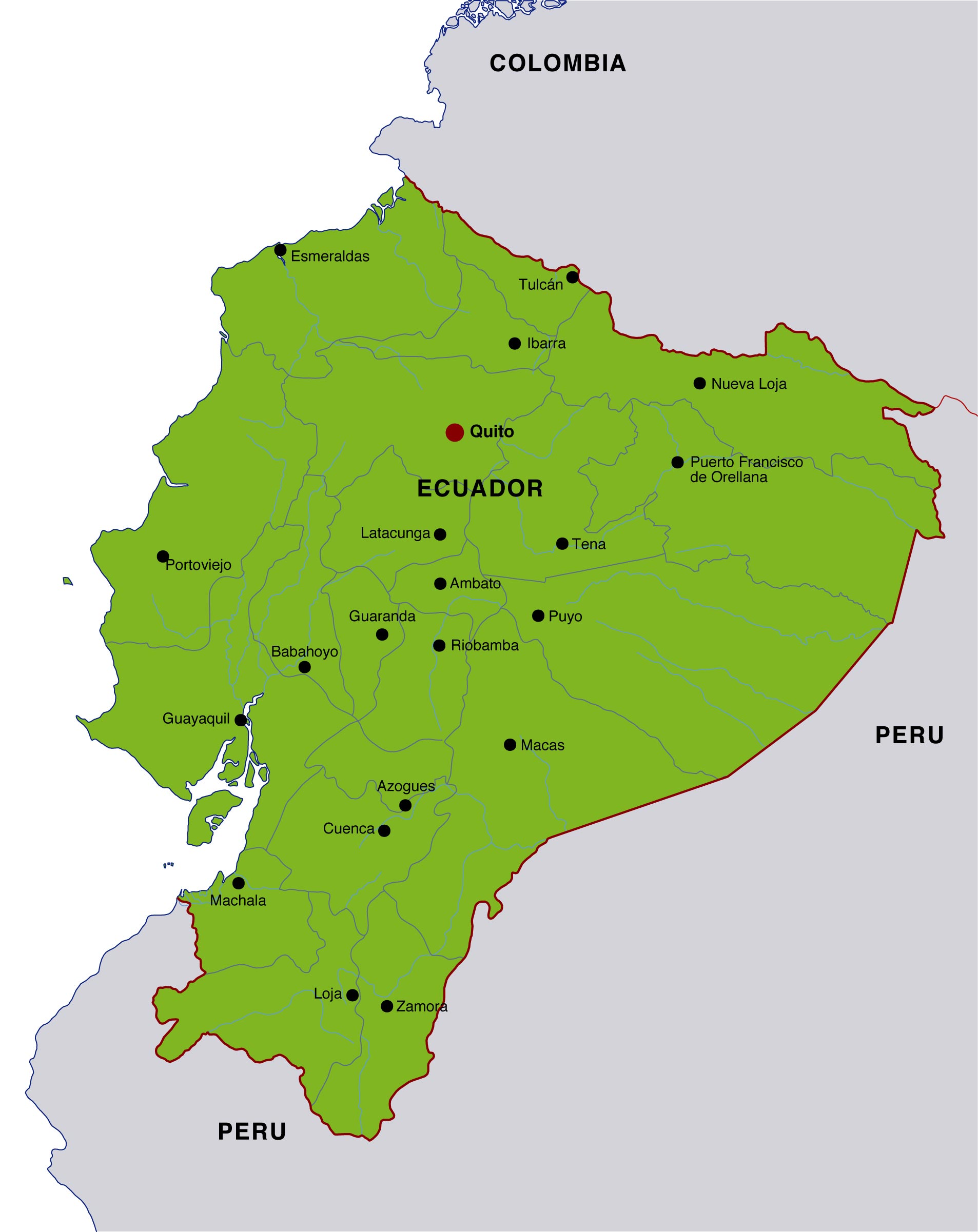
The perception of safety in Ecuador is entirely dependent on your geographic location. While the coast, particularly the Guayas province and cities like Guayaquil and Durán, serves as the epicenter of violent confrontations, other parts of the country remain significantly more stable. For example, the Galápagos Islands maintain safety standards comparable to top-tier global destinations, largely because their insular economy and strict security protocols shield them from the mainland's criminal dynamics.
Inland cities like Cuenca and Baños provide further contrast, as they continue to host large populations of expats and tourists who experience very few instances of violent crime. The following list outlines the relative safety status of key regions within the country:
- Galápagos Islands: Extremely high safety rating, virtually isolated from mainland criminal activity.
- Cuenca and Central Andes: High safety, with robust expat communities and lower rates of violent incidents.
- Quito Metropolitan Area: Mixed; requires vigilance in specific sectors, though core tourist zones remain active.
- Coastal Cities (Guayaquil/Durán): High-risk areas due to port activity and concentrated gang presence.
Frequently Asked Questions
What should tourists do to stay safe?
- Research current travel advisories specifically for the provinces you intend to visit.
- Rely on professional, reputable tour operators for transit and excursions.
- Avoid moving through high-risk urban neighborhoods, particularly after dark.
- Maintain situational awareness and avoid displaying signs of wealth in public.
"The Ecuadorian security crisis represents a structural challenge that goes beyond mere law enforcement, requiring a fundamental shift in how the state manages its borders and maritime access points," notes a security analyst familiar with regional stability trends.
Navigating the current climate requires understanding that the Ecuador crime rate is a multifaceted issue that is not uniform across the nation. By focusing on safe, established hubs and exercising standard safety precautions, international visitors continue to find that the country remains an accessible and rewarding destination. Remaining informed about localized dynamics is the best strategy for any traveler or resident operating within the country today.
Helpful tips and tricks for Ecuador Crime Rate Explained What Headlines Dont Tell You
Is it safe to travel to Ecuador in 2026?
Yes, millions of international visitors traveled to Ecuador in 2025 without incident, and 2026 remains a viable time to visit if travelers prioritize consolidated tourism zones. By avoiding regions with active security warnings, such as the northern border with Colombia and specific high-risk urban sectors, visitors can enjoy the country's offerings safely.
Why did the crime rate increase so suddenly?
The surge is primarily attributed to the criminal reconfiguration of power following the arrests and extraditions of top cartel leaders, which triggered a vacuum of leadership. As various gangs fight for control over illicit drug-trafficking routes and local extortion rackets, the intensity of violence has spiked, particularly in strategic port cities.