Ecuador Cosa Vedere? These Places Feel Unreal
- 01. Ecuador cosa vedere
- 02. Why Ecuador stands out
- 03. Must-see places
- 04. Top itinerary stops
- 05. Destination table
- 06. Quito highlights
- 07. Andes scenery
- 08. Wildlife and islands
- 09. Culture and cities
- 10. Adventure stops
- 11. Sample route
- 12. Practical timing
- 13. Frequently asked questions
- 14. Final planning note
Ecuador cosa vedere
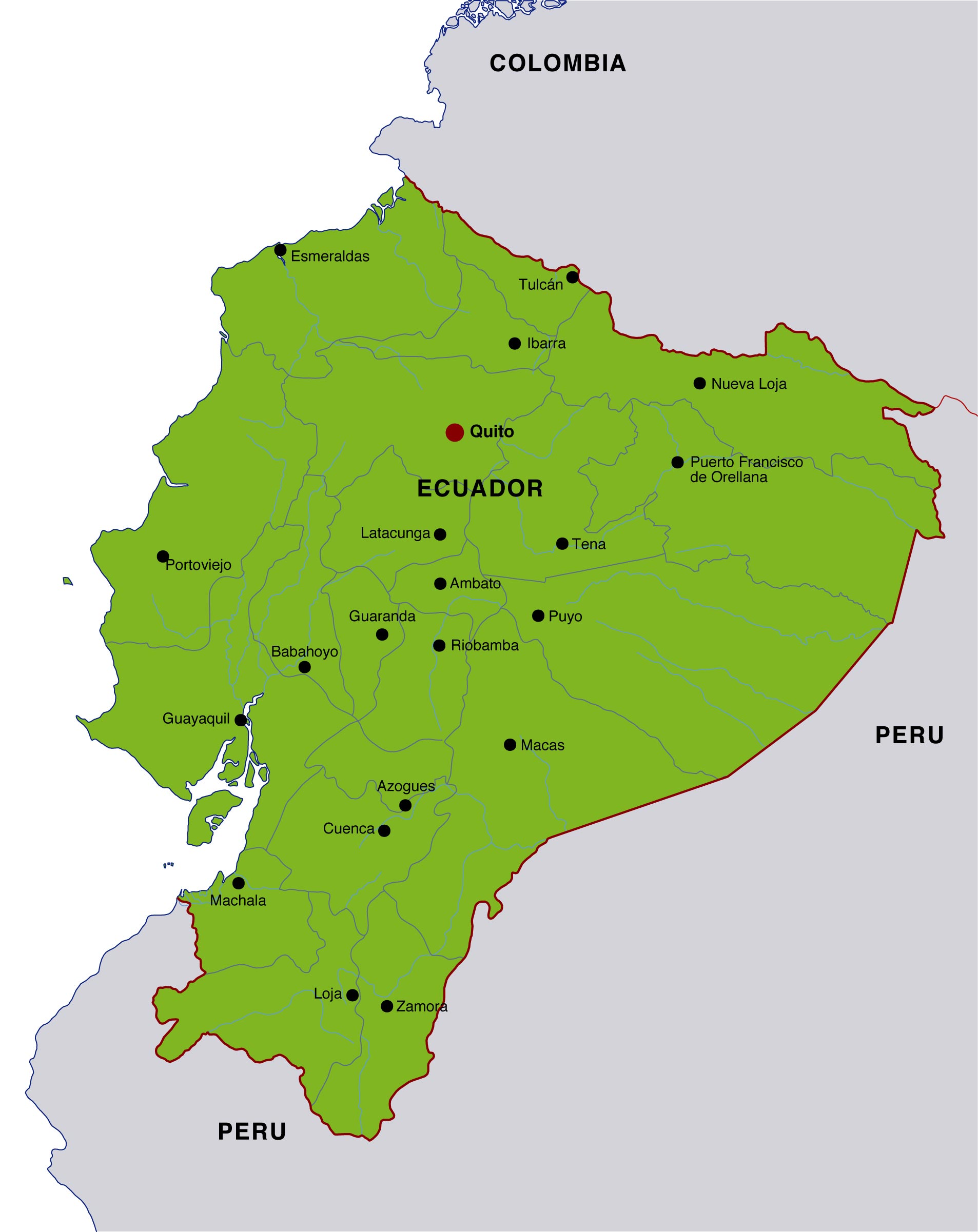
If you are planning a trip to Ecuador, the places most travelers regret missing are Quito's historic center, the Galápagos Islands, Cotopaxi, Quilotoa, Cuenca, Baños, Mindo, and the Amazon around Tena, because they show the country's full range in one itinerary: colonial cities, volcanoes, cloud forest, rainforest, and wildlife-rich islands. The smartest way to see Ecuador is to combine the Andes with either the coast, the Amazon, or the Galápagos so the trip feels complete rather than rushed.
Why Ecuador stands out
Ecuador is unusually compact for a country with so many landscapes, which is why it works so well for a 10- to 21-day trip. Within a relatively short route, you can move from UNESCO-listed colonial streets to high-altitude lagoons, then continue to the rainforest or Pacific coast without needing a complicated multi-country plan.

Travel guides consistently rank the same core highlights, especially Quito, the Galápagos, Cotopaxi, Quilotoa, Cuenca, Mindo, and Baños, because these places deliver the strongest mix of scenery and culture. A practical way to think about things to see in Ecuador is to group them by ecosystem: Andes, coast, Amazon, and islands.
Must-see places
- Quito, for one of the best-preserved colonial centers in South America and easy access to the TelefériQo and nearby volcanic viewpoints.
- Galápagos Islands, for iconic wildlife, volcanic islands, and the country's most distinctive natural experience.
- Cotopaxi National Park, for high-altitude hiking, open páramo landscapes, and a classic cone-shaped volcano.
- Quilotoa, for the dramatic crater lake that is often the single most photographed inland stop in Ecuador.
- Cuenca, for colonial architecture, riverfront walks, and a slower cultural pace than Quito.
- Baños, for waterfalls, hot springs, canyon views, and adventure activities.
- Mindo, for cloud forest, birdwatching, chocolate tours, and a cooler green landscape.
- Tena, for Amazon access, river activities, and forest lodges.
Top itinerary stops
- Quito should be your first stop if you want a strong cultural introduction, because the historic center, churches, plazas, and viewpoints give you immediate context for the country.
- Cotopaxi is the next essential stop for scenery, since the volcano and national park show the high-Andes side of Ecuador at its most cinematic.
- Quilotoa belongs on every first-time route because the crater lake and surrounding villages create one of the most memorable day-trip or overnight detours in the Andes.
- Baños works well as a contrast stop, since you can move from mountain landscapes to waterfalls and thermal baths without losing momentum.
- Cuenca gives the trip depth, because its historic streets and cultural atmosphere feel different from the capital and are often a favorite among travelers.
- Galápagos should be added if budget and time allow, because it is the country's signature destination and the most singular wildlife experience in Ecuador.
Destination table
| Place | Best for | Typical stay | Why travelers remember it |
|---|---|---|---|
| Quito | History, city views, food | 2-3 days | Colonial streets, churches, and mountain scenery |
| Galápagos Islands | Wildlife, nature, island hopping | 4-7 days | Unique animals and volcanic landscapes |
| Cotopaxi | Hiking, photography | 1-2 days | High-altitude volcano views |
| Quilotoa | Scenic trekking | 1 day or 1 night | Bright crater lake and rim trails |
| Cuenca | Culture, architecture | 2-3 days | Elegant old town and relaxed pace |
| Baños | Adventure, waterfalls | 2-3 days | Gateway to active outdoor excursions |
Quito highlights
Quito is one of the best places to start because the city gives you altitude, history, and classic Andean views all at once. Its historic center is the kind of place where churches, plazas, and narrow streets reward slow walking, while the TelefériQo adds a dramatic overlook of the basin and surrounding peaks.
The city is also a useful base for day trips to the Middle of the World area, nearby volcano viewpoints, and markets. For travelers with limited time, Quito is the easiest destination in Ecuador to turn into a concentrated two-day introduction.
Andes scenery
Cotopaxi and Quilotoa are the inland highlights that most travelers say they wish they had spent more time on. Cotopaxi National Park delivers wide-open scenery and high-altitude trekking, while Quilotoa offers a crater lake that changes color with the light and weather.
Rural Andes routes are worth more than a quick photo stop because the villages, market towns, and lodges reveal the daily rhythm of the highlands. This region is especially rewarding if you like hiking, slow travel, and landscapes that feel stark in the morning and magical by sunset.
"The best Ecuador itineraries are the ones that balance altitude, biodiversity, and cultural time in each region."
Wildlife and islands
Galápagos Islands are the most famous answer to what to see in Ecuador, and for good reason. The archipelago is the country's most globally recognized destination, offering close encounters with marine iguanas, sea lions, giant tortoises, and a volcanic coastline unlike anywhere else in Latin America.
Because the islands are so distinctive, many travelers build the rest of the trip around them rather than treating them as an optional add-on. If you are deciding what to prioritize, Galápagos is the one destination that most clearly belongs on a first-time Ecuador bucket list.
Culture and cities
Cuenca is the best stop if you want a city that feels elegant, walkable, and less hectic than Quito. Its old-town streets, riverfront setting, and craft traditions make it ideal for travelers who want a cultural break between mountain and nature experiences.
Otavalo is another high-value stop thanks to its market reputation and indigenous heritage, especially if your route includes northern Andes towns. Travelers often combine Otavalo with lake viewpoints, artisan shopping, and nearby excursions rather than treating it as a one-hour market visit.
Adventure stops
Baños is the country's most versatile adventure base because it combines waterfalls, canyon views, biking routes, rafting, and thermal baths in one compact area. It is especially popular with travelers who want active days without having to relocate constantly.
Mindo is the better choice if your interests lean toward birdwatching, cloud forest, and food-focused stops like cacao and chocolate tours. Many visitors underestimate Mindo, but it is one of the places that best shows how Ecuador shifts from dry highlands to lush humid forest in a short drive.
Sample route
- Spend 2 nights in Quito to adjust to altitude and see the historic center.
- Move to Cotopaxi for 1 night and add a short hike or horseback ride.
- Continue to Quilotoa for a scenic crater-lake day or overnight.
- Stay 2 nights in Baños for waterfalls and adventure activities.
- Add 2 nights in Cuenca for culture and architecture.
- Finish with 3 to 5 nights in the Galápagos if your budget and schedule allow.
Practical timing
Dry season travel is usually easier in the Andes, while weather in the Amazon and on the coast can shift more noticeably by month and elevation. A single Ecuador trip can still be very good outside the ideal season, but you should plan for layered clothing, rain protection, and flexible transport time because conditions change quickly.
For many travelers, the real decision is not whether Ecuador is worth visiting, but how to prioritize it. If your time is short, focus on Quito, Cotopaxi, Quilotoa, and Baños; if you have more time, add Cuenca, Mindo, Tena, and the Galápagos for a far richer picture of the country.
Frequently asked questions
Final planning note
Best approach is to build your route around a few high-impact places rather than trying to see everything. Ecuador is strongest when you leave time for altitude, weather, and slow scenic travel, because that is when the country's variety becomes the main part of the experience.
Key concerns and solutions for Ecuador Cosa Vedere These Places Feel Unreal
What are the best places to see in Ecuador?
The strongest first-time list includes Quito, the Galápagos Islands, Cotopaxi, Quilotoa, Cuenca, Baños, Mindo, and Tena because they cover the country's main landscapes and cultural highlights.
How many days do you need in Ecuador?
Ten days is enough for a good Andes-focused trip, while two to three weeks lets you include the coast, Amazon, or Galápagos without feeling rushed.
Is Ecuador good for first-time travelers?
Yes, because the main highlights are varied, memorable, and relatively easy to combine into a clear route from Quito through the Andes and onward to nature destinations.
What should not be missed in Ecuador?
The most commonly missed but most rewarding stops are the Galápagos Islands, Quito's historic center, Cotopaxi, Quilotoa, and Cuenca, which together define the country's travel identity.
What is the most beautiful place in Ecuador?
That depends on taste, but many travelers name Quilotoa for drama, Galápagos for uniqueness, and Cotopaxi for classic mountain scenery.