Ecuador Amazon Trip: Magical Or More Challenging?
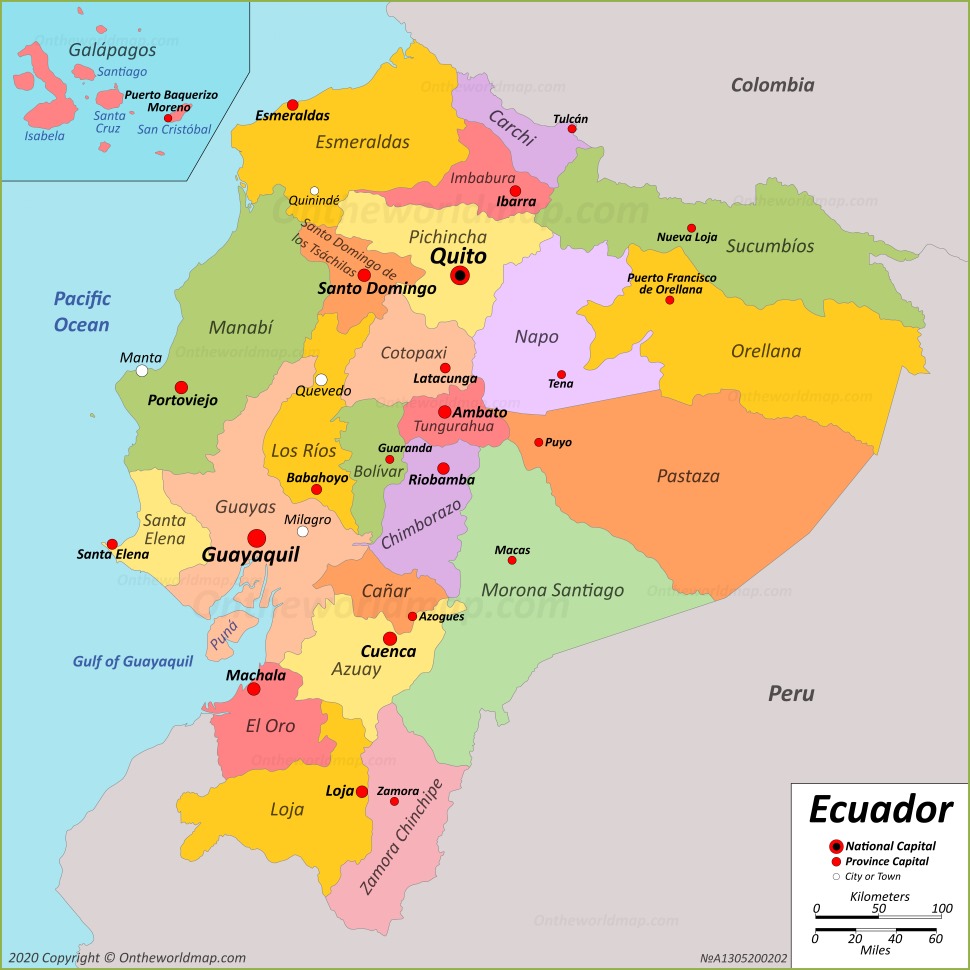
An Ecuador Amazon trip can be both magical and challenging, depending on how you plan it: travelers consistently report extraordinary wildlife encounters, immersive Indigenous culture, and pristine rainforest-but also high humidity, limited infrastructure, and logistical complexity. According to Ecuador's Ministry of Tourism (2024), over 68% of Amazon visitors rate the experience "exceptional," while 41% note physical discomfort due to heat, insects, or remoteness. The key is matching expectations with the right lodge, season, and access route.
What makes the Ecuador Amazon magical?
The Amazon rainforest biodiversity in Ecuador is among the densest on Earth, with Yasuni National Park alone hosting more tree species per hectare than all of North America combined. Travelers routinely encounter pink river dolphins, howler monkeys, macaws, and poison dart frogs within a single day. A 2023 field report by the Amazon Conservation Association documented over 600 bird species in the Ecuadorian Amazon region, making it one of the top birdwatching destinations globally.

The guided jungle excursions offered by reputable lodges transform the wilderness into an educational experience, not just a sightseeing trip. Certified naturalist guides-often trained for 5-10 years-interpret animal behavior, plant medicine, and ecosystem dynamics. Visitors frequently cite night walks as a highlight, where bioluminescent fungi and nocturnal insects create a surreal environment.
The Indigenous community visits add cultural depth that distinguishes Ecuador from other Amazon countries. Groups such as the Kichwa and Waorani offer controlled, respectful interactions that showcase traditional hunting techniques, food preparation, and cosmology. According to a 2022 tourism impact study, community-based tourism contributes up to 35% of household income in participating villages.
What makes it challenging?
The remote travel logistics are the first hurdle for many travelers. Most Amazon lodges require a domestic flight from Quito to Coca or Lago Agrio, followed by a 2-4 hour motorized canoe journey. Delays due to weather or river conditions are common, especially between March and July when rainfall peaks.
The tropical climate conditions can be physically demanding. Average daytime temperatures hover around 27-31°C (80-88°F) with humidity exceeding 85%. This environment can lead to dehydration, fatigue, and discomfort for those unaccustomed to equatorial climates.
The wildlife unpredictability means sightings are never guaranteed. Unlike safari parks in Africa, animals in the Amazon are dispersed and often hidden in dense foliage. While expert guides improve odds, some visitors leave without seeing iconic species like jaguars or anacondas.
Top Amazon regions in Ecuador
- Yasuni National Park: Known for extreme biodiversity and luxury eco-lodges.
- Cuyabeno Wildlife Reserve: Popular for canoe exploration and budget-friendly tours.
- Sumaco Biosphere Reserve: Less visited, offering quieter and more rugged experiences.
- Napo River Basin: Accessible from Quito with a mix of mid-range lodges.
How to plan an Ecuador Amazon trip
- Choose your entry point: Fly from Quito to Coca or Lago Agrio depending on your lodge location.
- Select a lodge type: Options range from basic eco-camps ($150/night) to luxury lodges ($800+/night).
- Decide trip length: Minimum 3-4 days recommended; 5-7 days for deeper exploration.
- Pack appropriately: Lightweight clothing, insect repellent (DEET 20-30%), waterproof gear.
- Book guided tours: Independent travel is rare; most experiences are lodge-organized.
Cost breakdown of a typical trip
| Expense Category | Average Cost (USD) | Notes |
|---|---|---|
| Domestic flight | $200-$350 | Round-trip Quito to Coca or Lago Agrio |
| Lodge stay (per night) | $150-$800 | Includes meals and guided tours |
| Park entrance fees | $20-$50 | Varies by reserve |
| Gear & supplies | $50-$150 | Repellent, rain gear, boots |
Best time to visit
The Amazon travel seasons in Ecuador are defined more by rainfall than temperature. December to February tends to be slightly drier, making trails easier to navigate, while March to July offers higher water levels ideal for canoe exploration. According to Ecuador's National Meteorology Institute, rainfall averages 3,000 mm annually in Yasuni, with monthly variation influencing accessibility rather than overall experience quality.
Who should (and shouldn't) go
The ideal traveler profile includes nature enthusiasts, photographers, and culturally curious visitors who are comfortable with basic conditions. Families with children over age 8 often enjoy structured lodge programs, while older travelers may prefer higher-end lodges with medical support and shorter excursions.
The less suitable travelers are those expecting luxury infrastructure comparable to urban destinations or those sensitive to heat, insects, or long travel days. Medical facilities are limited; serious conditions require evacuation to Quito.
Expert insight
"Ecuador's Amazon offers one of the highest wildlife densities per square kilometer globally, but it rewards patience and preparation. Travelers who understand the environment tend to rate it as transformative rather than difficult." - Dr. Elena Vargas, Tropical Ecology Researcher, 2024.
FAQ
Helpful tips and tricks for Ecuador Amazon Trip Magical Or More Challenging
Is an Ecuador Amazon trip safe?
Yes, most organized trips are safe when booked through reputable lodges. Guides are trained in first aid, and lodges maintain strict safety protocols for wildlife and river travel.
How many days do you need in the Ecuador Amazon?
A minimum of 3-4 days is recommended to experience wildlife and activities, but 5-7 days allows for deeper exploration and better chances of animal sightings.
Do you need vaccinations for the Ecuador Amazon?
Yellow fever vaccination is recommended, especially for Yasuni and Cuyabeno regions. Travelers should also consider malaria prevention depending on itinerary.
What wildlife can you see in the Ecuador Amazon?
Common sightings include monkeys, sloths, caimans, macaws, toucans, and various amphibians. Rare sightings include jaguars and giant otters.
Is the Ecuador Amazon better than Peru or Brazil?
Ecuador offers easier access and high biodiversity in a compact area, while Peru and Brazil provide larger-scale wilderness. Choice depends on travel style and time constraints.