Does It Rain In Ecuador? What Locals Know About The Weather
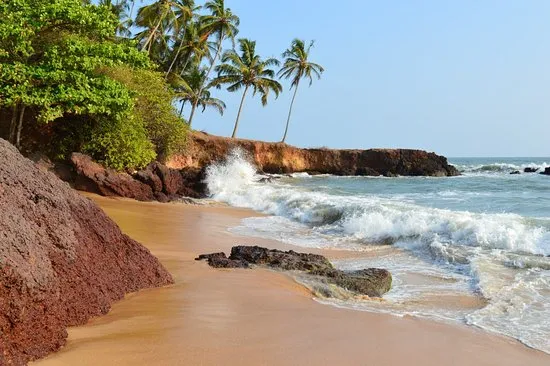
Yes-it rains in Ecuador, but not in the same way everywhere or all year long. The country has sharp regional differences: the coast has a distinct wet season, the Andes see alternating rainy and drier periods, the Amazon is humid and rainy most of the year, and the Galápagos shift between a warmer wet season and a cooler dry season.
How Ecuador's climate works
Ecuador sits on the Equator, which often makes people assume the weather is uniformly hot and rainy, but elevation and ocean currents matter just as much as latitude. In practice, the country is divided into climate zones that behave almost like different countries: the coastal plain, the Andean highlands, the Amazon basin, and the Galápagos Islands. That is why one part of Ecuador can be sunny while another is getting afternoon showers the same day.

A useful rule of thumb is that Ecuador does not have one universal rainy season. Instead, rainfall depends on where you are and how high you are above sea level. In other words, asking whether it rains in Ecuador is a little like asking whether it snows in the United States: the answer is yes, but location changes everything.
Rain by region
The coast, including places like Guayaquil, usually has its wettest months from December to May, with the rest of the year being comparatively drier. The Andean highlands, including Quito and the popular mountain routes, often see rain from about October to May, but showers can still appear outside that window. The Amazon region gets frequent rain throughout the year, and the Galápagos typically have a warmer, wetter period from December to May and a cooler, drier period from June to November.
| Region | Typical rainy pattern | What it feels like | Practical takeaway |
|---|---|---|---|
| Coast | December to May is usually wetter | Warm, humid, with frequent showers | Expect rain gear in the wet season |
| Andes | Often wetter from October to May | Variable weather, sunshine and showers in one day | Layered clothing works best |
| Amazon | Rain falls year-round | Very humid, lush, and often stormy | Plan for rain almost daily |
| Galápagos | Wetter from December to May | Warm with occasional downpours | Pack for sun and brief rain |
What the seasons look like
On the mainland coast, the climate often feels like a classic tropical pattern: a hotter, wetter stretch early in the year and a cooler, drier stretch later in the year. In the Andes, rain tends to arrive in bursts rather than as all-day storms, so mornings may be clear while afternoons become cloudy and wet. In the Amazon, rain is less of a season and more of a constant background condition, which is why trails can be muddy even when the sky briefly clears.
Travelers sometimes describe Ecuador as a place where weather changes faster than plans. That description is not an exaggeration; a morning in Quito can start bright and cool, then turn gray and rainy by early afternoon before clearing again at sunset. The same trip can include sun, mist, drizzle, and heavy rain within a single day.
Why the rain varies so much
Two major forces shape Ecuador's rainfall: the country's steep elevation changes and the Pacific Ocean. The Andes create dramatic microclimates, so air that rises over mountains cools and drops moisture quickly. On the coast, ocean currents and seasonal shifts in the tropical rain belt influence when storms become more frequent.
The result is a country with strong local contrasts. Quito's high altitude produces a cooler mountain climate, while coastal Ecuador is warmer and more humid. The Amazon sits in a completely different moisture regime, where rainforest conditions make rain far more persistent than in the highlands or on the coast.
Best time to visit
The best time to visit depends on what you want to do. For drier beach weather on the coast, June through November is often more comfortable, while December through May is better if you do not mind occasional showers and hotter conditions. For trekking in the Andes, many travelers prefer the drier months, but mountain weather can still shift suddenly.
- Choose the coast if you want warmer beach weather and can handle seasonal rain.
- Choose the Andes if you want cooler temperatures and can pack for fast-changing conditions.
- Choose the Amazon if you want rainforest scenery and do not mind near-constant moisture.
- Choose the Galápagos if you want mild weather, with either wetter warmth or cooler dryness depending on the month.
If your trip spans multiple regions, expect to pack for several climates at once. A traveler going from Cuenca to the Amazon and then to the coast may need a light jacket, rain shell, and breathable clothing in the same suitcase.
What rainfall means for travelers
Rain in Ecuador usually does not ruin a trip, but it can affect timing, road conditions, and trail quality. In the Andes, afternoon showers can delay hikes or obscure mountain views, while in the Amazon, rain can make boat transfers and jungle paths slower. On the coast, rain may be heavy but short-lived, especially during the wetter months.
Smart planning matters more than chasing a perfect weather forecast. The most useful approach is to match your itinerary to Ecuador's climate zones and leave room for flexibility. That is especially important if you want clear volcano views, wildlife tours, or multi-day trekking, because rain can come and go quickly.
Common rainfall patterns
Ecuador's rainfall can be summarized in a few practical patterns that travelers notice immediately. Coastal rain is often seasonal, Andean rain is often afternoon-based, Amazon rain is often frequent, and Galápagos rain is often tied to a warm season rather than a constant downpour. These patterns are general, but they are reliable enough to help with trip planning.
- Coast: wetter from December to May.
- Andes: wetter from roughly October to May.
- Amazon: rain throughout the year.
- Galápagos: warmer and wetter from December to May.
These are not rigid rules, but they are the most practical way to think about Ecuador's weather. Even during a drier month, localized showers can still happen, especially in mountain terrain. That is why locals and experienced travelers often plan around the possibility of rain instead of assuming it will stay dry.
Historical weather context
Ecuador's weather is also shaped by broader Pacific climate events, especially El Niño and La Niña. During El Niño years, parts of the coast can become notably wetter than usual, which has historically affected roads, agriculture, and river levels. During cooler or drier phases, some regions may see less intense rainfall, but the overall regional pattern remains the same.
"In Ecuador, rain is not a simple yes-or-no question; it is a map question."
That idea captures the country well because the same calendar month can mean very different weather depending on whether you are in Quito, Mindo, Cuenca, the Amazon, or the Galápagos. For anyone traveling or relocating there, rainfall is best understood as a regional feature, not a national constant. The climate is varied, but it is also predictable once you know the zone you are entering.
Practical packing tips
Pack for layered weather rather than a single forecast, because Ecuador can shift from warm sun to cold rain in a short time. In mountain areas, a waterproof shell is more useful than a heavy coat, while in the Amazon, breathable clothing matters as much as rain protection. On the coast, lightweight clothes plus rain protection is the best combination during wetter months.
If you only remember one thing, remember this: Ecuador does rain, but the experience changes dramatically by region and season. Once you understand that structure, the country becomes much easier to plan for and much more enjoyable to visit.
What are the most common questions about Does It Rain In Ecuador What Locals Know About The Weather?
Is Ecuador rainy all year?
No, Ecuador is not rainy all year everywhere, but some regions are wet year-round. The Amazon gets frequent rain across the calendar, while the coast and Andes have clearer wet and dry seasons.
What months are the rainiest in Ecuador?
On the coast, the rainiest stretch is usually December through May, while the Andes often see more rain from about October through May. The Amazon does not have a sharply defined dry season in the same way.
Does it rain in Quito?
Yes, Quito gets rain, especially in the wetter parts of the year, and showers can arrive quickly because of the city's elevation. Even when it is not raining, clouds and mist are common in the surrounding mountains.
Is Ecuador worth visiting during the rainy season?
Yes, because "rainy season" in Ecuador usually means periodic showers rather than nonstop storms in many places. The key is to choose activities and regions that fit the season, such as city sightseeing, flexible day trips, or rainforest travel.
Do I need rain gear in Ecuador?
Yes, a light rain jacket or compact umbrella is a good idea almost anywhere in Ecuador. In the Andes and Amazon, waterproof footwear and quick-dry clothing can make a big difference.