Contrarian Angle: Why Ecuador Language Words Beat Rote Phrases
- 01. The linguistic landscape of Ecuador
- 02. Common Ecuador language words and meanings
- 03. Indigenous language influence on vocabulary
- 04. What Ecuadorian words reveal about culture
- 05. Regional slang differences
- 06. Language and identity in modern Ecuador
- 07. Practical tips for understanding Ecuadorian words
- 08. FAQ: Ecuador language words
Ecuador language words reflect a rich blend of Spanish, Indigenous languages like Kichwa, and regional slang, revealing how history, geography, and identity shape everyday communication. From commonly used expressions such as "ñañito" (little sibling) to Indigenous-rooted terms like "guagua" (child), these words provide direct insight into Ecuador's multicultural society and social values.
The linguistic landscape of Ecuador
Ecuador officially recognizes Spanish as its primary language, but more than 13 Indigenous languages are still spoken, with Kichwa influence being the most widespread. According to Ecuador's National Institute of Statistics (INEC, 2022), approximately 7.4% of the population speaks an Indigenous language at home. These linguistic layers coexist, shaping a vocabulary that blends colonial history with pre-Columbian heritage.

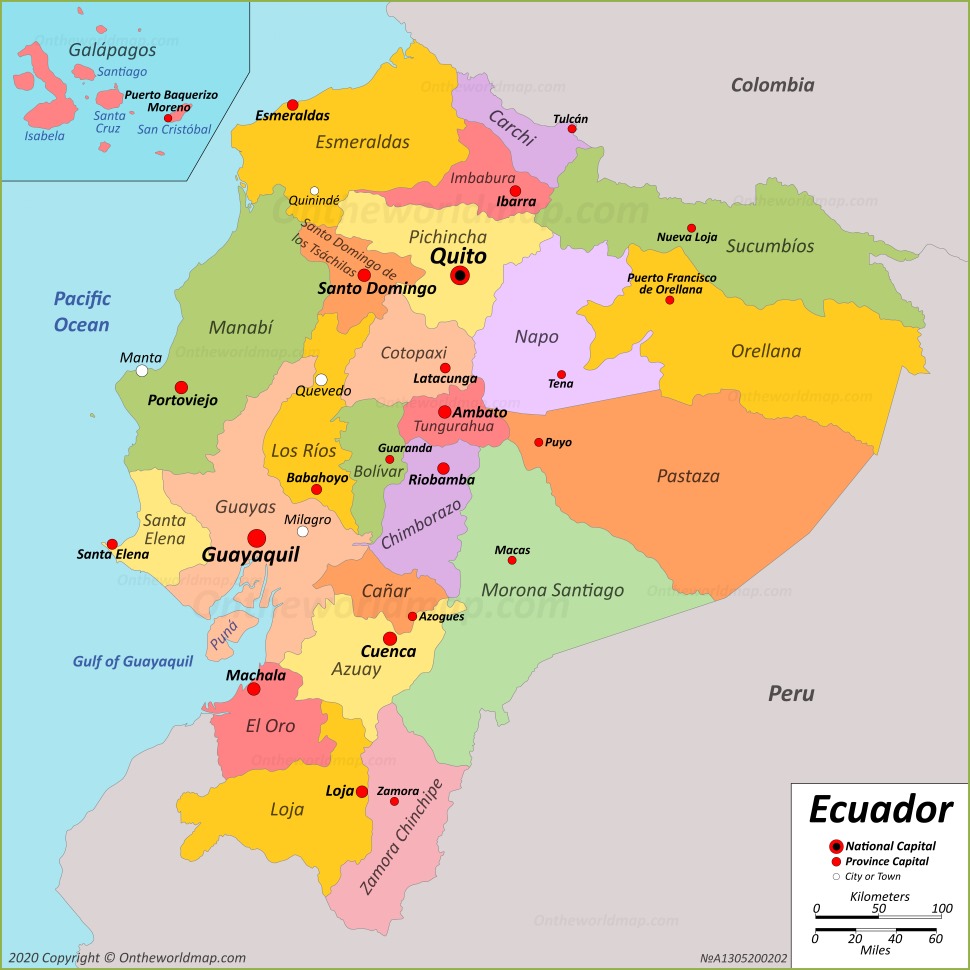
The Spanish spoken in Ecuador differs regionally, especially between the Andes, the coast, and the Amazon, where regional dialect variation creates unique vocabularies. Coastal slang tends to be faster and more informal, while Andean Spanish retains more Indigenous loanwords. This diversity makes Ecuadorian Spanish one of the most culturally expressive in Latin America.
Common Ecuador language words and meanings
Many everyday words in Ecuador carry cultural significance beyond their literal meaning. These expressions often reflect family structures, humor, and social relationships tied to local cultural identity.
- Guagua - Child or baby (from Kichwa).
- Ñaño/Ñaña - Brother or sister; also used affectionately for close friends.
- Chévere - Cool or great (widely used across Latin America).
- Achachay - Expression for feeling cold (Kichwa origin).
- Arrarray - Expression for heat or burning sensation.
- Chuchaqui - Hangover; widely used in social contexts.
- Longo/Longa - Traditionally refers to Indigenous youth; context-sensitive and sometimes controversial.
- Plata - Money; informal everyday term.
- Camello - Work or job, especially hard labor.
These words illustrate how Ecuadorians embed emotional nuance and social context into language, reinforcing community-centered communication patterns that differ from more formal Spanish norms.
Indigenous language influence on vocabulary
Kichwa, derived from the Quechua language family, has significantly shaped Ecuadorian Spanish, particularly in rural and Andean regions where Indigenous linguistic heritage remains strong. Linguists estimate that hundreds of commonly used words in Ecuadorian Spanish have Indigenous origins, many of which describe nature, family, and daily life.
For example, words like "pamba" (field), "mishki" (sweet), and "chakra" (farm) reflect agricultural traditions rooted in Andean agricultural practices. These terms are not just linguistic artifacts-they are tied to centuries-old systems of land use and communal living.
| Word | Origin | Meaning | Cultural Context |
|---|---|---|---|
| Guagua | Kichwa | Child | Used affectionately in family settings |
| Chakra | Kichwa | Farm/plot | Represents traditional farming systems |
| Achachay | Kichwa | Cold expression | Reflects Andean climate experiences |
| Chuchaqui | Spanish slang | Hangover | Common in urban nightlife culture |
| Ñaño | Kichwa | Sibling/friend | Symbol of close social bonds |
What Ecuadorian words reveal about culture
Ecuador language words highlight values such as family closeness, humor, and resilience, which are central to everyday social interaction. Words like "ñañito" and "mijito" (my child) are used even among adults, reflecting a culture that prioritizes warmth and familiarity over formality.
Expressions also reveal environmental awareness, especially in Indigenous communities where language reflects nature-based worldview. For instance, multiple expressions for weather conditions demonstrate how closely daily life is tied to the natural environment.
"Language in Ecuador is not just communication-it is a living archive of identity, history, and survival," said linguist María Fernanda López in a 2023 Quito language study.
Regional slang differences
Slang varies significantly across Ecuador's regions, shaped by migration patterns, trade, and geography, forming distinct regional speech identities. Coastal cities like Guayaquil use faster-paced slang influenced by Afro-Ecuadorian culture, while Andean cities like Quito retain more traditional and Indigenous-infused vocabulary.
- Coastal slang emphasizes humor and exaggeration; example: "bacán" (awesome).
- Andean speech includes more Kichwa-derived terms and slower pronunciation.
- Amazonian regions incorporate multiple Indigenous languages beyond Kichwa.
- Urban youth slang increasingly blends English loanwords due to globalization.
This variation shows how Ecuador's geography directly influences language evolution, reinforcing cultural regional diversity across the country.
Language and identity in modern Ecuador
Language remains a powerful marker of identity in Ecuador, especially as Indigenous communities advocate for preservation and recognition of linguistic diversity rights. In 2008, Ecuador's constitution officially recognized Kichwa and Shuar as languages of intercultural relations, marking a significant policy shift.
Recent education reforms have expanded bilingual schooling programs, reaching over 120,000 students by 2024, according to the Ministry of Education. These programs aim to preserve cultural linguistic continuity while integrating students into a Spanish-dominant economy.
Practical tips for understanding Ecuadorian words
Travelers and learners can better navigate Ecuadorian Spanish by focusing on context and listening for Indigenous influences within everyday spoken language.
- Learn common Kichwa-derived words to understand local conversations.
- Pay attention to tone and context, as meanings can shift socially.
- Observe regional differences when traveling between cities.
- Engage with locals to learn informal expressions naturally.
Understanding these nuances helps build stronger connections and reveals deeper layers of cultural communication styles.
FAQ: Ecuador language words
Expert answers to Contrarian Angle Why Ecuador Language Words Beat Rote Phrases queries
What language is most spoken in Ecuador?
Spanish is the most widely spoken language in Ecuador, used by over 90% of the population, but Indigenous languages like Kichwa and Shuar are also officially recognized and widely used in certain regions.
What are some unique Ecuadorian words?
Unique Ecuadorian words include "guagua" (child), "chuchaqui" (hangover), "achachay" (expression for cold), and "ñaño" (brother or close friend), many of which reflect Indigenous or regional influences.
Is Kichwa still spoken in Ecuador?
Yes, Kichwa is actively spoken by hundreds of thousands of people, especially in the Andes, and is supported through bilingual education programs and cultural preservation efforts.
Why do Ecuadorians use Indigenous words in Spanish?
Indigenous words remain embedded in Ecuadorian Spanish due to historical continuity, cultural pride, and practical usage, especially in describing nature, family, and traditional practices.
Do Ecuadorian words differ by region?
Yes, vocabulary and slang vary significantly between the coast, Andes, and Amazon regions, reflecting differences in culture, environment, and historical influences.