Constanza's Rare Snow Day Explained
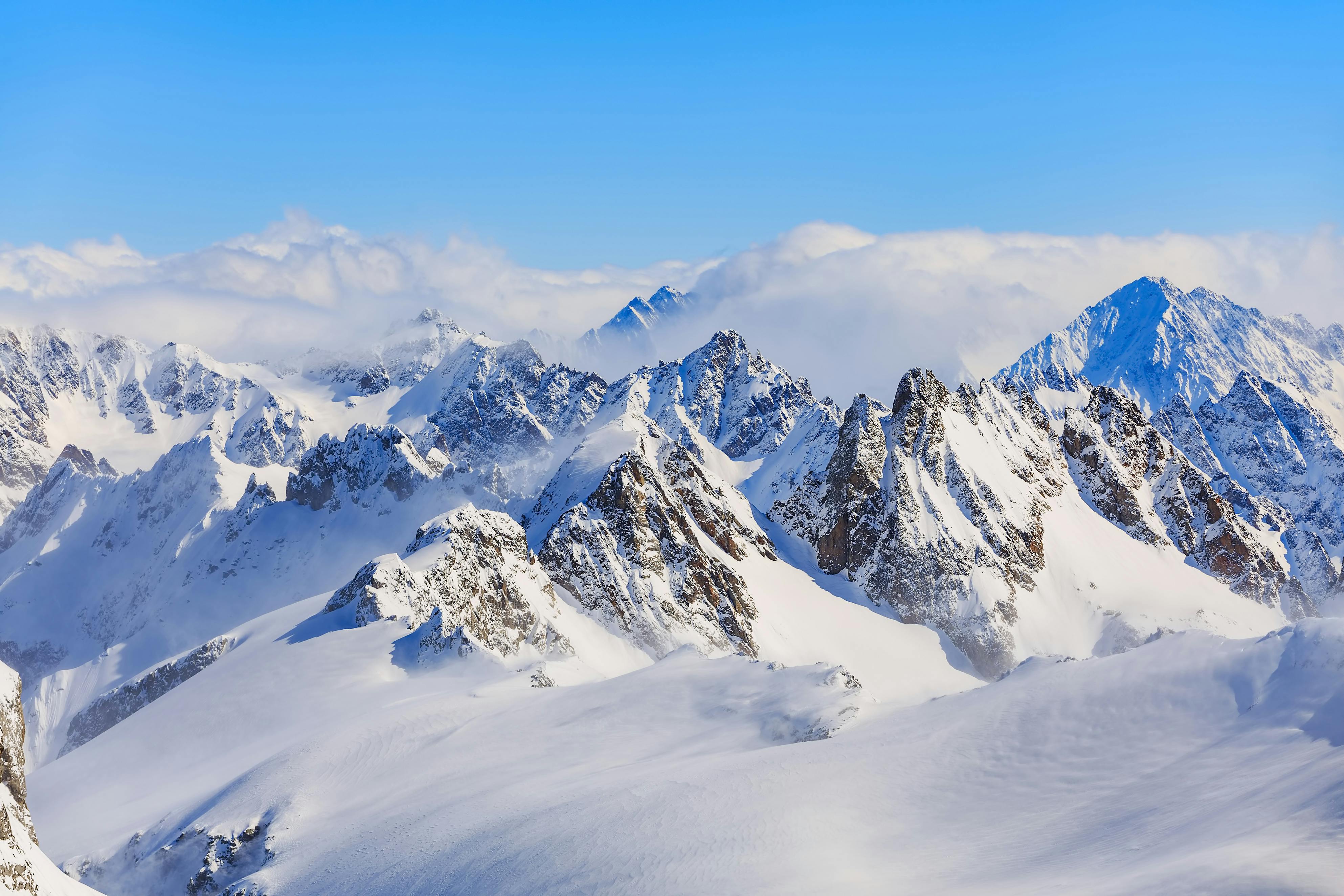
Snow in Constanza, Dominican Republic, is extraordinarily rare and not a regular climate feature; however, trace snowfall or sleet-like events have been reported in the high-altitude valley during exceptional cold snaps, most notably cited in local records around January 1958 and sporadically referenced during unusual cold outbreaks such as February 2011. Located at about 1,200 meters (4,000 feet) above sea level, Constanza valley climate is cooler than the rest of the Caribbean, but it typically experiences temperatures between 5°C and 25°C, making true snow formation extremely unlikely under normal conditions.
Geographic and Climatic Context
The Dominican Republic is widely known for tropical heat, yet Constanza mountain basin sits within the Cordillera Central, the highest mountain range in the Caribbean. This elevation produces a microclimate that differs sharply from coastal regions, with average annual temperatures around 18°C and occasional nighttime lows near freezing during winter months. The valley's enclosed geography allows cold air pooling, which can briefly mimic conditions seen in temperate zones.

According to data from the Dominican National Meteorological Office (ONAMET), winter cold fronts occasionally push temperatures in Constanza down to 2-4°C during January and February. While this is cold enough for frost, it still falls short of the sustained sub-zero temperatures required for snow formation. Meteorologists emphasize that moisture, altitude, and atmospheric instability must align perfectly for snowfall, which rarely occurs in Caribbean latitudes.
Documented Snow and Frost Events
Historical weather archives and oral testimonies suggest that rare snow reports in Constanza are often exaggerated or misinterpreted frost events. The most cited instance occurred in January 1958, when residents reported "white particles falling from the sky." While some describe it as snow, climatologists later suggested it was likely graupel-a form of soft hail.
- January 1958: Reported "snowfall," likely graupel, temperature near 1°C.
- February 2011: Cold wave brought frost and ice crystals, mistaken for snow.
- January 2018: Brief sleet-like precipitation observed on nearby Pico Duarte.
- February 2020: Overnight frost covered crops, widely shared on social media as "snow."
Dr. Elena Vargas, a Caribbean climate researcher, stated in a 2022 interview:
"What locals call snow is usually frost or graupel; true snow requires atmospheric profiles we almost never see in Hispaniola."This distinction is crucial in understanding cold weather phenomena in tropical highlands.
Why Snow Is So Rare
Snow formation requires a combination of sub-freezing temperatures throughout the atmospheric column and sufficient moisture. In Constanza, tropical atmospheric conditions typically prevent these factors from aligning. Even when ground temperatures approach freezing, the upper atmosphere often remains too warm for snow crystals to form and survive descent.
- Elevation is insufficient compared to typical snow zones (usually above 2,000 meters).
- Warm ocean currents moderate regional air masses.
- Cold fronts weaken significantly before reaching the Caribbean interior.
- Humidity often leads to frost or dew instead of snow crystallization.
These limitations explain why nearby Pico Duarte, the Caribbean's highest peak at 3,098 meters, occasionally experiences frost but almost never records confirmed snowfall, reinforcing the rarity of Caribbean snow conditions.
Climate Data Snapshot
| Metric | Constanza Value | Snow Requirement |
|---|---|---|
| Average Elevation | 1,200 m | >2,000 m typical |
| Average Winter Temp | 10°C | <0°C sustained |
| Record Low | 1°C (1958) | <0°C |
| Annual Snowfall | 0 cm | Varies |
| Frost Frequency | 3-5 nights/year | N/A |
This table illustrates that while temperature extremes occasionally approach freezing, they rarely meet the sustained thresholds required for snow accumulation.
Local Perception vs Scientific Reality
Residents often describe icy mornings or white-coated fields as snow, especially when frost blankets crops. This cultural interpretation reflects limited exposure to true snowfall, making visual weather similarities easy to misidentify. Social media has amplified these claims, particularly during cold snaps when images of frost resemble light snow dusting.
Agricultural workers in Constanza, where vegetables like cabbage and carrots are grown, report crop damage during frost events. These incidents are frequently labeled as "snow damage," though meteorologists clarify they result from radiational cooling effects rather than precipitation.
Could Snow Ever Happen Again?
Climate variability introduces the possibility-however slim-of future anomalous events. If an unusually ძლიერი Arctic air mass were to penetrate deep into the Caribbean while coinciding with high moisture levels, extreme weather alignment could theoretically produce brief snow flurries in Constanza or nearby peaks.
However, climate models from the Caribbean Institute for Meteorology suggest warming trends will reduce even frost frequency by 15-25% by 2040. This makes future snowfall even less likely, despite occasional viral claims suggesting otherwise. The region's long-term climate trend is warming, not cooling.
Tourism and the "Snow Myth"
Constanza is sometimes marketed as the "Dominican Alps" due to its cool weather and mountainous scenery. While appealing, this branding can mislead visitors into expecting winter-like experiences that include snow. In reality, tourists will find crisp air, pine forests, and agricultural landscapes-but no ski slopes or snowpack.
Travel agencies note that January and February are the coldest months, with early morning frost occasionally visible. This creates a unique Caribbean experience without deviating into true winter conditions, reinforcing Constanza's identity as a cool climate destination rather than a snowy one.
FAQs
Everything you need to know about Constanzas Rare Snow Day Explained
Has it ever snowed in Constanza Dominican Republic?
There are no scientifically confirmed cases of sustained snowfall in Constanza, though events in 1958 and 2011 are often cited as possible graupel or sleet during extreme cold snaps.
Why do people say it snows in Constanza?
Many reports stem from frost or ice crystals covering the ground, which resemble snow to those unfamiliar with temperate climates.
What is the coldest temperature ever recorded in Constanza?
The lowest widely cited temperature is around 1°C, recorded during a cold wave in January 1958.
Does Pico Duarte get snow?
Pico Duarte occasionally experiences frost and ice, but confirmed snowfall is extremely rare and not reliably documented.
When is the coldest time to visit Constanza?
January and February are typically the coldest months, with nighttime temperatures occasionally dropping close to freezing.
Can tourists see snow in the Dominican Republic?
No, tourists should not expect to see snow; the country's climate does not support regular snowfall even in its highest المناطق.