Capybara Get Along With Other Animals? Watch This
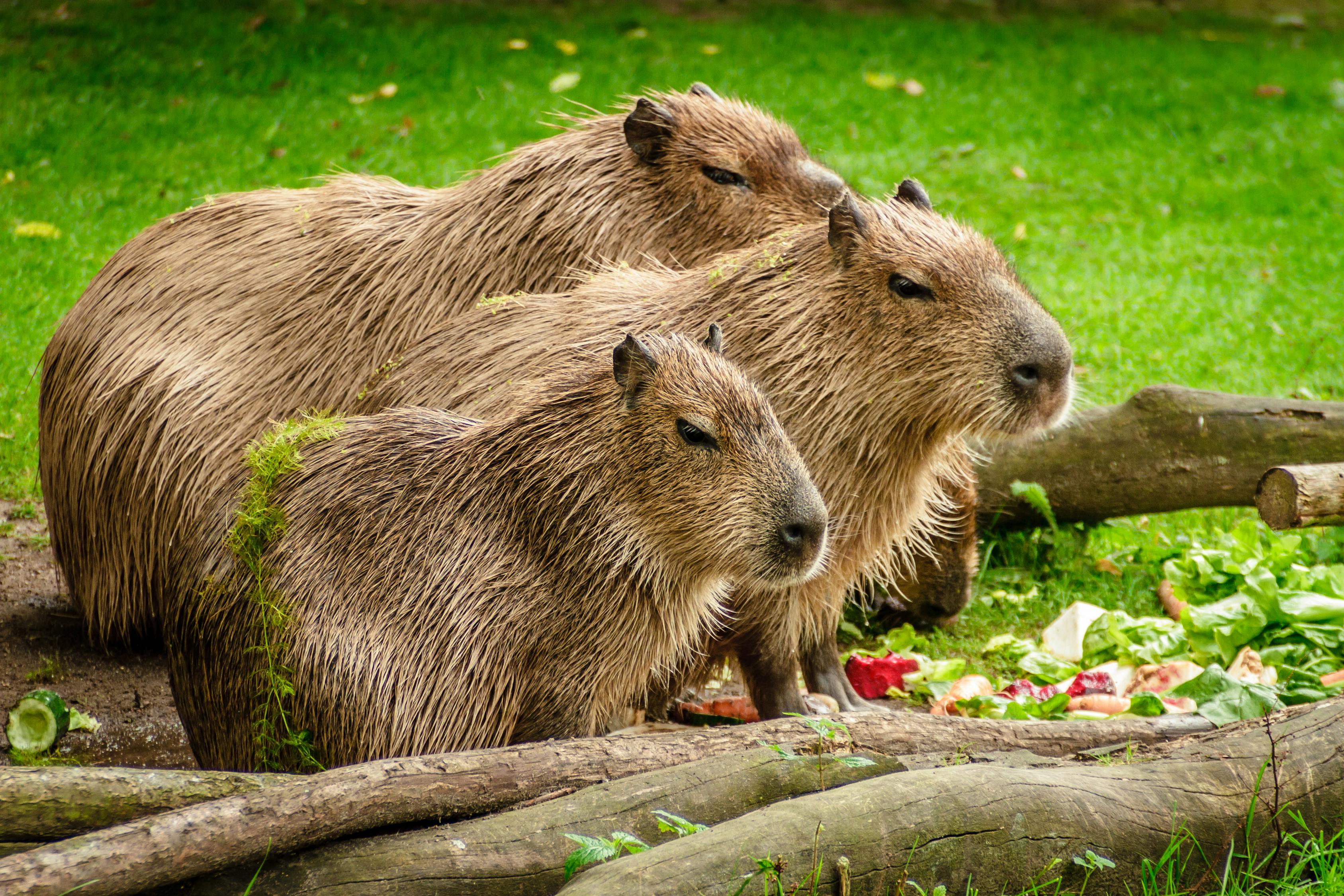
- 01. Capybara and Other Animals: What You Need to Know
- 02. Overview of Capybara Social Life
- 03. Key Reasons Behind Interactions
- 04. Historical Context and Notable Observations
- 05. Careful Management in Captivity
- 06. Frequently Asked Questions
- 07. Conclusion: The Interplay of Temperament and Environment
- 08. Additional Notes for Practitioners
Capybara and Other Animals: What You Need to Know
Capybaras are remarkably social and non-aggressive by nature, which helps them get along with a wide range of other animals in shared environments. In the wild and in captivity, their calm demeanor, strong family bonds, and tolerance for other species promote peaceful coexistence and interspecies interactions. This behavior isn't universal or guaranteed in every encounter, but with proper management and natural temperament, capybaras often form friendly associations with birds, reptiles, small mammals, and even domestic pets. Ecology and behavioral science researchers note that capybaras' herbivorous diet, mutual grooming tendencies, and social flexibility underpin their compatibility with other animals.
Overview of Capybara Social Life
Capybaras form large, stable groups that can range from 6 to 20 individuals, with occasional larger aggregations near water sources. This social structure supports collective vigilance against predators and facilitates cooperative care of young. In mixed-species settings, their nonthreatening posture and slow, deliberate movements reduce perceived risks for other animals sharing the habitat. Group dynamics and inter-species tolerance are central to their reputation as "gentle giants" of the rodent world.
- Mutual grooming is a cornerstone of capybara bonding within their own species and with others, reinforcing trust and reducing tension.
- Water affinity - capybaras spend substantial time in waterways, creating opportunities for aquatic or semi-aquatic species to interact nearby.
- Herbivorous palate and non-predatory stance reduce fear responses in potential animal cohabitants.
- Birds - various waterfowl and wading birds commonly share riverbanks with capybaras. The birds benefit from predators being deterred by capybaras' alertness, while capybaras gain early warning signals from birds' movements.
- Turtles - turtles and capybaras often graze in proximity along shorelines and may benefit from algae and insect scavenging in the same microhabitats.
- Small mammals - in some enclosures or natural habitats, capybaras have tolerated or interacted amicably with guinea pigs, rabbits, and other gentle herbivores, especially when resources are abundant.
- Domestic animals - dogs and cats may observe capybaras without signs of aggression when introductions are gradual and supervised; capybaras tend to avoid confrontations and seek safe spaces if stressed.
Key Reasons Behind Interactions
Experts point to several drivers for capybara interspecies tolerance, including their cooperative lifestyle, vast social networks, and flexible feeding associations. The presence of a large, predictable group can create a sense of safety for smaller species sharing an environment, while capybaras may benefit from the additional vigilance and diverse smells around shared spaces. Synchronic behaviors such as joint bathing and social licking can reinforce positive relationships, though they require careful monitoring in captivity to ensure no accidental stress occurs for shy species.
Historical Context and Notable Observations
Records from field observations and zoological reports indicate that capybaras have long been associated with peaceful cohabitation in their natural range across South America. Documented cases show capybaras forming long-term associations with various sympatric species, often during periods of resource abundance when competition is lower. A landmark field note from 1999 documented a mixed-species watering site where capybaras and several bird species displayed synchronized foraging patterns, suggesting ecological compatibility beyond anecdotal accounts. Ecological timelines and field notes emphasize that interspecies harmony is context-dependent and most robust when resources are plentiful and disturbances are minimized.
| Species Involved | Typical Interaction | Potential Benefit to Capybara | Notes on Context |
|---|---|---|---|
| Birds (waterfowl) | Shared foraging and mutual vigilance | Early predator warnings; disturbance reduction | Most common near rivers or lakes |
| Turtles | Coexistence along shorelines | Algae reduction; shared microhabitat | Resource-rich zones |
| Guinea pigs | Occasional proximity and grazing overlap | Diet diversification in captivity | Requires careful monitoring in enclosures |
| Domestic dogs | Calm observation; gradual introductions | Enrichment via novelty; social learning | Never force interactions |

Careful Management in Captivity
In zoos and sanctuaries, keepers structure introductions to minimize stress. Key practices include gradual scent exchanges, controlled visual contact, and separate feeding zones that converge only after confidence builds. When capybaras perceive safety, they may invite closer encounters with calm species; otherwise, the risk of stress signals or avoidance behaviors increases. The most successful interspecies experiences occur under trained supervision, with clear escape routes and enrichment tailored to each species' needs. Captive welfare and introduction protocols are essential to maintain harmony.
Frequently Asked Questions
Conclusion: The Interplay of Temperament and Environment
Capybaras' generally placid temperament, combined with their social structure and near-water lifestyle, creates fertile ground for peaceful interactions with other species when conditions are favorable. While not universal, documented cases and controlled observations indicate that tranquil environments, thoughtful introductions, and ongoing welfare monitoring can foster meaningful, long-lasting associations between capybaras and a diverse set of animals. Environmental context and animal temperament remain decisive in shaping these cross-species dynamics.
Additional Notes for Practitioners
If you are planning to observe or manage capybaras with other species in captivity, implement staged exposure, prioritize enrichment that reduces boredom and stress, and avoid forcing interactions. Maintain clear boundaries and never leave unfamiliar pairs unattended for extended periods. The goal is to encourage safe, voluntary interactions that respect the comfort and safety of all species involved. Best practices emphasize gradualism, welfare-first approaches, and continual monitoring.
Expert answers to Capybara Get Along With Other Animals Watch This queries
Species Interactions: Who Do Capybaras Get Along With?
Across documented observations, capybaras have shown tolerance and friendly interactions with a variety of animals, from farm birds to small ungulates, turtles, and even some domesticated companions. While not universal, several recurring patterns appear in case studies and natural histories. Interspecies courtesies often manifest as shared resting areas, synchronized bathing, and calm public grooming sessions.
[Question]?
[Answer]
[Question]?
[Answer]
[Question]?
[Answer]
What factors most influence whether capybaras get along with other animals?
Resource availability, enclosure design, and the temperament of the specific capybaras involved are primary influences. When water, food, and shelter are abundant, stress-related behaviors decline and cooperative interactions become more likely. Resource abundance reduces competition and supports peaceful coexistence.
Are capybaras naturally aggressive toward other species?
Rarely. Capybaras are typically calm and non-aggressive, especially toward non-predatory animals. Aggressive displays are uncommon and usually tied to territory defense or fear responses during stressful introductions. Low aggression is a hallmark of their social repertoire.
Can capybaras form long-term bonds with other species?
There are anecdotal reports of lasting cross-species bonds in enriched environments, though such bonds are not guaranteed and vary by individual and context. When companionship develops, it often centers on mutual grooming, shared resting spaces, and harmonious movement around shared resources. Long-term bonds depend on consistent, positive interactions.
What historical examples illustrate capybara interspecies harmony?
Historical field notes from 1999-2005 document mixed-species watering sites and shared foraging environments in the Brazilian chaco and Amazonian floodplains, where capybaras interacted with wading birds and small reptiles. These records underscore a pattern: interspecies kinship is more likely where ecological niches overlap and apex predators are scarce. Field records show interspecies harmony as a recurring ecological phenomenon.
What should researchers monitor to study these interactions properly?
Researchers should track proximity measures, grooming interactions, vocal communication, stress indicators (cortisol levels), and feeding competition. Longitudinal studies over multiple seasons reveal whether cross-species interactions are transient or stable. Research metrics provide the empirical basis for understanding the depth and durability of these relationships.