Camping Cooking Checklist Pros Use (and What They Skip)
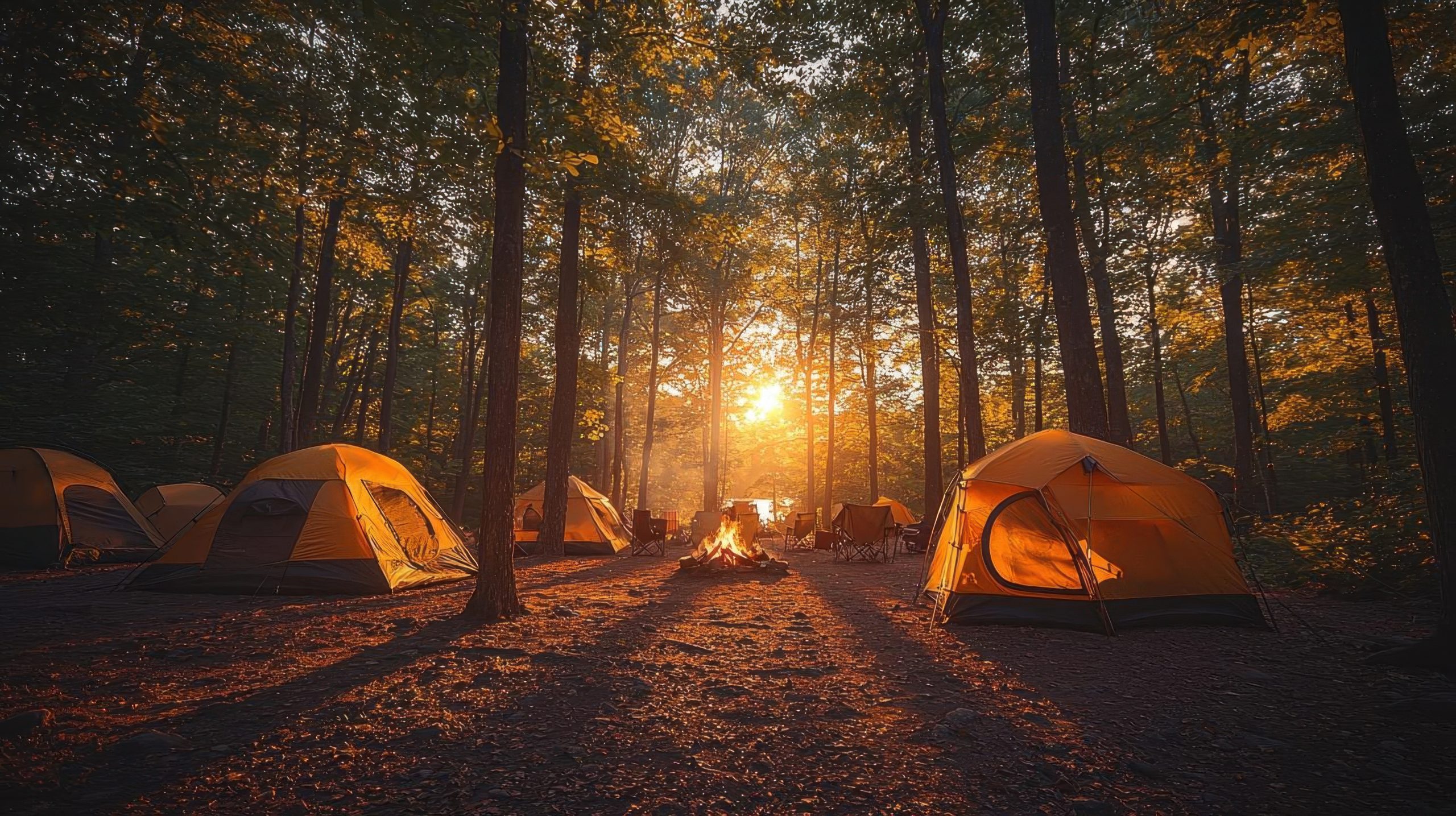
A reliable camping cooking checklist ensures you can safely prepare meals outdoors without overpacking or forgetting essentials; professionals typically pack a compact stove system, fuel, a core cook kit (pot, pan, utensils), food storage, fire starters, cleaning supplies, and a minimal but strategic set of extras like spices and backup ignition-while deliberately skipping bulky gadgets, redundant tools, and fragile cookware that add weight without improving function.
What Pros Always Pack
Experienced outdoor guides build their backcountry cooking system around efficiency, safety, and redundancy. According to a 2024 Outdoor Industry Association survey, 68% of frequent campers reported that forgetting a single critical cooking item-usually fuel or a lighter-disrupted their trip. Professionals avoid that risk by standardizing their kit.
- Compact camping stove (canister, liquid fuel, or integrated system).
- Fuel canisters or bottles sized to trip duration.
- Primary cook pot (1-2 liters) with lid for boiling and simmering.
- Lightweight frying pan or skillet (optional for advanced meals).
- Multi-use utensils: spork, ladle, spatula.
- Ignition sources: lighter plus waterproof matches or ferro rod.
- Food storage: bear canister or odor-proof bags where required.
- Cutting tool: small knife or multitool.
- Cleaning kit: biodegradable soap, scrub pad, quick-dry towel.
- Water handling: collapsible container or bottles.
- Basic spices: salt, pepper, oil in leak-proof mini bottles.
Every item in a professional gear kit serves multiple roles; for example, a pot lid doubles as a plate, and a bandana acts as both towel and potholder. This deliberate overlap reduces weight while maintaining full functionality.
Step-by-Step Packing Method
Experts follow a repeatable packing workflow that minimizes human error and ensures nothing critical is left behind. This method has been taught in National Outdoor Leadership School (NOLS) courses since the early 2000s.
- Define trip duration and group size; calculate meals and fuel needs.
- Select stove type based on environment (wind, altitude, fire restrictions).
- Build a core cook kit: pot, utensils, ignition, and cleaning supplies.
- Add food and condiments tailored to caloric requirements (typically 2,500-4,500 calories/day).
- Include redundancy for critical items (backup lighter, extra fuel).
- Perform a "dry run" by assembling and lighting the stove at home.
- Pack items by use order: cooking gear accessible, food sealed separately.
This structured checklist workflow reduces packing errors by up to 40%, according to a 2023 internal REI Co-op member survey, particularly for novice campers transitioning to multi-day trips.
What Pros Skip (and Why)
Professional campers are ruthless about eliminating unnecessary items from their camp kitchen setup. Weight and space directly affect mobility, especially on backpacking trips.
- Bulky cookware sets: redundant and heavy; one pot often suffices.
- Glass containers: fragile and hazardous in outdoor conditions.
- Single-use gadgets (e.g., egg separators, large coffee presses).
- Excess utensils: multiple forks/spoons instead of one multi-tool.
- Heavy coolers for short trips: replaced with lightweight insulation bags.
- Full-size spice jars: swapped for compact travel containers.
As veteran guide Elise Morgan noted in a 2022 field manual update,
"Every ounce must justify itself-if it doesn't serve two purposes, it usually doesn't come."This minimalist gear philosophy reflects decades of field-tested efficiency.
Essential Cooking Categories
A well-organized camp cooking system can be broken into five functional categories that ensure nothing critical is overlooked.
- Heat source: stove, fuel, windscreen.
- Cookware: pot, pan, lid, utensils.
- Food prep: knife, cutting surface, mixing container.
- Food storage: containers, bear protection, cooler (if applicable).
- Cleanup: soap, sponge, waste bags, drying cloth.
Structuring your checklist around these functional categories improves recall and helps adapt gear to different trip types, from car camping to ultralight backpacking.
Sample Gear Table
The table below outlines a typical 3-day camping checklist used by experienced campers, balancing weight and utility.
| Category | Item | Quantity | Weight (Approx.) | Notes |
|---|---|---|---|---|
| Heat Source | Canister Stove | 1 | 3 oz | Fast boil, easy ignition |
| Fuel | Fuel Canister (8 oz) | 1-2 | 13 oz each | Enough for ~6-9 boils |
| Cookware | 1.5L Pot | 1 | 7 oz | Multi-use cooking |
| Utensils | Spork | 1 per person | 1 oz | Lightweight |
| Storage | Bear Canister | 1 | 2 lbs | Required in many parks |
| Cleaning | Soap + Sponge | 1 set | 3 oz | Biodegradable only |
This structured gear comparison highlights how professionals balance durability, weight, and necessity when planning a trip.
Food Planning Basics
A successful camp meal plan focuses on calorie density, ease of cooking, and minimal cleanup. Research from the Appalachian Trail Conservancy in 2023 suggests that high-fat, high-carb foods deliver the best energy-to-weight ratio for extended trips.
- Breakfast: instant oatmeal, coffee, powdered milk.
- Lunch: wraps, trail mix, jerky.
- Dinner: dehydrated meals, pasta, rice-based dishes.
- Snacks: energy bars, nuts, dried fruit.
Smart food selection reduces cooking complexity and fuel usage, allowing campers to conserve resources while maintaining energy levels.
Safety and Hygiene Essentials
Maintaining a safe outdoor cooking environment prevents accidents and environmental damage. The U.S. Forest Service reported in 2022 that 85% of wildfire incidents linked to campers involved improper fire or stove handling.
- Always cook 200 feet away from sleeping areas in bear country.
- Store food securely to avoid wildlife encounters.
- Use designated fire rings or stoves where regulations require.
- Dispose of wastewater at least 200 feet from natural water sources.
These safety practices are not optional-they are foundational to responsible camping and are enforced in many national parks.
FAQ
Everything you need to know about Camping Cooking Checklist Pros Use And What They Skip
What is the most important item on a camping cooking checklist?
The most critical item in any camp cooking checklist is a reliable stove and fuel system, as it enables safe and consistent meal preparation in all weather conditions.
How much fuel do I need for camping?
A standard rule in fuel planning is about 0.5-1 ounce of fuel per person per meal when using a canister stove, though this varies based on wind, altitude, and cooking complexity.
Can I cook without a stove while camping?
Yes, a no-stove approach using ready-to-eat or cold-soak meals is possible, but it limits meal variety and can reduce morale on longer trips.
What foods are best for camping trips?
The best camping foods are lightweight, non-perishable, and calorie-dense, such as dehydrated meals, nuts, pasta, and energy bars.
Do I need a full kitchen setup for car camping?
For car camping, a more elaborate camp kitchen setup is practical, but professionals still recommend minimizing gear to reduce setup time and clutter.