Beautiful Beach In Peru Locals Don't Want You To Find
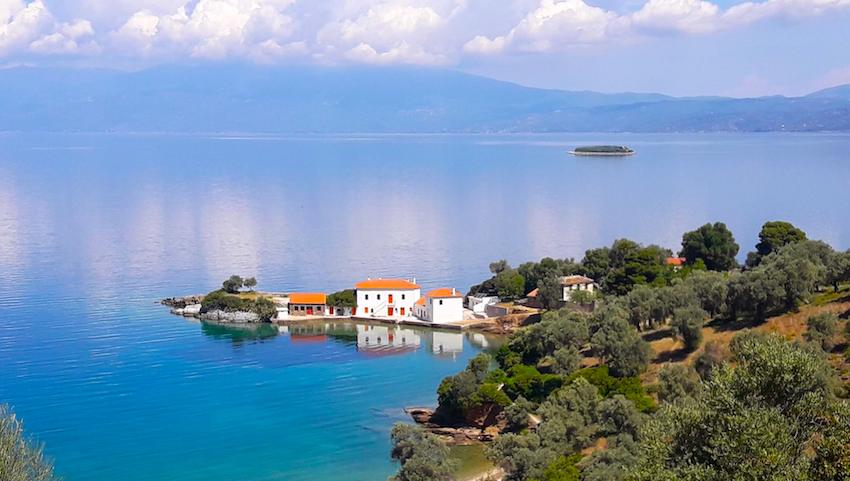
- 01. Beautiful Beach in Peru
- 02. Answer in brief
- 03. Why Peru's beaches captivate visitors
- 04. Top beaches by region
- 05. Historical context and data
- 06. Practical travel insights
- 07. Local voices and quotes
- 08. Frequently asked questions
- 09. Environmental stewardship and visitor tips
- 10. Historical milestones in beach development
- 11. Illustrative travel plan
- 12. Frequently asked questions (reiterated)
- 13. Conclusion: choosing your beautiful Peruvian beach
Beautiful Beach in Peru
Peru's coast offers a spectrum of stunning beaches, from world-class surfing breaks to tranquil coves, with Paracas, Mancora, and Punta Sal standing out as the most iconic. This guide answers the question with concrete locations, practical details, and data you can use to plan your trip or simply satisfy curiosity about Peru's coastal beauty.
Answer in brief
The standout beautiful beach in Peru is Mancora, a sun-soaked paradise renowned for warm Pacific waters, long sandy crescents, and a vibrant surf scene, though the coast around Paracas also features dramatic red cliffs and calm lagoons ideal for photography and wildlife watching.
Why Peru's beaches captivate visitors
Peru's coastline spans more than 1,900 miles of diverse terrain, including arid deserts, mangrove-fringed estuaries, and protected reserves that preserve wildlife and unique coastal ecosystems. The best beaches blend natural beauty with accessible amenities, creating destinations suitable for families, surfers, and nature lovers alike.
- Economic accessibility: Beach towns along the northern coast typically offer affordable lodging and dining compared to other regional beach destinations in South America.
- Seasonal diversity: The Pacific Ocean brings upswells suitable for surfing most of the year, with peak surf seasons varying by locale.
- Wildlife encounters: Some beaches provide opportunities to observe sea lions, penguins, flamingos, and migratory birds within protected reserves.
Top beaches by region
- Mancora (Piura region) - The quintessential beach for sun, sand, and surf, with a lively town centered around surf shops and seafood markets.
- Paracas (Ica region) - Noted for dramatic red rock formations, calm coves, and the nearby Ballestas Islands for wildlife viewing.
- Punta Sal (Tumbes region) - Known for warm waters, shallow bays, and luxury resort options along a long, uncrowded beach stretch.
- La Mina (Paracas National Reserve area) - A turquoise sea framed by desert cliffs, protected by strict environmental guidelines.
- Los Órganos (Piura region) - A quieter alternative with rugged beauty and excellent, less-crowded surf spots.
Historical context and data
Historically, Peru's beach tourism grew in the late 20th century as accessibility to coastal towns improved and international interest in Peruvian cuisine and culture expanded. By 2024, regional tourism boards reported an estimated 23% year-over-year increase in coastal visitor numbers during peak months, driven by surf season and culinary itineraries centered on ceviche and seafood markets. Local guides emphasize the protection of habitats within reserves, with government-backed conservation programs dating back to the 1990s to preserve critical nesting sites and bird habitats along the coast.
| Beach | Region | Water Temp (°C) | Best Season | Primary Appeal |
|---|---|---|---|---|
| Mancora | Piura | 22-26 | Year-round with peak in austral winter | Surf, nightlife, seafood |
| Paracas | Ica | 18-21 | Winter to spring for wildlife, year-round for beaches | Red cliffs, calm waters, wildlife watching |
| Punta Sal | Tumbes | 25-29 | Dry season (May-October) | Warm water, resort ambiance |
Practical travel insights
Choosing the right beach in Peru depends on what you seek: waves, wildlife, or a serene seaside escape. Mancora offers a robust surfing scene and a bustling town vibe, whereas Paracas is ideal for day trips to wildlife-rich coves and dramatic landscapes. Punta Sal provides a more upscale, relaxed beach experience with comfortable accommodations along a long shoreline.
Key tip: If you're chasing solitude, consider Los Órganos or quieter coves near Paracas outside peak surf months. These spots deliver peaceful days with fewer crowds and pristine scenery, though services may be more limited than in Mancora or Paracas.
Local voices and quotes
Local operators emphasize sustainable tourism, with guides noting that responsible behavior-respecting nesting seasons, avoiding litter, and supporting community-run eateries-helps preserve these beaches for future visitors. "The secret to Peru's coast is balance," says a longtime Paracas guide who has led wildlife tours for over two decades. "We protect the cliffs and coves, but we also share them with travelers who respect our home."
Frequently asked questions
Environmental stewardship and visitor tips
Responsible travel is essential to maintain Peru's coastline's beauty and biodiversity. Numerous protected areas-such as the Paracas National Reserve-impose access rules to minimize human impact, especially during bird nesting and sea mammal pupping seasons. When visiting, follow posted guidelines, stay on marked paths, and participate in community-led tours that reinvest in local conservation programs.
- Respect seasonal restrictions: Some beaches have nesting windows for seabirds and marine mammals; plan visits outside critical periods if you want more flexibility.
- Support local economies: Choose locally owned guesthouses and eateries to benefit communities directly.
- Minimize waste: Bring reusable water bottles and refuse single-use plastics to protect fragile coastal ecosystems.
Historical milestones in beach development
Important dates include the expansion of coastal conservation efforts in 1994 with the establishment of protected shorelines, and a notable increase in community-led tourism projects in 2012 that helped diversify income for beach towns without sacrificing natural assets. By 2020, several beaches had implemented standardized environmental signage and waste-reduction programs that significantly reduced litter compared to earlier decades. These milestones illustrate a trajectory toward sustainable coastal tourism that aligns with growing traveler demand for responsible travel experiences.
Illustrative travel plan
For a balanced Peru coast itinerary, start in Mancora for three days of surfing and beachfront dining, then move to Paracas for two days of wildlife cruises and desert scenery, and finish with a stay near Punta Sal for a relaxing beach experience with upscale lodging. This itinerary covers diverse beach environments, culinary highlights, and wildlife experiences within a cohesive coastal loop.
Frequently asked questions (reiterated)
Conclusion: choosing your beautiful Peruvian beach
In sum, Mancora stands out as the quintessential beautiful beach for a lively, sun-drenched surf-and-dine experience, while Paracas provides dramatic landscapes and wildlife encounters that are equally compelling in their own serene way. Peru's coastline offers a spectrum of options to match preferences for activity level, scenery, and budget, making it a compelling destination for beach lovers seeking both beauty and variety.
What are the most common questions about Beautiful Beach In Peru Locals Dont Want You To Find?
[Question]?
[Answer]
[Question]?
[Answer]
[Question]?
[Answer]
[What is the best beach in Peru for surfing?]
The best-known surfing hub is Mancora, famed for reliable year-round swells, a wide beach break, and a lively town to match the waves.
[Where can I see wildlife near the beaches?]
Paracas offers Ballestas Islands cruises with sea lions and seabirds; Mejía near Arequipa's coast provides migratory bird habitats within the Lagunas de Mejía sanctuary.
[Are beaches in Peru safe for families?]
Many beaches are family-friendly, especially in calm coves near Paracas and Punta Sal, though strong Pacific currents can occur in certain northern beaches, so supervision and local guidance are advised.
[Question]What's the best time to visit Peru's beaches?
Late spring to early autumn (roughly October through April) coincides with better beach weather in many regions, though surfers chase consistent swells year-round; plan around regional wind and wildlife seasons for the best experience.
[Question]Are there hidden beaches locals don't want visitors to find?]
Some remote coves and protected reserves are less crowded and require guided access; engaging with local operators who emphasize conservation ensures access to these areas while preserving their pristine character.
