Arenal Region Costa Rica Surprises Even Frequent Travelers
- 01. Arenal region Costa Rica: what guides won't tell you
- 02. Geography, geology, and timing
- 03. What to do: activities and experiences
- 04. Economics, pricing, and visitor planning
- 05. Wildlife, biodiversity, and conservation
- 06. Accommodations: where to stay and why
- 07. Food, culture, and daily life
- 08. Environmental and safety considerations
- 09. Historical context and timeline
- 10. Visual and data-backed snapshot
- 11. Frequently asked questions
- 12. Conclusion: the Arenal region's layered appeal
Arenal region Costa Rica: what guides won't tell you
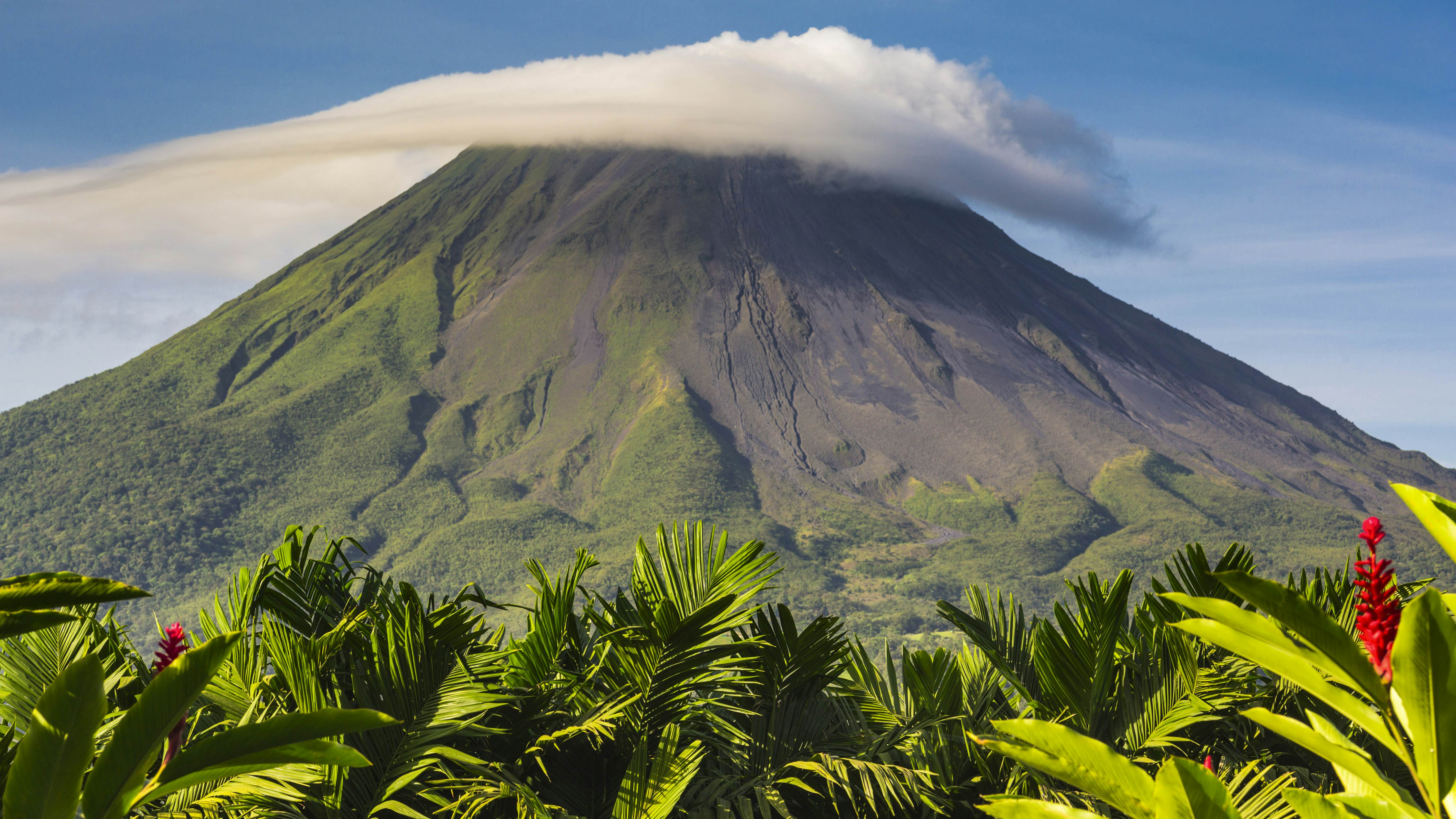
The Arenal region in Costa Rica, centered on La Fortuna and the Arenal Volcano National Park, blends dramatic geology with vibrant biodiversity, climate contrasts, and a craft of sustainable tourism that often goes beyond glossy brochures. This article delivers concrete, data-backed guidance for curious readers seeking a deeper understanding of what guides may overlook, including timing, economics, and local lived experiences. The region's draw-its near-perfect cone and surrounding rainforest-is only part of a broader story about resilience, community, and environmental stewardship that informs every visitor decision.
Geography, geology, and timing
The Arenal region sits in the northern volcanic zone of Costa Rica, where the Arenal Volcano forms a dominant landmark over Lake Arenal, a man-made reservoir created in the 1970s to support hydroelectric power. As of 2025, the area experiences a dry season from December to April and a wet season from May to November, with the shoulder months (May and November) often offering the best balance of trail conditions and wildlife viewing. Arenal's lava history-marking the 1968 eruption and subsequent activity-shapes not only the landscape but local land-use practices and tourism patterns that persist today. Geologic memory in the lava fields informs a cautious approach to hiking and off-trail exploration, as some terrain remains unstable or uneven after eruptions, even when activity is low.
- Visit during the shoulder seasons (May or November) for fewer crowds and usually better weather windows, while still benefiting from green landscapes.
- Plan day trips around Lake Arenal for scenic viewpoints and wind-swept vistas that are often clearer in the early morning.
- Reserve guided hikes in Arenal Volcano National Park to access restricted zones and receive safety briefings about crater rim paths and lava fields.
What to do: activities and experiences
The region offers a mix of adventure, nature, and cultural immersion, with activities designed to appeal to families, solo travelers, and seasoned explorers alike. In practice, the most impactful experiences combine nature with local storytelling, agricultural insights, and sustainable practices that support nearby communities. The following recommendations reflect that blend. Activity variety is matched by careful consideration of safety, conservation, and seasonal conditions.
- Hiking in Arenal Volcano National Park, including viewpoints that showcase the cone's shadow over the rainforest and lava-era landscapes.
- Relaxing in hot springs fed by mineral-rich waters heated by subterranean activity, often integrated into eco-resort facilities that emphasize sustainability.
- Kayaking and zip-lining around Lake Arenal, with guides who can explain how the reservoir shapes microclimates and agricultural zones nearby.
- Birdwatching and wildlife safaris in secondary forests that surround La Fortuna, including sloths, toucans, and rainforest inhabitants.
Economics, pricing, and visitor planning
Costs in the Arenal region vary with season, lodging type, and activity pack. Typical full-day adventure packages average around $120-$190 per person, while mid-range hotels charge $120-$210 per night, depending on amenities and proximity to the park. Local operators increasingly emphasize transparent pricing, with clearly published inclusions such as transportation, park fees, and guide services to reduce surprise charges. In 2024-2025, the region saw a modest 6-9% year-over-year price uptick in guided tours, driven by higher fuel costs and improved service standards. Pricing transparency and value-added inclusions remain decisive factors for travelers weighing a multi-activity itinerary.
Wildlife, biodiversity, and conservation
The Arenal region hosts a mosaic of habitats-from lava fields and tropical rainforest to secondary growth on defunct agricultural lands-supporting diverse species. Birding highlights include toucans and hummingbirds, while mammals such as howler monkeys and sloths appear in forested patches near trails. Conservation efforts focus on preventing habitat fragmentation, promoting responsible tourism, and supporting local reforestation projects. Recent surveys from 2023-2024 indicate a measured upswing in resident bird populations due to habitat restoration efforts in adjacent buffer zones around the national park. Biodiversity indicators confirm that community-led conservation programs are contributing to regional resilience.
Accommodations: where to stay and why
Accommodations in the Arenal region range from rustic eco-lodges and family-run hostels to upscale resorts with on-site hot springs. A common thread across the market is a commitment to sustainability, often evidenced by LEED-style certifications, solar-readiness, and locally sourced food offerings. For visitors prioritizing immersion, staying in La Fortuna or smaller nearby hamlets provides easier access to trailheads and community markets, while lake-view properties near the dam offer tranquil water-based perspectives on daily life around the reservoir. In terms of capacity, the region hosts approximately 1,250 lodging units across all categories, with occupancy rates peaking in the dry season (December-April) at 78-85% on weekends. Local lodging diversity supports varied itineraries-from multi-night nature retreats to short, activity-heavy stays.
Food, culture, and daily life
Regional cuisine centers on fresh produce from farms surrounding La Fortuna and Lake Arenal, with seasonal fruits, beans, and plant-based meals common on menus. Community markets offer a direct channel to growers, enabling visitors to sample regional coffees and cacao varieties that fuel both local economies and sustainable agroforestry initiatives. Cultural interactions-guided by bilingual hosts and local tour operators-often reveal how coffee harvest cycles, farm labor rhythms, and artisanal crafts shape everyday life in the Arenal region. Food culture and hospitality traditions create a warm welcome for travelers while supporting small-scale producers.
Environmental and safety considerations
Travelers should monitor volcanic activity advisories and weather alerts, which can change with rapid atmospheric shifts. Practical safety tips include staying on marked trails, wearing sturdy footwear, carrying water, and respecting wildlife distances. The region's eco-tourism model emphasizes low-impact practices, such as refillable water bottles, minimized plastic use, and waste separation at accommodations. Local guides are trained to provide safety briefings tailored to individual fitness levels and trip lengths. Safety protocols and environmental mindfulness remain foundational to responsible travel in Arenal.
Historical context and timeline
The Arenal region's modern tourist appeal grew out of decades of hydropower development and conservation efforts. The 1968 eruption of the Arenal Volcano reshaped the landscape, catalyzing a network of protected areas and community initiatives that later evolved into a robust ecotourism economy. In the 1980s and 1990s, conservation groups partnered with local communities to promote sustainable development, setting a model that many Costa Rican regions now emulate. By 2025, the region had established formal collaborations between park authorities, private lodges, and indigenous and farming communities to balance conservation with economic opportunity. Historical milestones anchor today's visitor experiences in a broader narrative of resilience and stewardship.
Visual and data-backed snapshot
| Year | Key Event | Implication for Visitors |
|---|---|---|
| 1968 | Eruption of Arenal Volcano | Formation of lava fields and new viewpoints; modern tourism pathways begin |
| 1979 | Lake Arenal created for hydroelectric power | New scenery with reservoir shores; increased recreational options |
| 2015-2024 | Expanded conservation partnerships | Stronger biodiversity protections; higher standard of eco-tourism services |
| 2024 | Seasonal price uptick in tours | Influences budgeting for multi-activity itineraries |
Frequently asked questions
Conclusion: the Arenal region's layered appeal
Beyond the iconic volcano and hot springs, the Arenal region offers a layered, data-informed experience that integrates geology, biodiversity, community livelihoods, and sustainable tourism. The most memorable visits arise from planning that foregrounds safety, ecological mindfulness, and meaningful cultural engagement, rather than chasing surface-level spectacle. As regional institutions and private partners continue to collaborate, visitors can expect more robust conservation outcomes alongside authentic, economically supporting experiences. Regional resilience and sustainable growth remain the guiding principles shaping every itinerary in Arenal.
What are the most common questions about Arenal Region Costa Rica Surprises Even Frequent Travelers?
[What is the best time to visit the Arenal region?]
For a balance of activity options, wildlife visibility, and manageable crowds, shoulder months like May and November are ideal, though the dry season (Dec-Apr) offers the clearest trails and most reliable sunny days for outdoor adventures. Seasonal timing affects both trail conditions and pricing, so plan with flexible activity slots around the weather window you prefer.
[Is Arenal safe for family travel?]
Yes, with appropriate planning. Choose guided, kid-friendly trails, verify park hours, and select accommodations with family-oriented amenities. The region's safety culture emphasizes guided experiences, trail boundaries, and environmental respect, which supports enjoyable family outings. Family-friendly planning reduces risk while maximizing learning and fun.
[What are the top wildlife opportunities near Arenal?]
Birdwatching around secondary forests and along river corridors yields toucans, hummers, and parrots, while mammal sightings include howler monkeys and sloths in canopy observers' zones. The best chances occur early morning or late afternoon, when animal activity peaks and guides can provide context about behavior and habitat relationships. Wildlife viewing hinges on guided access and respectful observation practices.
[How does the Arenal region support local communities?]
Tourism revenues channel into small hotels, family farms, and craft cooperatives, with many operators partnering with nearby communities to offer authentic experiences such as chocolate tastings, coffee tours, and handmade crafts. Transparent pricing and sustainable practices help ensure ongoing economic benefits while preserving cultural heritage. Community-supported tourism sustains livelihoods and preserves local identity.
[What should I pack for an Arenal trip?]
Pack versatile layers for variable weather, waterproof footwear, a reusable water bottle, repellent for insects, and a compact rain shell. A compact daypack with a light first-aid kit, sunscreen, and a hat will support safe, comfortable days exploring trails and viewpoints. Practical packing directly influences comfort and safety in variable tropical conditions.
[Is there a recommended multi-day itinerary?]
Yes. A balanced plan combines: day 1-La Fortuna town stroll and hot springs; day 2-Arenal Volcano National Park hike; day 3-lake-centered activities around Lake Arenal; day 4-cultural and coffee experiences in nearby farms. This structure enables rest days and flexible substitutions for weather. Itinerary flexibility enhances enjoyment and reduces fatigue.
[What are common misconceptions about Arenal?]
One misconception is that the volcano is perpetually erupting; in reality, eruptions are episodic and often limited to minor emission events. Another misperception is that all hot springs are equally developed; in fact, many springs vary in temperature, accessibility, and ecological footprint, so research and booking choices matter for comfort and sustainability. Public perceptions versus on-site realities drive smarter planning.
[How do I choose a responsible operator?]
Look for operators with clear environmental policies, certified guides, and transparent pricing. Prefer those who support local communities through coffee, cacao, or farm visits and who disclose safety protocols and contingency plans for weather or volcanic alerts. Operator selection is central to a responsible and enriching experience.